New Delhi


How Do You Balance a Bike at Low Speed?
Struggling with wobbles in slow traffic or tight parking spots? Here is a practical breakdown of low-speed motorcycle and scooter balancing techniques, covering body positioning, rear brake drag, clutch control and where riders usually go wrong.

Updated Nov 25, 2026, 09:45 AM IST
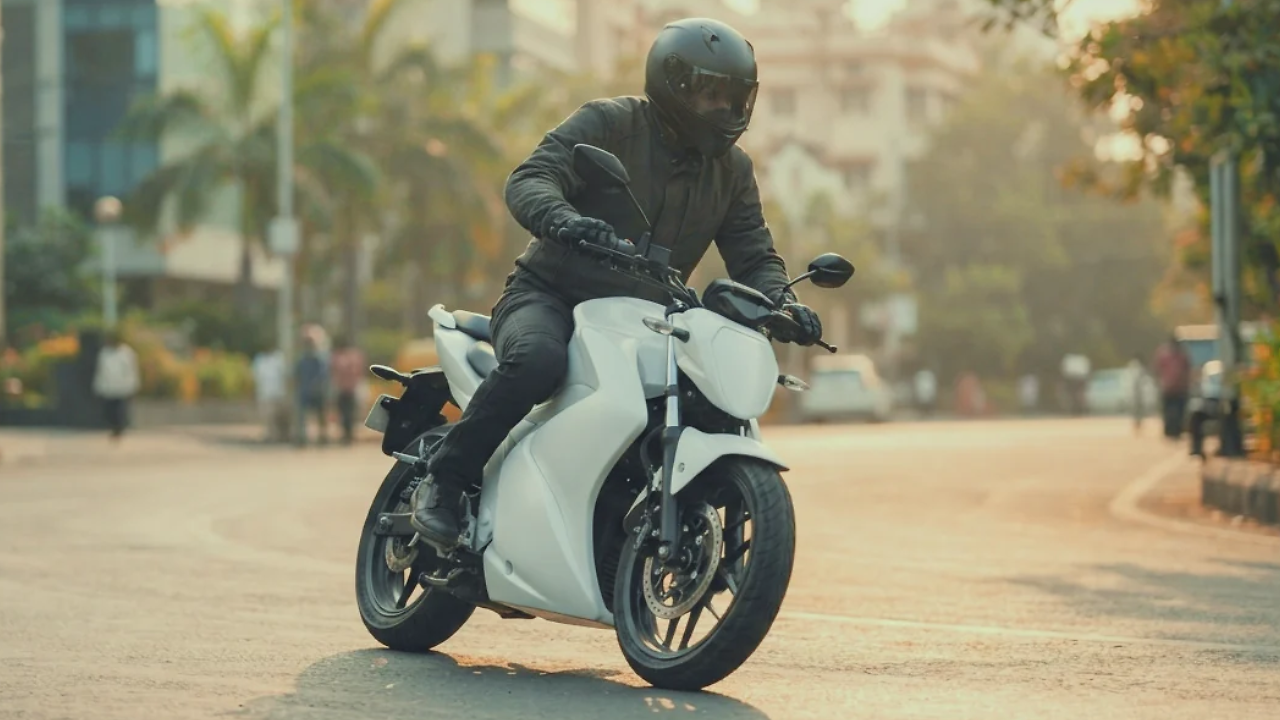
How Do You Balance a Bike at Low Speed? (image for representation only)
Balancing a motorcycle at low speed depends on smooth control inputs, correct body position and looking ahead rather than down at the front wheel. On a geared bike, the rider needs to coordinate the clutch friction zone and a steady throttle, using gentle rear-brake pressure when appropriate. Practise first in a clear, level, closed area with protective gear.
Key Highlights
- Look towards the intended path and keep your head up; staring at the front wheel can affect balance and steering.
- On a geared motorcycle, use a suitable low gear, a steady small throttle opening and controlled clutch engagement through the friction zone.
- A light, progressive application of the rear brake can help regulate speed during slow manoeuvres, but check the owner's manual if the bike has linked or combined brakes.
- Keep your upper body relaxed, elbows slightly bent, knees close to the tank and feet on the footrests while the motorcycle is moving.
- For a tight, slow turn, turn your head towards the exit and allow the motorcycle to lean slightly beneath a more upright body position.
- Practice in stages. Do not attempt tight U-turns or crowded-traffic balancing drills before you can ride slowly in a straight line with control.
How Do You Balance a Bike at Low Speed?
Balancing a motorcycle at low speed depends on smooth control inputs, correct body position and looking ahead rather than down at the front wheel. On a geared bike, the rider needs to coordinate the clutch friction zone and a steady throttle, using gentle rear-brake pressure when appropriate. Practise first in a clear, level, closed area with protective gear.
The basic method is to maintain enough smooth drive to keep the motorcycle moving, regulate that drive with the clutch and throttle, and avoid abrupt steering or braking. At very low speeds, balance becomes more sensitive because the motorcycle has less self-stabilising effect than it does at higher speeds. The rider must therefore make small, coordinated corrections.
On a manual motorcycle, the clutch friction zone is the part of lever travel where engine power begins to reach the rear wheel. Holding the clutch fully disengaged while trying to creep forward removes that fine drive control. Releasing it suddenly can make the motorcycle surge or stall. Use the friction zone only as described in the motorcycle's owner's manual and avoid prolonged slipping that can overheat the clutch.
What Should You Do Before You Begin?
Choose a Safe Practice Area
Use a flat, clean, dry and open paved area away from traffic, pedestrians, parked vehicles, poles and other obstacles. Do not practise low-speed drills in live traffic, on a public road or on a slope. If possible, learn with a qualified motorcycle instructor who can supervise the exercises and correct technique.Wear Protective Equipment and Check the Motorcycle
- Wear a correctly fastened, properly fitting full-face helmet, gloves, a riding jacket, full-length trousers and over-the-ankle riding footwear.
- Check tyre condition and pressure, brakes, throttle return, clutch operation, mirrors and controls before starting.
- Set the mirrors and adjust your seating position so that you can reach the controls without locking your elbows or stretching.
- Read the owner's manual for the correct operation of the clutch, brakes, riding modes and any combined or linked braking system.
What Are the Steps to Follow?
Step 1: Start with a Straight, Walking-Pace Ride
Select first gear, release the clutch smoothly to the friction zone and use a small, steady throttle input. Let the motorcycle move at a controlled walking pace. Keep your head up and look towards a point ahead on your intended path. Keep both feet on the footrests once the motorcycle is moving.Step 2: Keep Your Body Relaxed
Sit naturally with your back reasonably upright, elbows slightly bent and hands holding the grips without excessive tension. Keep your knees close to the fuel tank on a motorcycle with a tank between the legs. Avoid stiff arms, sudden handlebar inputs or shifting your weight abruptly.
Step 3: Coordinate the Clutch and Throttle
Maintain a small, consistent throttle opening and make fine speed adjustments with the clutch friction zone. If the motorcycle begins to slow too much, smoothly restore drive rather than abruptly opening the throttle. If it gathers speed, ease the clutch engagement and reduce the throttle progressively. The aim is smooth movement, not racing the engine.
Step 4: Use the Rear Brake Gently When Appropriate
During supervised slow-speed practice on a manual motorcycle, a light and steady rear-brake input can help regulate the motorcycle's pace while the clutch and throttle maintain controlled drive. Do not stamp on the pedal or allow the rear wheel to skid.
Brake-system layouts differ: linked or combined systems may also apply the front brake, so follow the owner's manual and instructor's guidance. For normal slowing and stopping, use the braking method specified by the manufacturer and practise progressive use of both brakes.
Step 5: Practise Gentle Turns Before Tight Turns
Once you can ride slowly in a straight line, practise broad left and right arcs with plenty of room. Turn your head and look through the turn towards the path you want to follow.
At walking pace, the handlebar is steered towards the intended direction. For a tighter, slow turn, trained riders may counterbalance by keeping the upper body more upright while allowing the motorcycle to lean slightly underneath. Do not force the bike into a deep lean or attempt full-lock turns until an instructor has taught and supervised the technique.
Step 6: Practise Smooth Stops
Finish each exercise by straightening the motorcycle, reducing the throttle and slowing progressively. Bring the bike to a controlled stop using the brakes and clutch as appropriate for its design. Put a foot down only when the motorcycle is almost or fully stopped, rather than dragging a foot along the ground while moving.
Low-Speed Bike Balance: Step-by-Step Guide
| Step | Action | What to check | Safety note |
| 1. Straight ride | Move off smoothly in first gear | Steady walking pace; eyes up | Start in a clear, level area |
| 2. Body position | Relax arms and keep knees close to the tank | Slightly bent elbows; feet on pegs | Avoid stiff arms and sudden shifts |
| 3. Drive control | Coordinate small throttle input and clutch friction zone | No surging or stalling | Do not slip the clutch excessively |
| 4. Speed control | Use gentle rear-brake input where appropriate | Smooth pace; no wheel skid | Check linked-brake layout and manual |
| 5. Gentle turns | Look through broad left and right arcs | Smooth steering and consistent pace | Increase difficulty only with instruction |
| 6. Stop | Straighten and brake progressively | Controlled stop | Do not drag feet while moving |
What Are the Common Mistakes and Safety Risks?
- Looking down at the front wheel: This narrows the rider's view and can lead to abrupt steering. Look ahead and towards the intended path.
- Gripping the handlebar too tightly: Tense arms make smooth steering corrections harder. Keep a relaxed grip and slightly bent elbows.
- Using abrupt throttle or clutch inputs: Sudden drive can make the motorcycle surge, while releasing the clutch too quickly can stall the engine. Make small, progressive adjustments.
- Pulling the clutch fully in and coasting: This removes drive control and can make speed and balance harder to manage. Use the friction zone only when appropriate for the exercise.
- Applying the front brake sharply with the handlebar turned: This can unsettle the motorcycle. Reduce speed before a tight turn and avoid abrupt braking while leaned or at full steering lock.
- Keeping both feet out as stabilisers while moving: A foot can catch on the road or an obstacle. Keep feet on the footrests while moving and put a foot down for a controlled stop.
- Practising on loose gravel, wet paint, sand or uneven surfaces: Reduced grip makes low-speed balance harder. Begin on clean, dry, level pavement.
- Attempting tight U-turns too early: Build up from straight-line control to broad turns, then smaller turns under qualified supervision.
Does the Technique Differ Between a Motorcycle and a Scooter?
Yes. A conventional geared motorcycle has a manual clutch and gear selection, so the rider can use the friction zone to regulate drive at low speed. Most automatic scooters use a CVT transmission and do not have a hand-operated clutch lever.
Scooter riders should use smooth throttle inputs and progressive braking, following the owner's manual for the specific braking system. Do not try to copy clutch techniques on a scooter.
Weight distribution, wheel size, seat height, handlebar steering range, engine response and brake-linkage design also vary between models. A heavy motorcycle, a sport bike and a light commuter may respond differently in a tight space. Practise on the motorcycle you intend to ride and learn its limits gradually.
When Should You Seek Professional Help?
Stop practising and ask a qualified instructor or authorised service centre for help if the motorcycle repeatedly pulls to one side, the steering feels notchy, the throttle does not return smoothly, the clutch slips or grabs, the brakes bind, or the bike feels unstable despite correct tyre pressure and a suitable surface. A mechanical fault should not be treated as a rider-balance problem.
If you are a new rider or are uncomfortable controlling the motorcycle at walking pace, enrol in a structured beginner or refresher course. The Motorcycle Safety Foundation's Basic RiderCourse, for example, includes clutch-friction-zone work, starting and stopping drills, low-speed manoeuvring and limited-space exercises. Seek an equivalent recognised training provider in India.
Frequently Asked Questions (FAQs)
Why Is It Difficult to Balance a Bike at Very Low Speed?
At very low speeds, the motorcycle has less self-stabilising effect, so small changes in steering, throttle, clutch or body position have a greater impact. Looking ahead and making smooth control inputs help the rider maintain direction and pace.
Should I Keep My Feet on the Footrests at Low Speed?
Yes, while the motorcycle is moving, keep your feet on the footrests. Put a foot down as part of a controlled stop. Dragging or extending a foot while moving can cause it to catch on the road or an obstacle.
Should I Use the Rear Brake to Balance a Motorcycle?
A gentle rear-brake input is commonly taught for regulating speed during supervised low-speed manoeuvres on manual motorcycles, in coordination with clutch and throttle control. Brake systems differ, especially on motorcycles with linked or combined braking. Follow the owner's manual and instructor's guidance; do not use this technique as a substitute for normal braking.
Should I Pull the Clutch All the Way In While Riding Slowly?
Not when the exercise requires controlled drive. On a manual motorcycle, the friction zone allows the rider to meter power to the rear wheel. Fully disengaging the clutch removes that drive control. Avoid prolonged clutch slipping and follow the manufacturer's instructions.
How Do I Make a Slow U-Turn Without Losing Balance?
Learn straight-line low-speed control first, then practise broad turns in both directions in a closed, open area with an instructor. Look towards the exit, keep inputs smooth and learn the appropriate counterbalancing technique under supervision. Do not attempt a tight U-turn in traffic before mastering the basics.
Does the Same Low-Speed Balancing Technique Work on a Scooter?
The basic principles of looking ahead, relaxed posture and smooth control apply, but most scooters do not have a manual clutch. Use progressive throttle and braking inputs and follow the scooter's owner's manual. Do not apply geared-motorcycle clutch instructions to an automatic scooter.
Verdict
The safest way to improve low-speed balance is to practise in stages: begin with a straight walking-pace ride, learn smooth clutch-throttle coordination if the motorcycle has a manual clutch, add gentle speed control as taught by an instructor, and progress to broad turns before attempting tighter manoeuvres.
Keep your eyes up, body relaxed and feet on the footrests while moving. Use protective gear, follow the owner's manual and seek professional training rather than practising risky techniques in traffic.
Log in to post a comment.
End of Article
Trending

Which Are the Best Luxury Cars Under Rs 50 Lakh in India?

Renault Car Discounts & Offers: Save up to Rs 1.5 Lakh in November 2026

Hyundai Bayon vs Maruti Suzuki Victoris Spec Comparison: What’s Different?

Hyundai Bayon vs Maruti Suzuki Brezza Spec Comparison: What's Different?
Which Bikes Have a TFT Display Under Rs 2 Lakh?

Which Are the Best Cars Under Rs 30 Lakh in India?

Which Are the Best Cars Under Rs 12 Lakh in India?
Popular





STAY UPDATED Get the latest news from Times Drive