New Delhi


Tesla’s Self-Driving Tech Faces Scrutiny As Ride-Hail Drivers Turn Vehicles Into Robotaxis
Uber and Lyft drivers are increasingly using Tesla's Full Self-Driving (FSD) software to transform their vehicles into makeshift robotaxis. While the software allows for longer working hours, concerns are rising over its safety and regulatory gaps, especially following a crash in Las Vegas involving a Tesla on FSD.

Keshav Rajput
Updated Oct 4, 2024, 09:29 AM IST
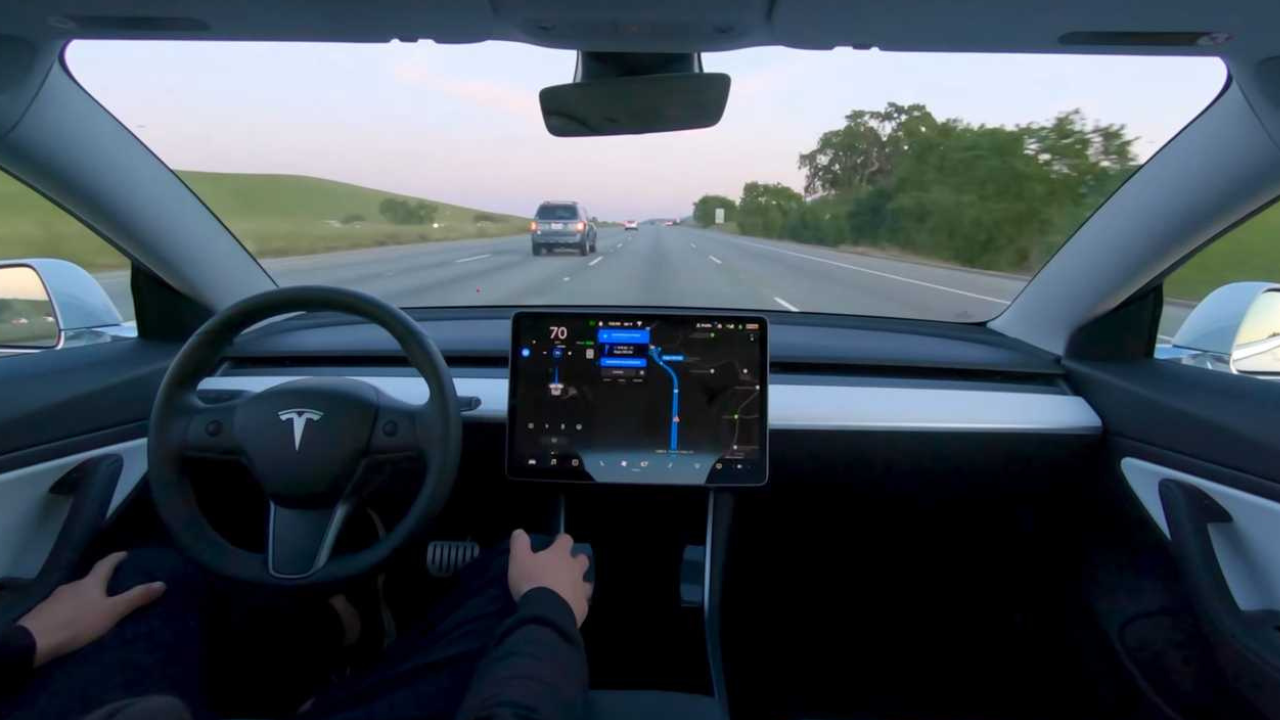
Tesla’s Self-Driving Tech Faces Scrutiny As Ride-Hail Drivers Turn Vehicles Into Robotaxis
Tesla's Full Self-Driving (FSD) software is now globally being adopted by Uber and Lyft drivers that is raising significant safety concerns. Many ride hailing platform drivers report using the FSD feature to work longer hours, as the technology helps reduce fatigue. But they are also facing issues like sudden acceleration or braking, that has now started debates that whether this technology is ready for commercial ride-hailing use.
Las Vegas Crash
In April, there was an incident where a Tesla operating on FSD while carrying a passenger for Uber was involved in a crash with an SUV in Las Vegas. The driver of the SUV was blamed for this incident, this accident is now under investigation by federal safety officials.
Ride-Hail Drivers Using FSD for Profit
According to most of Tesla drivers said that the FSD feature is priced at $99 per month that allows them to extend their working hours and increasing their earnings significantly. However, some drivers also admitted that they don’t trust the software in complex driving situations, like airport pickups and construction zones. The FSD system is currently classified as partial automation, requiring the driver to stay attentive at all times, which is something that has been proven difficult in real life practices.
Limited Regulations and Growing Concerns
Unlike the fully autonomous systems like Waymo and Cruise ride hailing platforms uses, Tesla's FSD doesn't come under that same regulatory oversight that applies on Waymo or Cruise, as Tesla's FSD requires human supervision. Federal and state authorities currently hold the drivers responsible, regardless of whether the system is in use.
Experts warn that the increasing use of FSD in commercial ride-hail operations falls into a gray area for the regulatory authorities. Some people also argue that the ride-hail companies like Uber and Lyft should ban the use of such technologies to prevent mis happenings.
Tesla’s Robotaxi Ambitions
Elon Musk, is planning to unveil the official robotaxi product on October 10, which will be based on the same FSD software that is being used by Uber and Lyft.
While drivers acknowledge the potential benefits of self-driving technology, safety experts urge further scrutiny, and regulators are being pressured to introduce guidelines to prevent future incidents.
(With Inputs from Times Now)
Log in to post a comment.
End of Article
Trending

2027 Harley-Davidson ST Range Updated: Gets 117 V-Twin Engine, Revised Suspension
Upcoming Maruti Suzuki Invicto Facelift: What to Expect?
Maruti Suzuki Fronx Facelift Spied Testing with Ventilated Seats, Electronic Parking Brake and More
New Mini Cooper SE Electric to Launch In India Tomorrow: What to Expect?
Toyota Innova HyCross Facelift Bookings Open in India: Check Price, Powertrain, Features, Safety and More
Toyota Innova HyCross Facelift Launched in India: Check Variant-Wise Price List
Toyota Innova Hycross Facelift Variants Explained: What Does Each Variant Offer?
Popular



STAY UPDATED Get the latest news from Times Drive