New Delhi


Brake the Habit- Hazard Lights Kill Visibility, Not Fog
Northern India experiences dense winter smog, making driving perilous. The "Brake the Habit" campaign aims to educate drivers on the correct use of hazard lights, which are intended for specific situations like vehicle breakdowns or emergency stops. Continuous use of hazard lights in low visibility creates confusion, masking brake lights and hindering communication about lane changes. Instead, drivers should utilize fog lights or low beams, reduce speed, and maintain safe distances. Proper light usage can significantly enhance road safety during winter.

Times Drive Desk
Updated Oct 27, 2025, 12:17 PM IST
Brake the Habit- Hazard Lights Kill Visibility, Not Fog
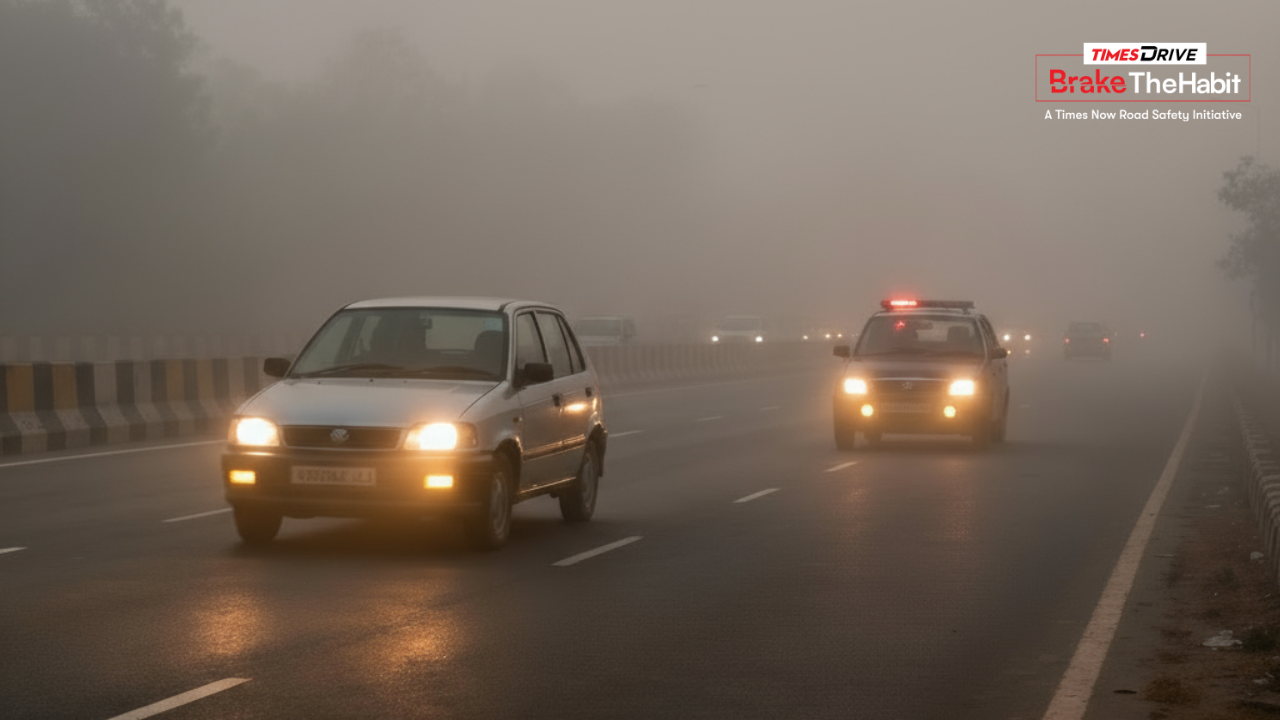
Winters, especially in Northern India, bring in a lot of dense smog making it extremely difficult for drivers to see the road let alone see other vehicles on it. Often people use hazard lights to indicate that they are driving on the road which has been a cause of an increase in road accidents during winters. Brake the Habit campaign wants to raise awareness on the correct usage of hazard lights during such adverse conditions which can be the difference between life and death!

People Also Search
What are the legal implications of using hazard lights while driving in adverse weather conditions?
How do fog lights differ from regular headlights in terms of visibility?
What are some common driving habits that contribute to road accidents during winter?
What role do indicators play in preventing road accidents, particularly in low visibility?
What strategies can drivers implement to improve safety in low-visibility conditions?
When to Use Hazard Warning Lights Appropriately
Hazard warning lights, or hazards are a crucial communication tool, but they are designed for specific, short-term situations to indicate a stationary hazard or an extreme disruption to traffic flow.
Signaling Imminent Danger or Breakdown
Use them only when your vehicle is stopped or stalled on the side of a road or highway and poses a threat to moving traffic. They serve as a temporary warning that your car is disabled.
Communicating Emergency Stops
Briefly activate the lights if you are forced to slow down drastically and unexpectedly on a highway due to a sudden obstruction or accident ahead. This is a short, immediate signal to the vehicles directly behind you to brake, after which you should switch to regular lights.
Temporary Parking
In some jurisdictions, they may be used briefly when double-parking or temporarily stopping to load/unload, though this practice should be minimized.
In essence, hazard lights signal: "I am stopped, I am moving extremely slowly, or I am in distress."
The Critical Danger of Driving with Hazard Lights in Fog/Smog
Using hazard lights while driving continuously in fog, smog, or heavy rain creates a dangerous ambiguity that compromises road safety for everyone. This practice should be strictly avoided.
Confusion with Braking
Hazard lights cause both rear indicator lights (turn signals) to flash simultaneously. When visibility is poor, this constant, symmetrical flashing makes it impossible for drivers behind you to determine if you are braking. The flashing of hazard lights can often mask the brake lights owing to their constant blinking leading to frontal or rear-end collision, resulting in severe injuries or in some cases, fatalities.
Indicators are majorly used to communicate with other drivers regarding a lane change or direction change. However, when the hazard lights are on, the entire signaling system is nullified. If you need to change lanes or make a turn while driving through low visibility, you cannot communicate your intent to other vehicles. The usage of hazard lights during foggy situations doesn't allow his communication to happen leading to an increase in road-related incidents.
The Correct Way to Drive in Fog and Smog
To ensure maximum safety and compliance in low-visibility winter conditions, drivers must adhere to the following best practices:
Activating Fog Lights
Use your dedicated front and rear fog lights (if your vehicle is equipped). These emit a specific low-and-wide beam that cuts under the fog/smog and are designed not to blind other drivers.
Utilizing Low Beams
If your car does not have fog lights, use only your low-beam headlights. High beams reflect off the water droplets in fog, effectively creating a reflective barrier that reduces your own visibility.
Maintaining Safe Distance and Speed
Reduce your speed significantly and increase your safe following distance. Drive at a speed that allows you to stop within the visible distance ahead.
Remember, hazard lights are for warning of a stationary danger. In low visibility, their continuous use turns them from a safety feature into a safety hazard. This winter, let us collectively commit to proper light usage to ensure safer roads for all.
Log in to post a comment.
End of Article
Trending

Royal Enfield Himalayan 750 Launched in India at Rs 4.89 Lakh: Check Variants, Features and Specs
Triumph Street Triple 798 Moto2 Edition Unveiled: Gets 133bhp Engine, Clip-On Handlebars

Ducati DesertX V2 Launched in India at Rs 19.99 Lakh with 890cc, 108 Bhp Engine

2026 Mini Cooper SE Launched in India: Top 5 Highlights
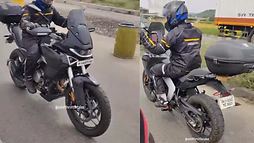
Norton Atlas ADV Spotted Testing with Luggage Rack, Top Box Ahead of India Launch

New Mini Cooper SE Electric Launched in India at Rs 53.90 Lakh: Check Range, Features and More

JSW Jaecoo J5 Hybrid Spotted without Camouflage: What to Expect?
Popular


STAY UPDATED Get the latest news from Times Drive