New Delhi


Toyota Fortuner Neo Drive, First Drive Review: Subtle Updates to an Established Product
The Toyota Fortuner Neo Drive introduces a 48-volt mild hybrid system aimed at enhancing urban efficiency and off-road performance without altering its rugged design. Key updates include a 360-degree camera and a multi-terrain select feature for improved traction. While the hybrid system offers slight benefits in city driving, it presents trade-offs such as reduced third-row space due to battery placement. Priced at approximately 44.72 lakh rupees, these enhancements mainly appeal to urban drivers, while the standard model may still suffice for highway use.

Ankur Taneja
Updated Aug 14, 2025, 11:35 AM IST
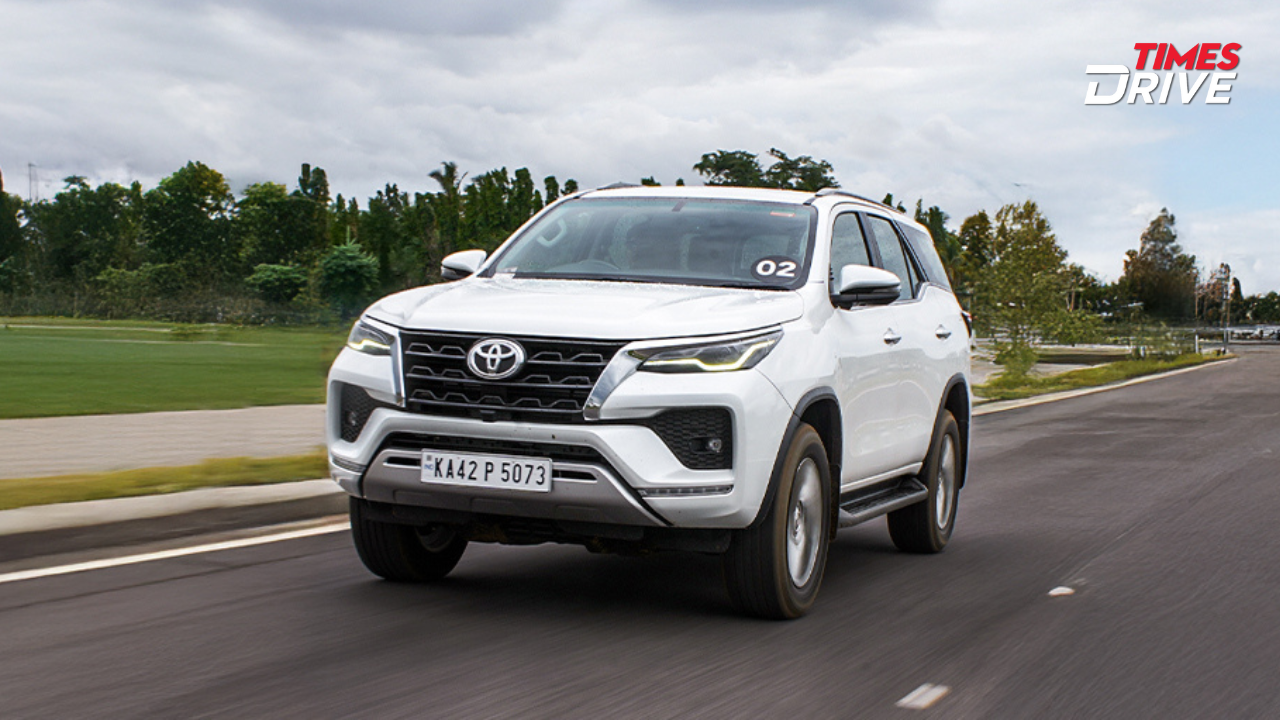
Toyota Fortuner Neo Drive, First Drive Review
Photo : TIMES DRIVE
Have you ever wondered if a proven SUV like the Toyota Fortuner could benefit from mild hybrid technology without losing its rugged appeal? In this first drive at Toyota's Bangalore plant, we explore the new Neo Drive variants, which introduce a 48-volt battery system and a few targeted features. While the core remains unchanged, these additions aim to enhance urban efficiency and off-road capability. Let's delve into what has evolved in this enduring favourite.

People Also Search
How does the hybrid technology in the Toyota Fortuner Neo Drive compare to the new Land Cruiser Prado?
What unique features does the Toyota Urban Cruiser Hyryder offer compared to the Fortuner Neo Drive?
What improvements does the 2025 Toyota Camry showcase compared to the Fortuner Neo Drive in terms of hybrid technology?
What are the safety features included in the Toyota Fortuner Neo Drive variants?
How do the design elements of the Fortuner Neo Drive and the Legender variant differ?
Toyota Fortuner Neo Drive: Design and Features
The exterior design of the Toyota Fortuner Neo Drive stays largely identical to its predecessors, with no alterations to the front, sides, or rear profiles. The chrome accents, door handles, and window surrounds are all unchanged, maintaining the familiar robust aesthetic. However, a notable addition is the 360-degree camera system, visible on the front grille and side mirrors, which provides a comprehensive view around the vehicle. This feature is available only in two variants: one standard Fortuner and the Legender model. At the rear, the primary change is the new 'Neo Drive' badging, signifying the inclusion of the 48-volt battery. Inside the cabin, the updates are selective. The engine remains the same diesel unit, with unchanged power figures. A new multi-terrain select (MTS) switch appears in the centre console, offering modes such as auto, dirt, sand, mud, and deep snow when engaged in four-high or four-low drive. Switching back to two-high deactivates MTS, reverting to the usual eco, normal, and sport modes.
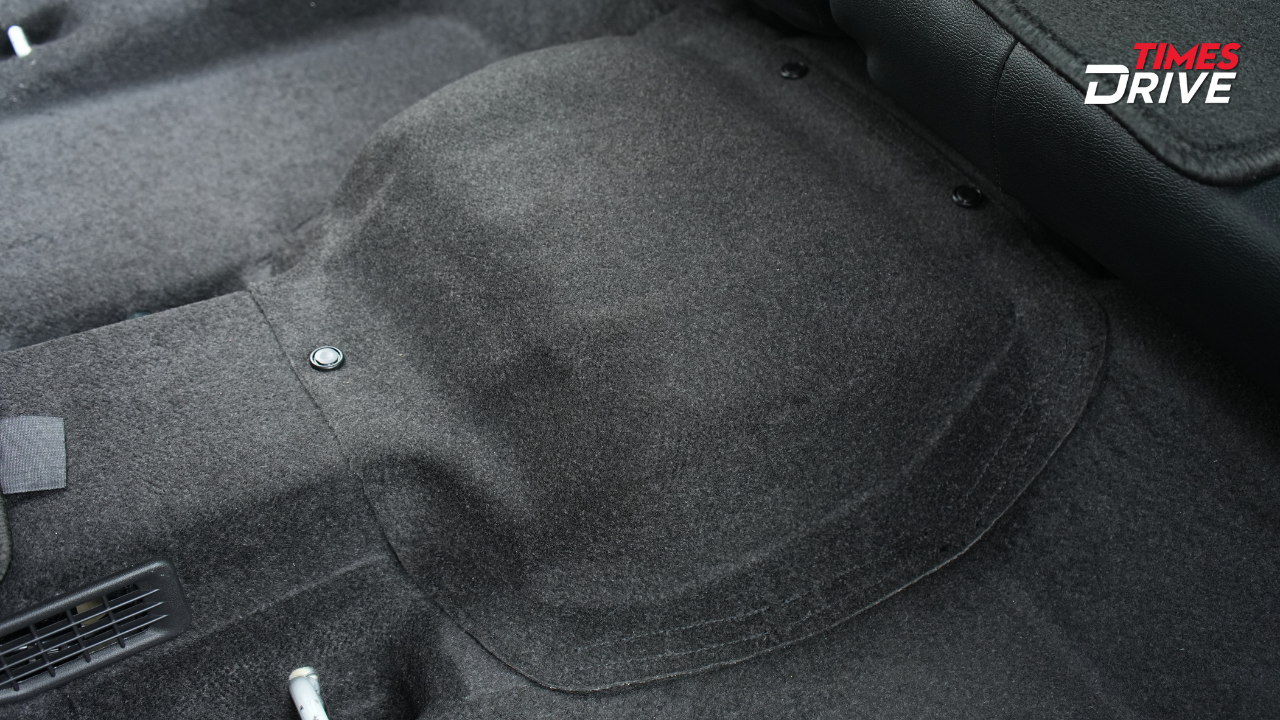
The battery hump in the third row of the Toyota Fortuner Neo Drive is quite intrusive
Photo : TIMES DRIVE
Wireless charging has been added, though it is limited to these specific variants, along with the 360-degree camera and MTS. An auto start-stop switch enables idle engine shutdown in traffic, reactivated upon acceleration with assistance from the 48-volt battery. The camera quality is average, not particularly crisp or high-definition, but functional. Space in the second row is mostly unaffected, though a DC-to-DC converter under the front seat slightly reduces leg-spreading room on the left side. In the third row, however, the 48-volt battery placement creates a noticeable hump on the floor, significantly compromising space. This makes it even less suitable for adults, though children might adjust with some effort.
Toyota Fortuner Neo Drive: Performance
During our brief off-road session and city drive, the Neo Drive's performance showed incremental benefits from the new inclusions. The 48-volt mild hybrid system provides a subtle boost during initial acceleration, particularly in traffic or urban scenarios, where the start-stop feature proves useful. Toyota claims this setup adds approximately 43 kilometres of extra range on a full tank, potentially improving fuel efficiency in stop-go conditions. However, on highways, the system offers little advantage, as power delivery remains identical to the standard model.
The multi-terrain select modes performed adequately during light off-roading, adapting traction effectively to varied surfaces without drama. The hybrid operation feels seamless, with no perceptible activation or deactivation, ensuring a smooth experience. We had about two hours to test these elements, and while the changes enhance low-speed responsiveness, they do not transform the overall dynamics. The Fortuner retains its familiar handling, which is competent but not exceptional in refinement.
Priced from 44.72 lakh rupees for the standard variant and around 50 lakh rupees ex-showroom for the Legender, these updates come at a premium. For city-focused users, the mild hybrid could offer marginal efficiency gains, especially in congested traffic. Yet, for those prioritizing highway travel or third-row usability, the compromises in space might outweigh the benefits.
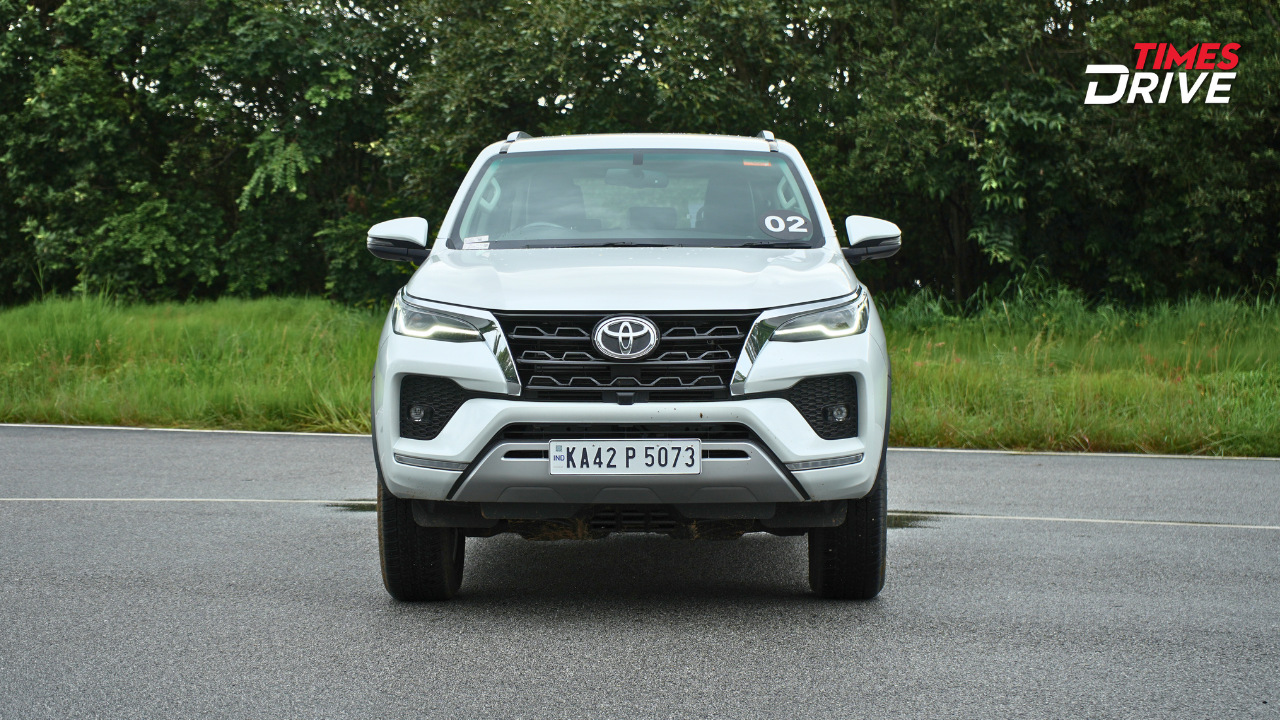
Be it the standard version or the Neo Drive, the Fortuner does score high on street cred
Photo : TIMES DRIVE
Toyota Fortuner Neo Drive: Conclusion
The Toyota Fortuner Neo Drive introduces thoughtful additions like the 48-volt battery, MTS modes, and 360-degree camera, targeting better urban efficiency and off-road versatility. While these features integrate smoothly and provide minor enhancements, they are confined to just two variants and involve trade-offs, such as reduced third-row space. Overall, this update refreshes the Fortuner without reinventing it, appealing to existing fans seeking subtle improvements. If your driving involves more city commutes than long hauls, it might be worth considering; otherwise, the standard model suffices.
Log in to post a comment.
End of Article
Trending

Kia Sorento Diesel AWD First Drive Review: New Benchmark in Premium SUVs?

Mercedes-Benz GLS 450d Night Edition First-Drive Review: Should You Pay Extra For It?

Mahindra Thar OG First Drive Review: Can You Drive It Every Day?
2026 Honda Elevate Facelift First Drive Review: Did They Fix It?
Simple Wave Family Electric Scooter First Ride Review: Should You Hold Your Breath?

Ather Konarc First Ride Review: An Electric Scooter With Everyday Solutions

Volvo EX90 Twin Motor First Drive Reviews: Make You Feel Special
Popular



STAY UPDATED Get the latest news from Times Drive