New Delhi


MoRTH Proposes Mandatory Acoustic Alert System for Electric Vehicles from 2026
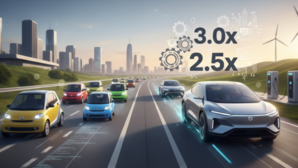
The Ministry of Road Transport and Highways has released draft rules proposing the compulsory installation of Acoustic Vehicle Alerting Systems (AVAS) in electric vehicles starting October 2026 for new models and October 2027 for existing models.

Keshav Rajput
Updated Nov 11, 2025, 05:32 PM IST

MoRTH Proposes Mandatory Acoustic Alert System for Electric Vehicles from 2026
The Ministry of Road Transport and Highways issued a draft notification to amend the Central Motor Vehicles Rules, 1989. The proposal has been published in the Gazette of India for public comments.

People Also Search
How does the introduction of the Acoustic Vehicle Alerting System (AVAS) align with global safety standards for electric vehicles?
What are some challenges faced by manufacturers in implementing AVAS technology in electric vehicles?
What impact does the EV Acoustic Vehicle Alerting System (AVAS) have on the energy consumption of electric vehicles?
How does the government's proposed 50% tax rebate on new vehicle purchases after scrapping old vehicles encourage electric vehicle adoption?
What are the key features of the PM E-DRIVE scheme that supports electric vehicle adoption in India?
AVAS Requirement for Electric Vehicles
According to the draft, from 1 October 2026, all new models of electric vehicles falling under categories M and N must be fitted with an Acoustic Vehicle Alerting System (AVAS). For existing models, the requirement will apply from 1 October 2027.
Also Read: GST Price Cut on TVS Jupiter, NTorq, Raider, XL100 and More With Up to Rs 9,600 Reduction in India - Old vs New Prices
Provided also that, on and after 1st October 2026 in case of new models and 1st October 2027 in case of existing models, electrified vehicles of category M and N shall be fitted with Acoustic Vehicle Alerting System (AVAS) meeting requirements with regard to audibility as specified in AIS-173, as amended from time to time” the notification added.
The system must comply with AIS-173 standards related to audibility, which are updated from time to time. The rule aims to address safety concerns as electric vehicles are generally quieter than conventional vehicles. The amendment expands the coverage beyond the existing M1 category to include L5, L7, e-rickshaws and e-carts.
Public Feedback Invited
The government has invited objections and suggestions within 30 days of the publication of the draft. Inputs can be sent to the Additional Secretary (MVL, Transport and Road Safety) at the Ministry of Road Transport and Highways or by email.
Krishna K Jasti, Founder & CEO, EVRE, explained that mandatory acoustic alert systems will have minimal energy consumption, and will not have any noticeable impact on the overall range, saying, “The MoRTH recommendation of mandatory acoustic alert systems is targeted towards integrating civic safety than a technical one. Many EVs already have acoustic systems that mimic the sound of a traditional vehicle, both domestically and internationally. By making this accessory mandatory, there will be no noticeable impact on the ranges of EV models, as they have very minimal energy consumption that is comparable to that of a car stereo, which is also already present in the car. This will also have no visible change in charging loads, or challenges in EV charger manufacturing, as chargers are already produced by considering the power capacity of different models in mind.”


Log in to post a comment.
End of Article
Trending

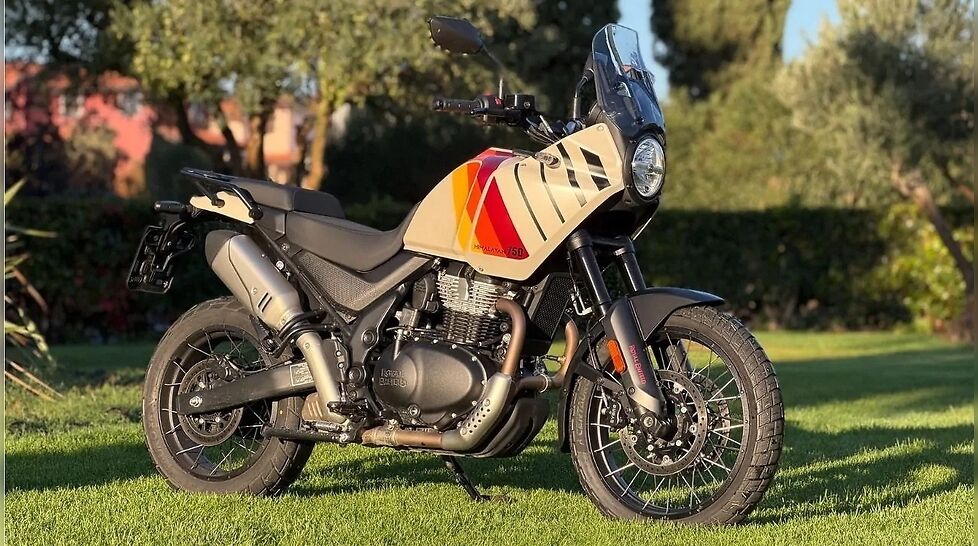
Royal Enfield Himalayan 750 Launched in India at Rs 4.89 Lakh: Check Variants, Features and Specs
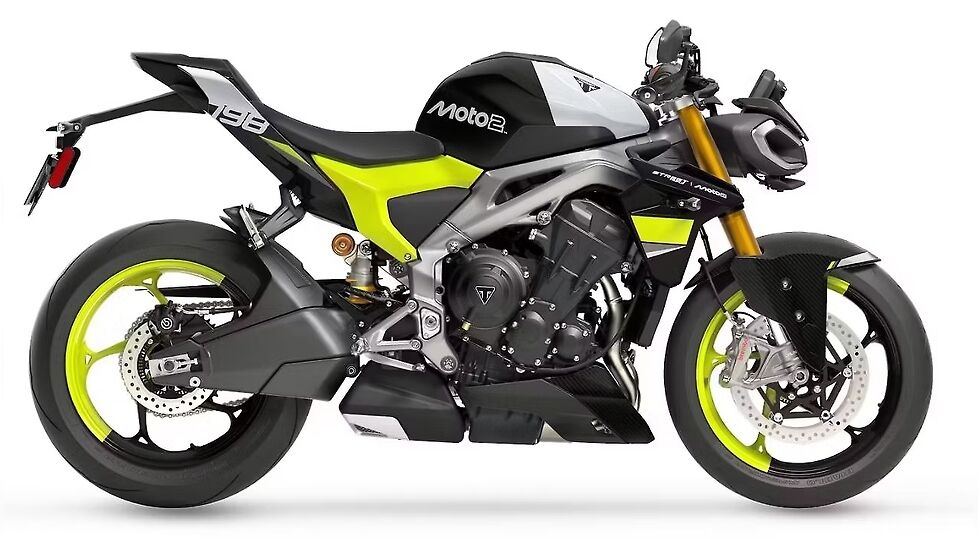
Triumph Street Triple 798 Moto2 Edition Unveiled: Gets 133bhp Engine, Clip-On Handlebars

Ducati DesertX V2 Launched in India at Rs 19.99 Lakh with 890cc, 108 Bhp Engine

2026 Mini Cooper SE Launched in India: Top 5 Highlights
Norton Atlas ADV Spotted Testing with Luggage Rack, Top Box Ahead of India Launch

New Mini Cooper SE Electric Launched in India at Rs 53.90 Lakh: Check Range, Features and More

JSW Jaecoo J5 Hybrid Spotted without Camouflage: What to Expect?
Popular


STAY UPDATED Get the latest news from Times Drive