New Delhi


New CAFE 3 Draft Aims to Relax Norms for Small Vehicles and Support Range-Extender Hybrids
The draft Corporate Average Fuel Efficiency (CAFE) 3 standards, released on September 25, 2025, propose relaxed emission norms for compact petrol cars and enhanced credits for range-extender hybrids and electric vehicles. The norms, applicable from April 2027 to March 2032, will shape how automakers balance efficiency and technology choices in India.

Keshav Rajput
Updated Sep 26, 2025, 12:34 PM IST
New CAFE 3 Draft Aims to Relax Norms for Small Vehicles and Support Range-Extender Hybrids
The Ministry of Power published the draft CAFE 3 standards for public consultation. These will replace earlier frameworks introduced in 2015 and 2021. The new norms will govern M1 category passenger vehicles; cars with seating for up to nine people and gross vehicle weight not exceeding 3,500 kg. The CAFE 3 standards will remain in effect for five years, starting April 1, 2027 and ending March 31, 2032.

People Also Search
How does the Indian government's Electric Mobility Promotion Scheme (EMPS) support the adoption of electric vehicles?
What measures are being implemented to ensure compliance with the new EV charging guidelines in India?
What role do Bharat Stage (BS) emission norms play in shaping vehicle manufacturing and environmental policies in India?
How is the Indian government facilitating the transition to E20 fuel in vehicles, and what are the implications for manufacturers?
What incentives are being offered under the new guidelines for electric vehicle manufacturing to attract global investments?
Relaxation for Small Cars
The draft acknowledges that smaller petrol cars have limited potential for further fuel efficiency gains. To address this, the proposal allows a special reduction in declared carbon emissions for certain models:
| Category | Eligibility | Benefit | Cap |
| Small Petrol Cars | Weight ≤ 909 kg, engine ≤ 1,200 cc, length ≤ 4,000 mm | Additional reduction of 3 g CO₂/km | Maximum 9 g CO₂/km per model |
Incentives for Alternative Technologies
CAFE 3 also introduces a system of super-credits to promote advanced powertrains. These credits increase the compliance weight of low-emission vehicles in corporate fleet calculations:
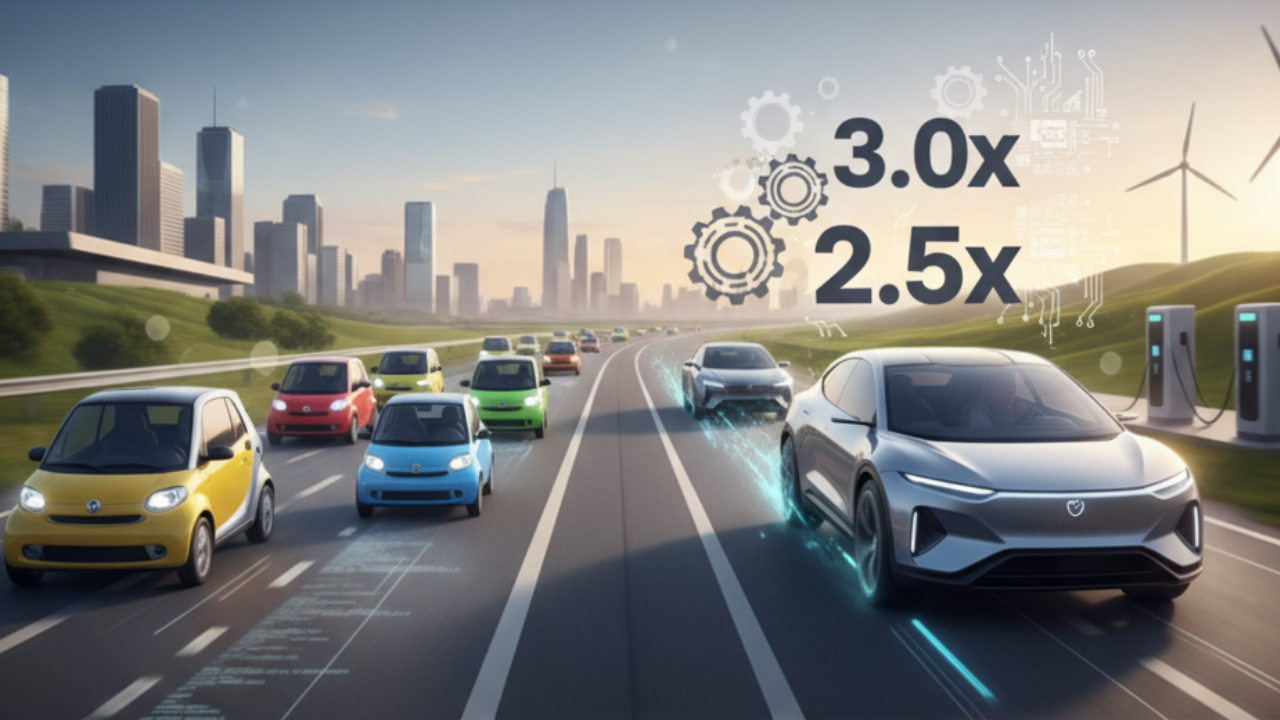
| Vehicle Type | Creditor |
| Battery Electric Vehicle / Range-Extender Hybrid | 3.0 |
| Plug-in Hybrid / Strong Hybrid (Flex Fuel Ethanol) | 2.5 |
| Strong Hybrid | 2.0 |
| Flex Fuel Ethanol Vehicle | 1.5 |
Reporting and Oversight
- Reporting: Starting April 2026, manufacturers must provide CO₂ and fuel efficiency data under both the Modified Indian Driving Cycle (MIDC) and the upcoming Worldwide
Harmonized Light Vehicles Test Procedure (WLTP), once adopted. Enforcement:
1. Ministry of Road Transport and Highways will oversee testing and production conformity.
2. Ministry of Power and the Bureau of Energy Efficiency will ensure compliance under the Energy Conservation Act, 2001.Pooling Option: Up to three manufacturers may form a compliance pool, with one designated pool manager responsible for meeting targets and penalties.
Industry Impact
The draft norms under CAFE 3 suggest a dual approach: offering relief to small petrol cars while strongly incentivising range-extender hybrids and electric vehicles. This balance is likely to shape automakers’ product strategies between 2027 and 2032, encouraging a mix of affordable models and advanced technologies in the Indian market.

Log in to post a comment.
End of Article
Trending

Royal Enfield Himalayan 750 Launched in India at Rs 4.89 Lakh: Check Variants, Features and Specs
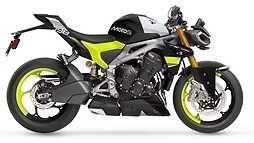
Triumph Street Triple 798 Moto2 Edition Unveiled: Gets 133bhp Engine, Clip-On Handlebars
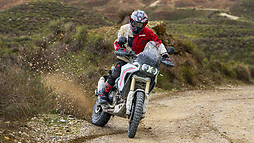
Ducati DesertX V2 Launched in India at Rs 19.99 Lakh with 890cc, 108 Bhp Engine

2026 Mini Cooper SE Launched in India: Top 5 Highlights

Norton Atlas ADV Spotted Testing with Luggage Rack, Top Box Ahead of India Launch

New Mini Cooper SE Electric Launched in India at Rs 53.90 Lakh: Check Range, Features and More

JSW Jaecoo J5 Hybrid Spotted without Camouflage: What to Expect?
Popular


STAY UPDATED Get the latest news from Times Drive