New Delhi


New PUC Rules in India: Validity Periods Revised for BS-VI and Older Vehicles
The Ministry of Road Transport and Highways has updated PUC certificate validity rules. New regulations introduce tiered renewal intervals based on emission standards, vehicle age, and usage category.

Updated Nov 22, 2026, 02:49 PM IST
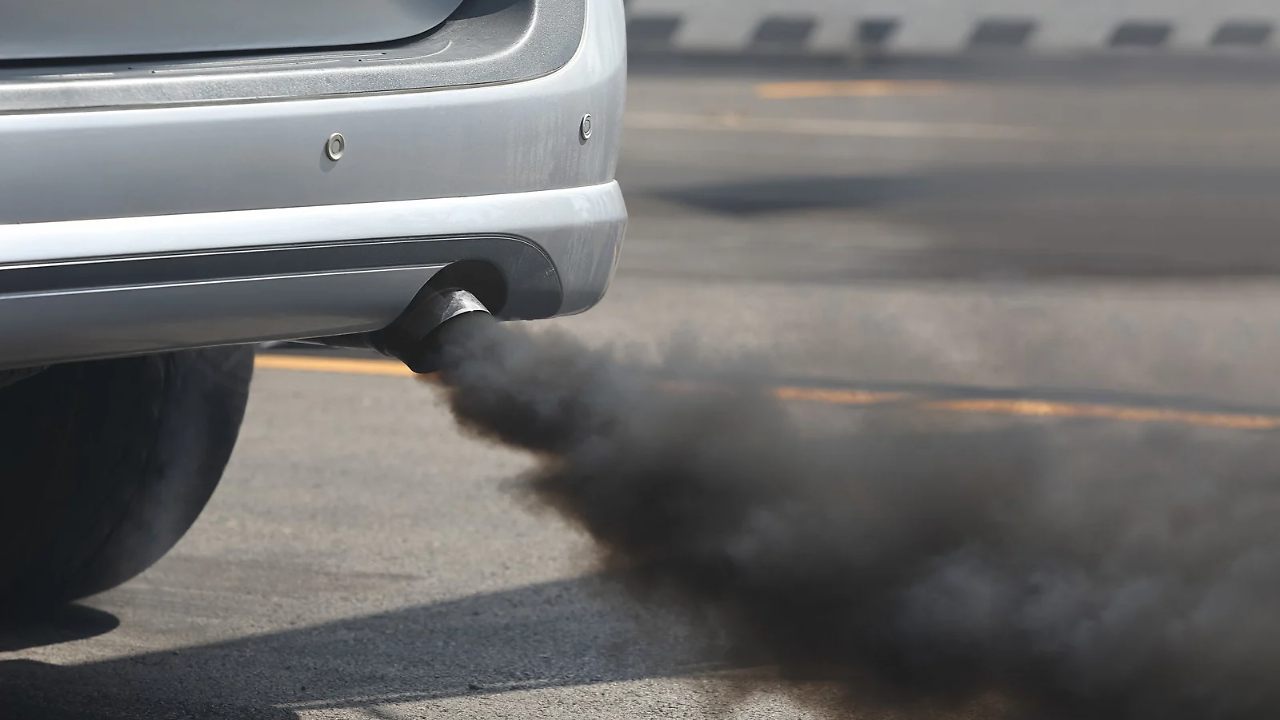
New PUC Rules in India: Validity Periods Revised for BS-VI and Older Vehicles (image for representation only)
The Ministry of Road Transport and Highways (MoRTH) has officially introduced significant changes to the validity periods of Pollution Under Control (PUC) certificates. Through the Central Motor Vehicles (Sixteenth Amendment) Rules, 2026, notified on 13 November 2026, the government has overhauled the existing framework to create a more structured approach to vehicle emission testing based on age, emission standards, and vehicle classification.
Under the new guidelines, the duration for which a PUC certificate remains valid is no longer uniform. Instead, it is now strictly tied to the vehicle's compliance with specific emission norms. For older vehicles, the rules remain relatively stringent: those complying with BS-I, BS-II, and BS-III standards are now limited to a three-month validity period, while vehicles meeting BS-IV standards are granted a six-month window before requiring a fresh test.
Revised Validity Schedules for BS-VI Vehicles
The most substantial changes apply to BS-VI compliant vehicles, with the government implementing a tiered system that distinguishes between transport and non-transport categories. For non-transport BS-VI vehicles, the policy offers a longer initial validity period. Vehicles that are up to six years old from their date of first registration will now receive a PUC certificate valid for three years. Once the vehicle crosses the six-year mark but remains under ten years of age, the owner must obtain a new certificate annually. For vehicles exceeding ten years, the requirement shifts to a six-month renewal cycle.Transport vehicles classified under BS-VI norms follow a slightly different, more frequent schedule. During the first six years of the vehicle's life, the PUC certificate is valid for two years. Similar to non-transport vehicles, those aged between six and ten years are subject to annual testing, while vehicles older than ten years must undergo testing every six months.
Implementation and Transitional Arrangements
To ensure a smooth transition for vehicle owners, the Ministry has clarified how the new rules will be applied to existing documentation. Any PUC certificate issued prior to the commencement of these amended rules will remain valid until its printed expiry date. The new, revised validity schedules will only come into effect at the time of the first renewal following the implementation of the amendment.This phased approach allows current vehicle owners to continue operating under their existing certificates until they are due for their next scheduled test. By categorizing validity based on the vehicle's age and usage, the updated regulations aim to streamline the compliance process while maintaining oversight of vehicular emissions across different segments of the fleet.




Log in to post a comment.
End of Article
Trending

JSW Combat SUV India Launch on Dec 3: Expected Features, Powertrain and More

2027 Bajaj Pulsar RS200 Launched at Rs 1.98 Lakh: Gets More Power and New Features

Honda Avancier SUV Unveiled: Gets New Hybrid System, 3 Row Cabin and AWD

Volkswagen Tengo Unveiled in South Africa: All You Need to Know

TVS Star City Plus Removed From Official Website Amidst Declining Sales

BMW R 12 G/S Retro Off-Roader Launched in India at Rs 25.40 Lakh With 109PS Boxer Engine

Lamborghini Temerario Spyder Becomes Brand's First Model With Retractable Hardtop: Gets 920PS Hybrid Powertrain
Popular





STAY UPDATED Get the latest news from Times Drive