New Delhi


Which Are the Best Bikes for a Ladakh Trip in India
Riding to Ladakh tests every aspect of a motorcycle, from ground clearance and suspension travel to high-altitude performance and luggage-carrying ability. Here are the top bikes in India across different budgets that are best suited for your Leh-Ladakh expedition.

Updated Nov 20, 2026, 02:00 PM IST
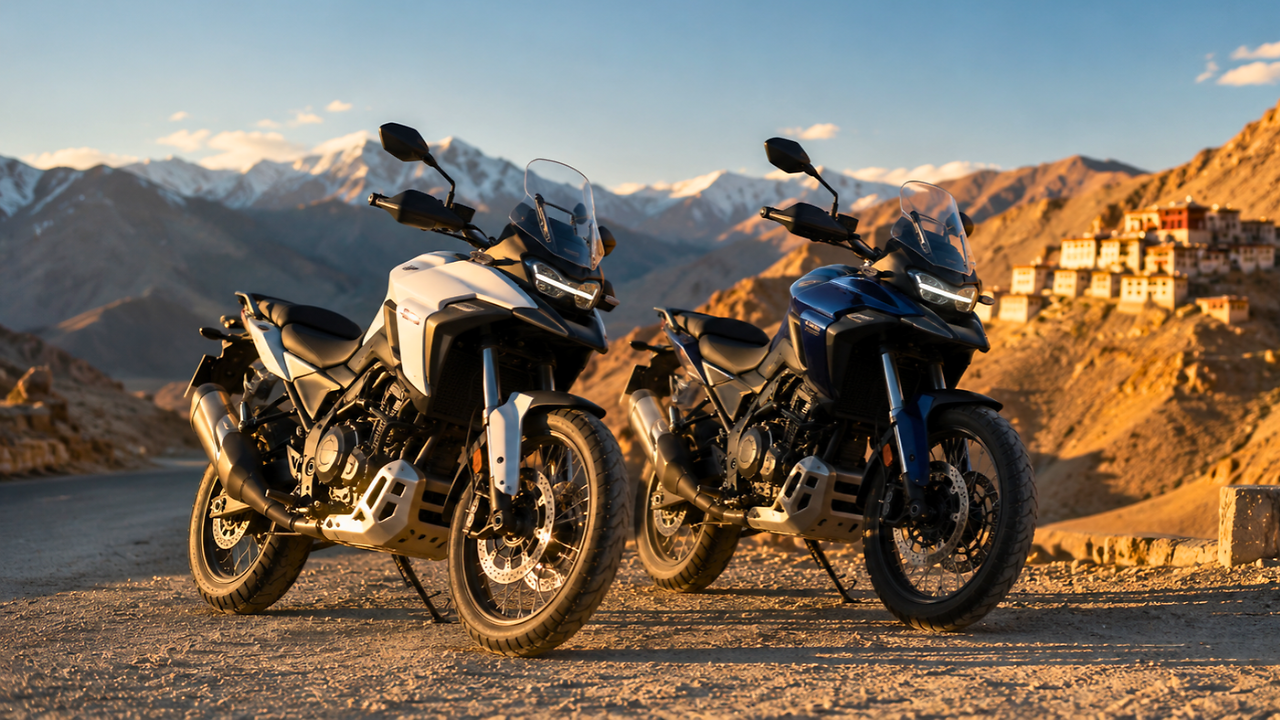
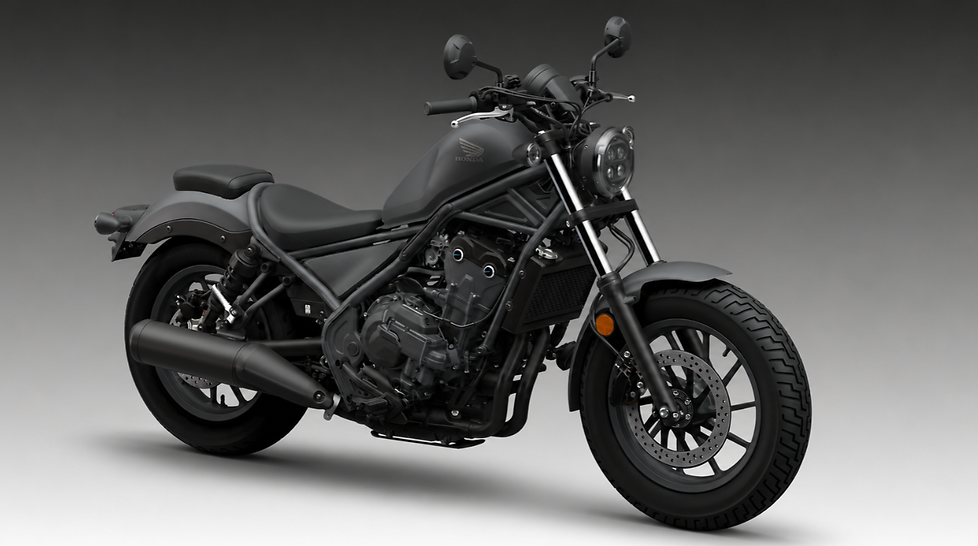
Which Are the Best Bikes for a Ladakh Trip in India (image for representation only)
The Royal Enfield Himalayan 450, Hero XPulse 210, KTM 250 Adventure, Royal Enfield Scram 440 and Suzuki V-Strom SX are among the motorcycles worth considering for a Ladakh trip. The choice depends on terrain, rider experience, luggage, seat height, ground clearance, tyre setup, fuel range and how much highway riding is planned.
Key Highlights
- Royal Enfield Himalayan 450 has the highest power and torque output in this shortlist, along with 230 mm ground clearance and a 21-inch front wheel.
- Hero XPulse 210 is the lowest-priced and lightest off-road-focused option here, but has less power for sustained high-speed touring with luggage.
- KTM 250 Adventure offers 31 PS, 228 mm ground clearance and off-road ABS, balancing highway ability with occasional rough-road use.
- Royal Enfield Scram 440 has the lowest seat height in this comparison at 795 mm, making it easier to manage at stops for some riders.
- Suzuki V-Strom SX is the lightest motorcycle listed and uses tubeless tyres, but its setup is more road-oriented.
- OEM mileage figures are included only where the manufacturer publishes them; unavailable figures are not replaced with third-party estimates.
- Acclimatisation, protective riding gear, motorcycle inspection and route planning are essential parts of a Ladakh trip.
Which are the best bikes for a Ladakh trip?
| Model | Price (ex-showroom) | Best Suited For |
| Royal Enfield Himalayan 450 | Rs 3.08 lakh | All-round Ladakh touring |
| Hero XPulse 210 | Rs 1.68 lakh | Budget and rougher sections |
| KTM 250 Adventure | Rs 2.39 lakh | Touring and occasional rough roads |
| Royal Enfield Scram 440 | Rs 2.24 lakh | Lower seat and relaxed road-led touring |
| Suzuki V-Strom SX | Rs 2.02 lakh | Paved highways and established routes |
Royal Enfield Himalayan 450: Best all-rounder
The Himalayan 450 has a 452cc liquid-cooled engine producing 40.02 PS and 40 Nm. It gets a 21-inch front wheel, 17-inch rear wheel, 230 mm ground clearance, 200 mm suspension travel at both ends and a 17-litre fuel tank. Switchable dual-channel ABS is useful when the route changes between tarmac and loose surfaces. Its 196 kg kerb weight and tall seat are important considerations, particularly for shorter riders or those new to adventure motorcycles.Hero XPulse 210: Best budget option for rough sections
The XPulse 210 is the most affordable motorcycle in this shortlist. Its 210cc liquid-cooled engine produces 24.6 PS and 20.7 Nm, and it gets 21-inch front and 18-inch rear wheels, 220 mm ground clearance and long-travel suspension. At 168 kg in Base trim and 170 kg in Top trim, it is lighter than the larger adventure motorcycles listed here. The trade-off is lower power reserve for sustained high-speed touring with a pillion and luggage. The Top variant gets dual-channel ABS, while the Base version uses single-channel ABS.
KTM 250 Adventure: Best middle ground for touring and broken roads
The KTM 250 Adventure uses a 249.07cc liquid-cooled engine producing 31 PS and 25 Nm. It has 228 mm ground clearance, 200 mm front and 205 mm rear suspension travel, a 14.5-litre fuel tank and off-road ABS. Its 19-inch front and 17-inch rear cast wheels make it more road-oriented than motorcycles with a 21-inch front wheel, but the ground clearance and suspension travel are useful on uneven stretches. Its 176 kg kerb weight and 825 mm seat height should be checked in a test ride.Royal Enfield Scram 440: Best for a lower seat and relaxed touring
The Scram 440 has a 443cc air-cooled engine producing 25.4 bhp and 34 Nm, paired with a six-speed gearbox. Its 795 mm seat height is the lowest in this shortlist, which can make it easier to manage at stops and on uneven ground. It has 200 mm ground clearance, 190 mm front and 180 mm rear suspension travel, and 19/17-inch dual-purpose tyres. It is better suited to established roads and moderate gravel than repeated technical off-road sections. Its 196 kg kerb weight is still significant.
Suzuki V-Strom SX: Best for paved mountain routes
The V-Strom SX is the lightest motorcycle in this comparison at 167 kg. Its 249cc oil-cooled engine produces 26.5 PS and 22.2 Nm, and the bike gets 205 mm ground clearance, a 19-inch front wheel, a 17-inch rear wheel and tubeless tyres. The upright riding position and lower weight can help on long paved sections. Its suspension setup and road-biased character make it less suitable for repeated rocky trails than the Himalayan 450 or XPulse 210.
What should you compare before choosing a bike for Ladakh?
Ground clearance, suspension and wheel size
Ground clearance and suspension travel matter when the route includes broken tarmac, gravel, water crossings and uneven surfaces. A 21-inch front wheel can roll over obstacles more easily than a smaller front wheel, but tyre construction, suspension tuning and rider skill also matter. A larger wheel alone does not make a motorcycle suitable for every trail.Weight, seat height and engine response
Weight and seat height should be considered together. A tall, heavy motorcycle can become difficult to pick up or turn around on a sloping road. Riders should test the bike with their usual riding boots and, if possible, with luggage fitted.
Torque delivery, gearing and fuel capacity are important on long climbs and remote stretches. A motorcycle with a larger engine is not automatically the best choice; the rider should be comfortable with its throttle response, clutch effort, braking and weight.
Tyres, fuel range and service support
Tubeless tyres can be easier to repair after a puncture, while tube-type spoked wheels require the correct repair tools and skills. Check the exact variant because wheel and tyre specifications can differ. Plan fuel stops in advance and check service support and parts availability along the route.
Which option is suitable for daily commuting?
Daily usability after the trip
The Suzuki V-Strom SX and Hero XPulse 210 are comparatively manageable choices for riders who plan to use the motorcycle regularly after the trip. The V-Strom SX is lighter and more road-oriented, while the XPulse 210 has a stronger off-road focus and a lower purchase price. The Scram 440 offers a lower seat height and relaxed engine character, but its kerb weight should be considered.The Himalayan 450 and KTM 250 Adventure are more specialised touring choices. They can be used for daily riding, but their taller stance and adventure-bike ergonomics may not suit every commuter. A test ride in city traffic is as important as evaluating touring equipment.
Ladakh trip preparation: what should riders keep in mind?
Acclimatisation and altitude safety
District Leh's official advisory asks tourists arriving in Leh to complete at least 48 hours of acclimatisation before travelling to higher-altitude areas. Riders should use this time for rest and avoid strenuous activity.Headache, nausea, dizziness, unusual fatigue and breathlessness can be signs of altitude illness. Do not continue ascending if symptoms develop or worsen; seek medical advice and follow local emergency guidance.
Motorcycle checks and riding equipment
Before leaving, get the motorcycle serviced and inspect the brakes, brake fluid, tyres, chain, clutch, coolant where applicable, battery, lights and fasteners. Carry a puncture repair kit compatible with the tyre type, a basic tool kit, spare fuses, chain lubricant and essential consumables.
Secure luggage low and close to the centre of the motorcycle, and avoid exceeding the manufacturer's payload limit. Use a full-face helmet, riding jacket and trousers with protection, gloves, ankle-covering riding boots and weatherproof layers.
Mountain weather can change quickly. Check local weather and road advisories before setting out each day. Keep emergency contacts and a realistic fuel plan available offline.
Frequently Asked Questions (FAQs)
Which is the best bike for a Ladakh trip?
The Royal Enfield Himalayan 450 is the strongest all-round option in this shortlist because of its engine output, 230 mm ground clearance, 21-inch front wheel and long-travel suspension. The XPulse 210 is a lighter, lower-cost alternative, while the right choice depends on rider experience and route difficulty.
Is a 200cc bike enough for a Ladakh trip?
A 200cc-class motorcycle such as the XPulse 210 can complete a Ladakh trip when it is properly maintained and ridden within its limits. Its lower weight and off-road hardware are useful, but riders should allow more time for overtaking and sustained climbs, especially with a pillion and luggage.
Is a 21-inch front wheel necessary for Ladakh?
It is not essential for every route. A 21-inch front wheel can help on rougher surfaces, but many established routes are also ridden on motorcycles with 19-inch front wheels. Tyres, ground clearance, suspension, weight and rider ability matter together.
How long should I acclimatise in Leh before riding to high-altitude areas?
The Leh district administration advises at least 48 hours of acclimatisation after arriving in Leh before travelling to higher-altitude areas. Follow current local advisories and consult a doctor if you have health concerns or develop symptoms.
Should I choose tubeless or tube-type tyres for Ladakh?
Tubeless tyres can be easier to repair after a puncture, but the correct choice depends on the motorcycle's wheel setup and route. Check the variant's tyre construction and carry a repair kit suited to it.
Verdict
For most riders planning a mix of highways, mountain roads and broken surfaces, the Royal Enfield Himalayan 450 is the most complete option in this shortlist, provided its price, weight and seat height are manageable. The Hero XPulse 210 is a sensible lower-cost choice for riders who value low weight and off-road ability. The KTM 250 Adventure offers a middle ground, while the Scram 440 and V-Strom SX suit riders whose routes are largely established roads. Preparation, acclimatisation, protective gear and conservative riding are just as important as the motorcycle.
Log in to post a comment.
End of Article
Trending
Which Are the Best SUVs Under Rs 20 Lakh in India?
Which Are the Best Bikes For Pillion Comfort?

5 High-Tech Features in Modern Cars Most Owners Rarely Touch
Which Are the Best Cars Under Rs 8 Lakh in India?
Which Are the Best Bikes for Riding on Hills and Ghat Roads in India

7 Mistakes That Can Damage Your Car’s Paint: Car Maintenance Guide
Which Are the Best Bikes for Bad Roads and Rough Terrain in India
Popular





STAY UPDATED Get the latest news from Times Drive