New Delhi


Which Are the Best Bikes for Bad Roads and Rough Terrain in India
Tackling broken tarmac, deep potholes and unpaved trails requires sturdy suspension and high ground clearance. Here are the best motorcycles in India designed to take on bad roads effortlessly.

Updated Nov 18, 2026, 01:00 PM IST
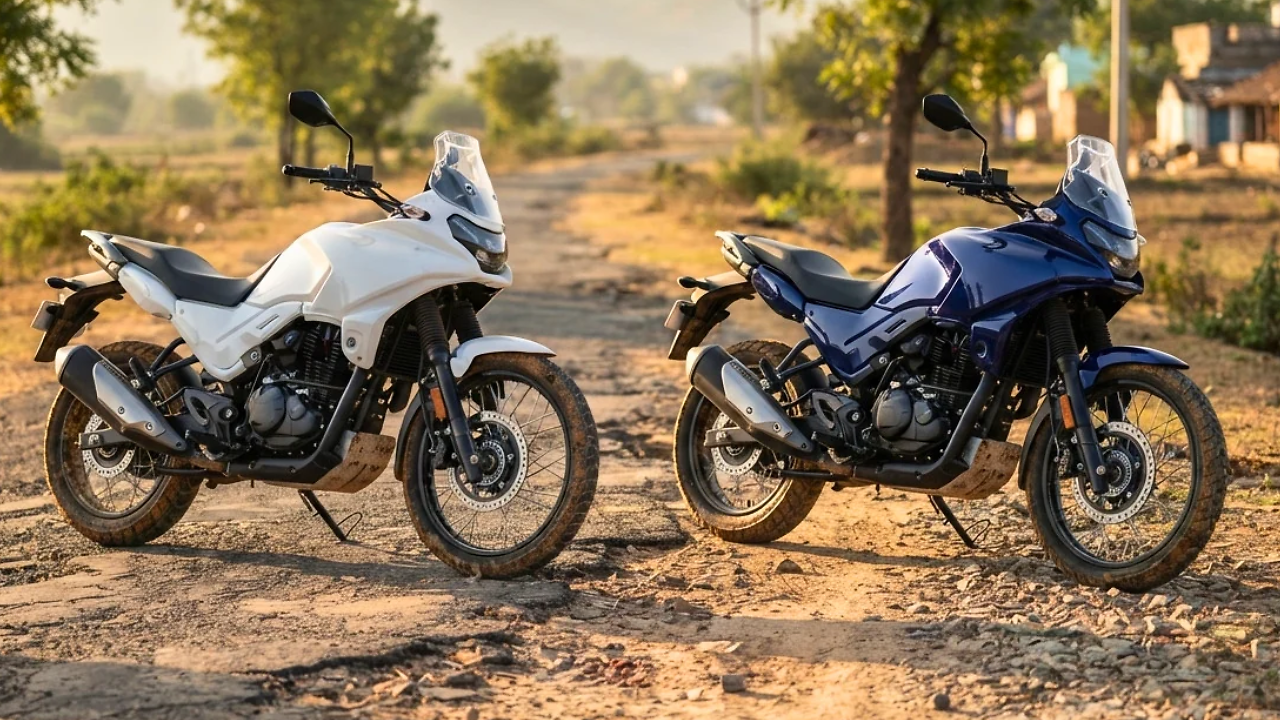
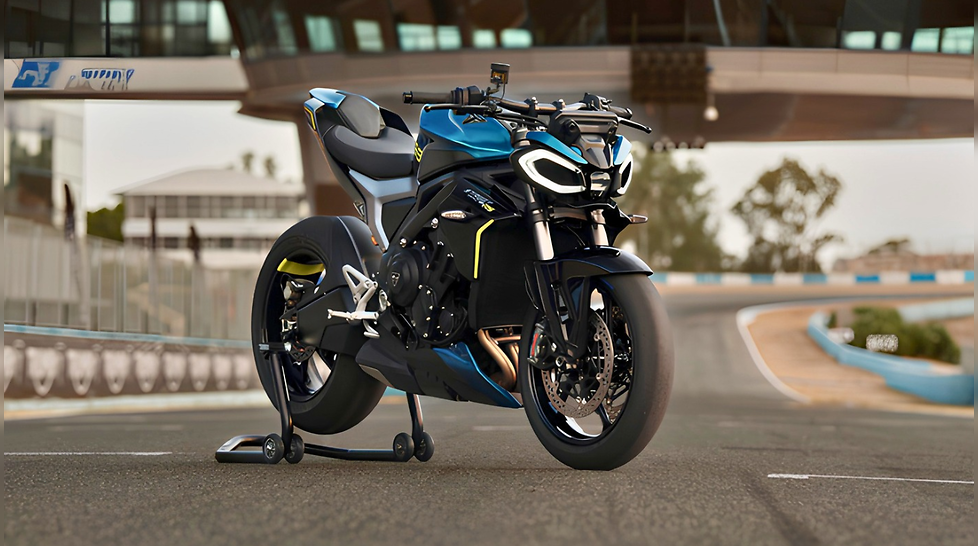
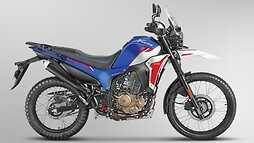
Which Are the Best Bikes for Bad Roads and Rough Terrain in India (image for representation only)
For broken city roads and occasional dirt tracks, the Hero XPulse 200 4V is the most accessible option in this shortlist. The XPulse 210 adds performance, while the Suzuki V-Strom SX and Triumph Scrambler 400 XC suit mixed-road use. The Royal Enfield Himalayan 450 is better suited to longer rides and more demanding terrain. Compare weight, seat height, suspension and OEM prices before choosing.
Key Highlights
- The Hero XPulse 200 4V has a 21-inch front wheel, 220mm ground clearance in the base version and long-travel suspension.
- The XPulse 210 has a 210cc liquid-cooled engine, 24.6PS and 220mm ground clearance; Hero's current Delhi price page does not display a numeric price.
- The Suzuki V-Strom SX is a road-biased all-road motorcycle with a 19-inch front wheel and 205mm ground clearance.
- The Triumph Scrambler 400 XC uses a 398cc engine producing 40PS and has 150mm suspension travel at both ends.
- The Royal Enfield Himalayan 450 has 230mm ground clearance, 200mm suspension travel and a 21-inch front wheel.
- Prices are quoted only where a current OEM page displays a figure. City and price bases differ by manufacturer; all are ex-showroom, not on-road.
Which are the best bikes for bad roads and rough terrain in India?
The shortlist covers two different needs: coping with damaged tarmac and riding on loose surfaces. The XPulse models have the strongest off-road focus at the lower end of this list. The V-Strom SX and Scrambler 400 XC are more road-oriented, while the Himalayan 450 is aimed at longer adventure rides and rougher routes. A motorcycle's weight, seat height, wheel size, tyres and suspension travel matter as much as engine output.How do their prices and engine specifications compare?
| Model | Price (ex-showroom) |
| Hero XPulse 200 4V | Rs 1.49 lakh |
| Hero XPulse 210 | Rs 1.77 lakh |
| Suzuki V-Strom SX | Rs 2.02 lakh |
| Triumph Scrambler 400 XC | Rs 3 lakh |
| Royal Enfield Himalayan 450 | Rs 3.08 lakh |
Is the Hero XPulse 200 4V a good choice for rough roads?
The XPulse 200 4V is the most accessible option in this shortlist for riders who encounter potholes, broken roads and dirt tracks. Its 199.6cc oil-cooled four-valve engine produces 14.1kW (18.9bhp) and 17.35Nm, paired with a five-speed gearbox. The base version has 220mm ground clearance, 190mm front and 170mm rear suspension travel, 21/18-inch wheels, an 825mm seat height and a 159kg kerb weight.The Pro variant raises ground clearance to 270mm and suspension travel to 250mm at the front and 220mm at the rear. Its 891mm seat height is tall, however, and the kerb weight rises to 161kg. Hero lists three ABS modes: Road, Off-road and Rally. The Pro is better suited to riders who will use the bike on trails; the base version is easier to manage for mixed city and rough-road use. Hero's Delhi page lists Rs 1,48,227 for the standard XPulse 200 4V and Rs 1,60,211 for the Pro.
Does the Hero XPulse 210 offer a better balance?
The XPulse 210 is the more powerful of the two Hero adventure motorcycles in this comparison. Its 210cc liquid-cooled engine produces 24.6PS and 20.7Nm and is paired with a six-speed gearbox. It has 220mm ground clearance, 210mm front and 205mm rear suspension travel, a 21-inch front wheel and an 830mm seat height.The base version weighs 168kg, while the Pro version weighs 170kg. Hero lists three ABS modes, with single-channel ABS on the base version and dual-channel ABS on the top variant. It is a stronger option for riders who combine broken roads with highway touring, although it is heavier than the XPulse 200 4V. Hero's current Delhi price page does not show a numeric variant price; obtain a written quote from an authorised Hero outlet rather than relying on a third-party estimate.
Is the Suzuki V-Strom SX suitable for broken roads?
The V-Strom SX is better suited to riders who spend most of their time on tarmac but regularly encounter potholes, damaged surfaces and gravel. Its 249cc oil-cooled engine makes 26.5PS and 22.2Nm, and power is sent through a six-speed gearbox. The motorcycle has 205mm ground clearance, a 19-inch front wheel, a 17-inch rear wheel, an 835mm seat height and a 167kg kerb weight.Suzuki lists dual-channel ABS and tubeless tyres. Its wheel and chassis setup is more road-biased than the XPulse models, so it is better considered an all-road touring motorcycle than a dedicated trail bike. The Delhi ex-showroom price is Rs 2,02,118, inclusive of a mirror set and side stand.
Can the Triumph Scrambler 400 XC handle light trails?
The Scrambler 400 XC uses a 398cc liquid-cooled engine producing 40PS and 37.5Nm, paired with a six-speed gearbox. It has a 19-inch front wheel, a 17-inch rear wheel, 150mm suspension travel at both ends, an 835mm seat height and a wet weight of 190kg. The motorcycle also gets off-road ABS, switchable traction control, tubeless cross-spoke wheels, a sump guard, engine bars and hand guards.It is suited to broken roads, gravel and light trails, but its weight and suspension travel make it less suitable for repeated technical off-road riding than the XPulse or Himalayan. Triumph India lists the Scrambler 400 XC from Rs 2,99,333. Do not confuse it with the Scrambler 400 X: the XC uses the newer 398cc engine and has its own equipment and specification sheet.
Is the Royal Enfield Himalayan 450 better for long-distance rough terrain?
The Himalayan 450 is the most touring-focused motorcycle in this comparison. Its 452cc liquid-cooled engine produces 40.02PS and 40Nm, with a six-speed gearbox. It has 230mm ground clearance, 200mm suspension travel at both ends and a 21-inch front wheel paired with a 17-inch rear wheel. The standard seat is adjustable between 825mm and 845mm, while a low-seat option is listed at 805mm to 825mm.At 196kg kerb weight with 90 per cent fuel and oil, it is substantially heavier than the XPulse models. Switchable dual-channel ABS and long-travel suspension make it suitable for extended adventure touring and rougher routes, but riders should be comfortable managing its weight at low speeds. Royal Enfield's current India page states a starting price of Rs 3.08 lakh. The page does not provide a clear city-wise variant price table in the visible content, so confirm the exact variant and city quote.
What should you compare before choosing?
- Front wheel size: a 21-inch front wheel is generally better at rolling over larger obstacles and maintaining direction on uneven tracks. A 19-inch front wheel is a more road-oriented compromise for mixed use.
- Ground clearance and suspension travel: more clearance reduces the risk of the underbody striking obstacles, while longer suspension travel helps the wheels follow uneven surfaces. Neither figure alone determines off-road ability.
- Tyres and wheels: dual-purpose tread is more useful on gravel and dirt than a road-focused tyre. Tubeless tyres can simplify puncture repairs, while tube-type spoked wheels may require more work. Check the exact variant.
- Weight: a lighter motorcycle is easier to turn around, balance at low speed and pick up after a fall. The difference between a 159kg XPulse and a 196kg Himalayan is significant on a slope or loose ground.
- ABS and traction control: off-road ABS modes can reduce rear-wheel intervention on loose surfaces. Use the setting only in the conditions specified by the manufacturer and return to the road setting on tarmac.
- Seat height and ergonomics: check whether you can balance the motorcycle comfortably at a standstill. A wide seat can feel taller than its published measurement, and standing on the footpegs should not strain the wrists or knees.
- Protection: a sump guard, engine bars and hand guards can help protect exposed components. Check whether these are standard equipment or optional accessories.
Which option is suitable for daily commuting?
For everyday city use, the XPulse 200 4V Base is the most accessible starting point here, but its tall stance still needs a test ride. The XPulse 210 adds performance for highway sections. The V-Strom SX is a better fit if most of the route ispaved and the rough patches are occasional. The Scrambler and Himalayan make more sense when the rider will use their additional performance and equipment beyond the daily commute.
What should you check before riding on rough terrain?
- Check tyre condition and pressure before every ride. Use the pressure recommended by the manufacturer for the load and riding conditions.
- Inspect the chain, brakes, spokes where fitted, suspension seals, engine guard and fasteners after riding on rough surfaces.
- Secure luggage close to the motorcycle's centreline and stay within the manufacturer's payload limit.
- Practise low-speed clutch control, standing on the footpegs and controlled braking on a safe training surface before attempting a trail.
- Do not treat switchable ABS or traction control as a substitute for training. Use off-road settings only on loose surfaces and as described in the owner's manual.
- Wear a full-face helmet, gloves, boots and protective riding gear. Avoid water crossings or rocky routes beyond your experience and the motorcycle's ground clearance.
Frequently Asked Questions (FAQs)
What should I check before choosing a bike for bad roads and rough terrain?
Compare ground clearance, suspension travel, front wheel size, tyre type, kerb weight, seat height and braking equipment. Then test ride the exact variant on a route that includes the kind of road you use regularly.Which specifications matter most for this category?
For broken tarmac, suspension comfort, ground clearance and tyres matter. For loose trails, a 21-inch front wheel, longer suspension travel, suitable dual-purpose tyres, off-road ABS settings and manageable weight are useful. Rider skill remains essential.Are the prices in this article ex-showroom or on-road?
All quoted figures are ex-showroom starting prices. Hero and Suzuki prices are Delhi listings; Triumph and Royal Enfield show India starting prices. Registration, insurance and local charges are extra.
How should I compare mileage?
Use manufacturer figures only when the test method is stated and comparable. The current OEM pages reviewed do not provide a common mileage basis for this shortlist. Real-world fuel use changes with traffic, speed, terrain, load and maintenance.What ownership costs should I consider?
Include fuel, scheduled servicing, insurance renewal, tyres, brake pads, chain and sprockets, puncture repairs, accessories and riding gear. Ask the dealer for a written service estimate and check parts availability before booking.Which bike should you choose for your riding conditions?
The Hero XPulse 200 4V Base is the practical starting point for riders on a tighter budget who face broken roads and occasional trails. Choose the Pro version only if its 270mm ground clearance and longer suspension travel are useful to you and you are comfortable with its 891mm seat height. The XPulse 210 is a stronger all-round option for riders who want more performance and regular highway use, but confirm its current price with Hero because the official Delhi page does not display a numeric figure.The Suzuki V-Strom SX suits riders who spend most of their time on tarmac and want an adventure-style motorcycle for rough patches and gravel. The Triumph Scrambler 400 XC is a premium choice for paved roads and light trails. The Royal Enfield Himalayan 450 is better suited to longer trips and more demanding terrain, provided you can manage its 196kg kerb weight.
There is no single best motorcycle for every type of bad road. Match the bike to the surfaces you actually ride, test the seat height and low-speed balance, and compare the full on-road price and ownership costs before making a decision.
Log in to post a comment.
End of Article
Trending
Which Is the Best First Car to Buy in India?
Which Are the Best Bikes for College Students in India?
Which Are the Best Sedans Under Rs 15 Lakh in India?
Denza D9 vs MG M9 Spec Comparison: What’s Different?
How to Change Your Car's Flat Tyre in 7 Simple Steps

Which Are the Best Diesel Cars in India Under Rs 20 Lakh?
Which Are the Best Bikes for Tall Riders in India?
Popular
STAY UPDATED Get the latest news from Times Drive