New Delhi


7 Mistakes That Can Damage Your Car’s Paint: Car Maintenance Guide
Dust, harsh sunlight, monsoons, and daily washes already put your car’s exterior under constant stress. Avoid these seven common maintenance mistakes that can fade, scratch, or permanently damage your car’s paintwork.

Updated Nov 18, 2026, 07:10 PM IST
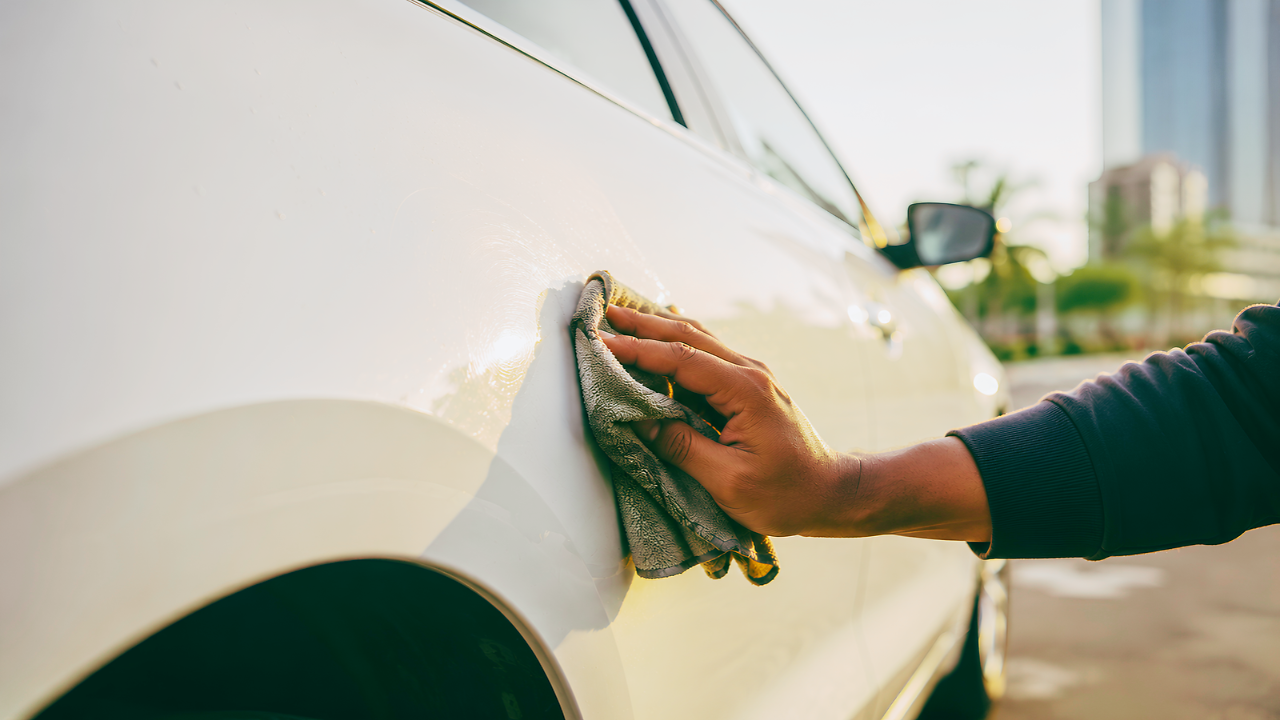
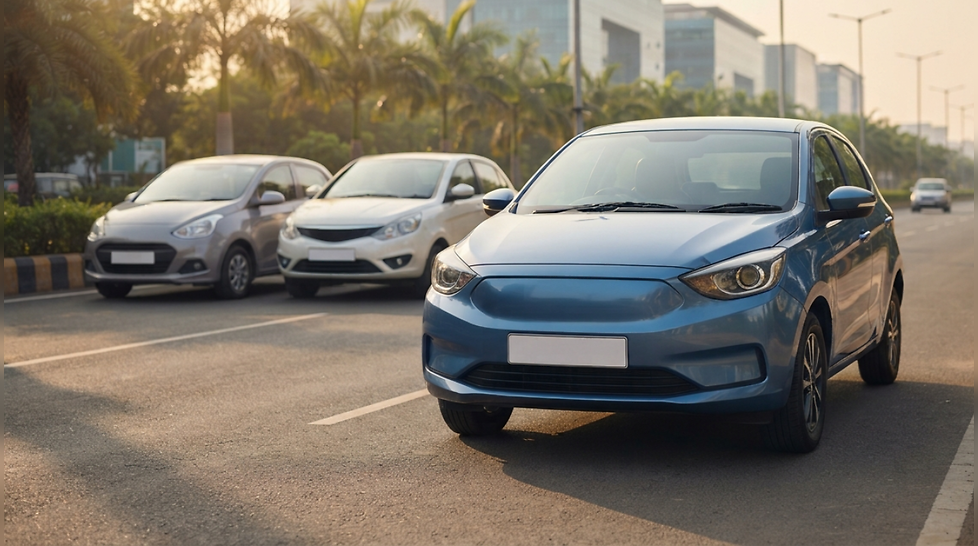
7 Mistakes That Can Damage Your Car’s Paint: Car Maintenance Guide (image for representation only)
Your car's paint is constantly exposed to dust, sunlight, rain, pollution and road contaminants. While some of these factors are unavoidable, the way you wash, clean and maintain your vehicle can also affect the condition of its exterior.
Many car owners unknowingly follow cleaning practices that can damage the paintwork over time. Using household detergents, wiping dust with a dry cloth or leaving bird droppings on the surface for days are some common examples. These habits can result in scratches, swirl marks, stains and fading.
The paintwork also acts as a protective layer for the underlying body panels. Therefore, maintaining it is not just about keeping the car looking clean but also about protecting its exterior from environmental damage.
Here are seven common mistakes that car owners should avoid to maintain their car's paint in good condition.
1. Using Dishwashing Liquid Instead Of Car Shampoo
Using dishwashing liquid to wash a car is one of the most common mistakes made by car owners. Since these products are easily available at home, many people use them as an alternative to dedicated car cleaning shampoos.However, dishwashing liquids are formulated to remove grease and food residue. Frequent use on automotive paint can strip away protective layers such as wax and leave the surface without its additional protection.
Instead of using household cleaning products, car owners should opt for a dedicated car shampoo. These products are formulated for automotive surfaces and are generally better suited for regular washing.
What should you use?
- Use a car-specific shampoo for regular washing.
- Prefer products compatible with your car's
paint protection treatment. - Follow the recommended dilution ratio.
- Avoid strong household detergents and abrasive cleaning products.
2. Washing Your Car With A Dirty Cloth Or Sponge
Using a dirty cloth or sponge can cause scratches on your car's paintwork. Dust, sand and other small particles can get trapped in the cleaning material. When you wipe the vehicle, these particles move across the painted surface and can leave fine scratches.Repeatedly using contaminated cleaning equipment can also result in swirl marks. These circular marks are particularly noticeable under direct sunlight and can affect the overall appearance of the paint.
To avoid this, use a clean microfiber wash mitt or a soft sponge specifically meant for automotive cleaning. It is also advisable to use separate cleaning materials for the body panels and wheels, as brake dust and road grime can be abrasive.
How to avoid this mistake:
- Always use clean microfiber cloths or wash mitts.
- Rinse the cleaning material frequently during washing.
- Use separate cloths for the wheels, tyres and body panels.
- Wash microfiber towels after every cleaning session.
- Avoid using rough or old towels on painted surfaces.
3. Washing Your Car In Direct Sunlight
Washing your car under direct sunlight can affect the cleaning process. When the body panels are hot, water and shampoo can evaporate quickly, leaving behind soap residue and water spots.This is particularly relevant in India, where vehicles are often exposed to high temperatures during summer. Water containing minerals can leave deposits on the paint when it dries naturally.
It is therefore advisable to wash your vehicle in a shaded area. If the car has been parked in direct sunlight, allow the body panels to cool down before starting the cleaning process.
What should you do?
- Wash your car in a shaded or covered area.
- Avoid washing immediately after driving under strong sunlight.
- Clean one section at a time and rinse it before the shampoo dries.
- Use a clean microfiber drying towel after washing.
- Do not allow water to evaporate naturally on the body panels.
4. Dry Wiping Dust From Your Car
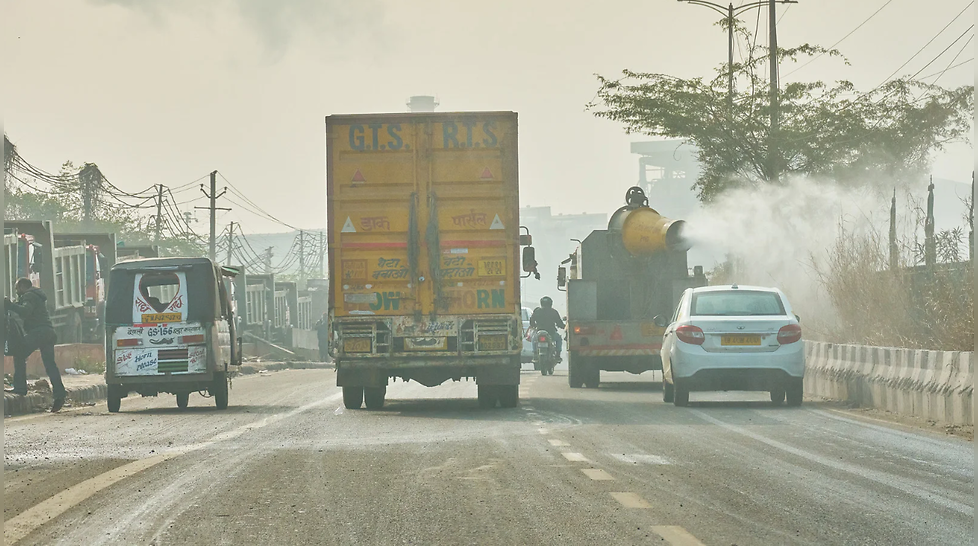
Dust accumulation is a regular occurrence, particularly in cities with high pollution levels and construction activity. Many car owners use a dry cloth to remove dust from the bonnet, roof and doors between washes.However, this practice can cause fine scratches on the paintwork. Dust and dirt contain small abrasive particles that can be dragged across the surface when wiped without water or a suitable cleaning solution.
Repeated dry wiping can gradually affect the clear coat and result in swirl marks.
If your car has accumulated dust, rinse it with water before using a wash mitt. For light dust accumulation, an automotive waterless cleaning product can also be used according to the manufacturer's instructions.
How should you clean a dusty car?
- Rinse the vehicle to remove loose dirt and dust.
- Use a car shampoo and clean microfiber wash mitt.
- Avoid applying excessive pressure while cleaning.
- Use a suitable waterless wash product for light dust accumulation.
- Never wipe a dusty car with a dry cloth.
5. Leaving Bird Droppings And Insect Remains On The Paint
Bird droppings are among the common environmental contaminants that can damage a car's paintwork. They can become difficult to remove once they dry, while prolonged exposure, particularly under high temperatures, can cause staining and etching of the clear coat.Insect remains can also affect the exterior finish if left on the vehicle for extended periods. Their residue can stick to the painted surface and become harder to remove over time.
The best approach is to clean these contaminants as soon as possible rather than waiting for the next scheduled car wash.
How to remove bird droppings safely:
- Place a damp microfiber cloth over the affected area.
- Allow the residue to soften.
- Gently wipe it away without applying excessive pressure.
- Wash the area with car shampoo if required.
- Dry it using a clean microfiber towel.
Avoid scraping dried bird droppings or insect remains with your fingernails or sharp objects, as this can scratch the paint.
6. Frequently Using Brush-Based Automatic Car Washes
Automatic car washes are convenient for people who do not have the time to clean their vehicles manually. However, not all automatic car washes use the same cleaning process, and some can affect the paint finish.Brush-based systems may accumulate dirt and debris from vehicles cleaned earlier. If these particles come in contact with another vehicle's painted surface, they can cause fine scratches and swirl marks.
This does not mean every automatic car wash is harmful. Touchless systems and properly maintained facilities can be suitable alternatives, although the cleaning chemicals and water pressure used also matter.
A properly performed hand wash generally offers greater control over the cleaning process.
What should car owners consider?
- Prefer properly maintained car wash facilities.
- Avoid systems with visibly dirty brushes or cleaning equipment.
- Consider touchless car washes where suitable.
- Check whether the cleaning chemicals are compatible with your vehicle's paint protection.
- Follow the vehicle manufacturer's recommendations, particularly if your car has a matte paint finish.
7. Ignoring Tree Sap, Road Tar And Chemical Spills
Your car's paint is exposed to several contaminants beyond dust and bird droppings. Tree sap, road tar, fuel spills, industrial fallout and other chemical substances can stick to the body panels and affect the exterior finish.Parking under trees, for instance, can expose the vehicle to sticky sap and other deposits. Similarly, driving on recently repaired or tar-covered roads can leave stubborn marks on the lower body panels.
Fuel spills during refuelling should also be cleaned promptly. Leaving such substances on the paint for extended periods can increase the risk of staining or surface damage.
Using household chemicals, petrol or sharp objects to remove stubborn stains can make matters worse.
How to prevent paint damage:
- Avoid parking under trees whenever possible.
- Remove tree sap and road tar using suitable automotive cleaning products.
- Clean fuel spills promptly with water.
- Remove industrial deposits and road contaminants without aggressive scrubbing.
- Avoid using thinner, petrol or harsh household chemicals on painted surfaces.
- Seek professional assistance if a stain cannot be removed safely.
How To Maintain Your Car's Paintwork?
Avoiding these seven mistakes can help maintain your vehicle's exterior finish. However, regular cleaning and a few additional precautions can further reduce the chances of paint damage.Here are some basic practices that car owners should follow:
- Wash your car regularly: Do not allow dust, mud and other contaminants to accumulate on the painted surfaces for extended periods.
- Park in covered areas: Whenever possible, park your vehicle in a covered or shaded location to reduce prolonged exposure to sunlight and environmental contaminants.
- Use the right cleaning products: Always choose automotive-specific shampoos, cleaners and microfiber cloths.
- Consider paint protection: Wax, paint sealants, ceramic coatings and Paint Protection Film (PPF) can offer additional protection, depending on the product and application.
- Inspect the paintwork: Check for scratches, stone chips and paint damage during regular cleaning. Address deeper damage before it leads to corrosion.
- Clean contaminants promptly: Bird droppings, tree sap, insect remains and fuel spills should not be left on the painted surface unnecessarily.
Maintaining your car's paint does not necessarily require expensive detailing treatments. Following the correct washing techniques, using suitable cleaning products and addressing contaminants promptly can go a long way in preserving the exterior finish.



Log in to post a comment.
End of Article
Trending

Which Are the Best Bikes for Bad Roads and Rough Terrain in India

Which Is the Best First Car to Buy in India?

Which Are the Best Bikes for College Students in India?

Which Are the Best Sedans Under Rs 15 Lakh in India?

Denza D9 vs MG M9 Spec Comparison: What’s Different?
How to Change Your Car's Flat Tyre in 7 Simple Steps

Which Are the Best Diesel Cars in India Under Rs 20 Lakh?
Popular





STAY UPDATED Get the latest news from Times Drive