New Delhi


Bajaj Pulsar NS400Z vs Triumph Speed 400 Spec Comparison: What’s Different?
The Bajaj Pulsar NS400Z and Triumph Speed 400 are two notable contenders in India's commuter motorcycle market. The Pulsar features a 373cc engine, improved power output, and advanced tech, including a quick-shifter and multiple ride modes. In contrast, the Speed 400, with a larger 398.15cc engine, offers premium performance through sophisticated fuel injection but lacks ride modes. Both bikes boast modern chassis designs and effective braking systems. Pricing reflects their market positions, with Pulsar being more affordable, while each model presents unique aesthetic options.

Keshav Rajput
Updated Jul 29, 2025, 08:16 AM IST
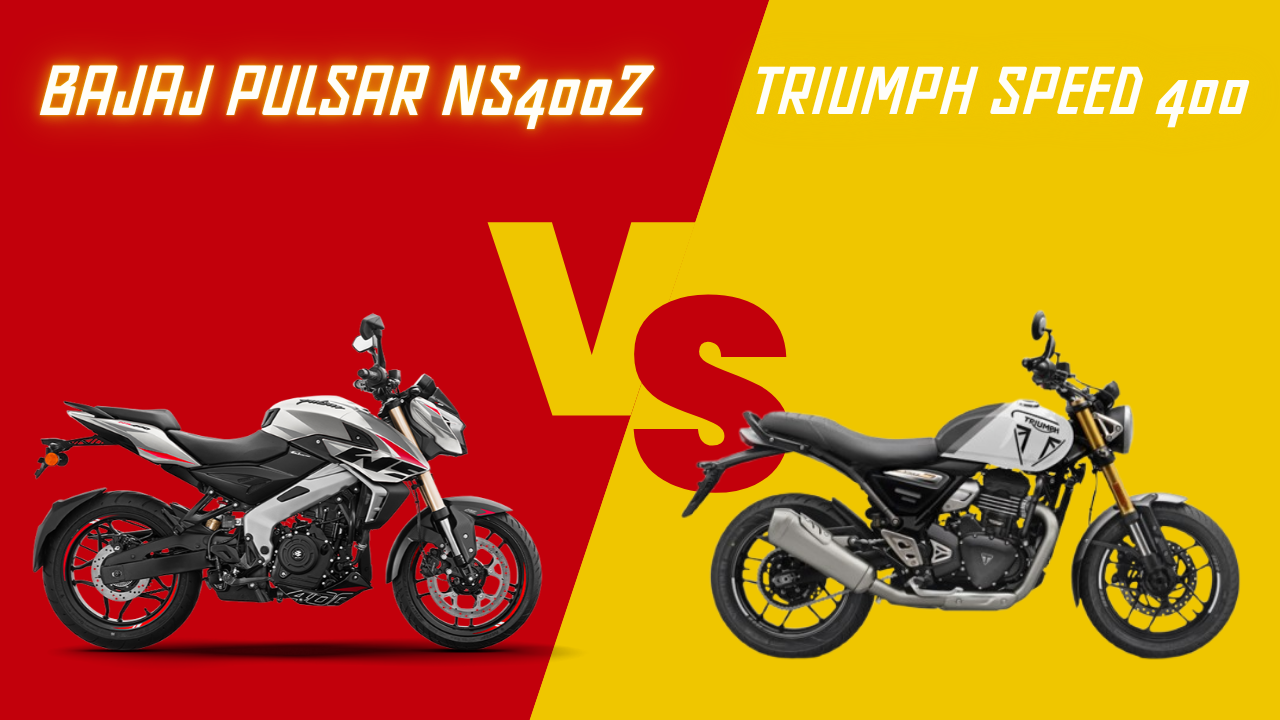
Bajaj Pulsar NS400Z vs Triumph Speed 400 Spec Comparison: What’s Different?
Two popular names in India’s performance commuter segment, Bajaj Pulsar NS400Z and Triumph Speed 400. While the Pulsar NS400Z focuses on homegrown innovation with segment-first tech at a competitive price, the Speed 400 comes with global engineering under Triumph’s modern classic badge. Here's how the two compare in terms of specs, performance and equipment.

People Also Search
How does the Bajaj Pulsar NS400Z compare with the KTM 390 Duke in terms of engine performance?
What additional features does the Hero Mavrick 440 offer compared to the Triumph Speed 400?
What are the differences in suspension systems between the Bajaj Pulsar NS400Z and the KTM 390 Duke?
What are the new features introduced in the 2025 iteration of the Bajaj Pulsar NS400Z?
How does the pricing of the Triumph Speed 400 compare with other models in the 400cc segment?
Bajaj Pulsar NS400Z vs Triumph Speed 400: Engine
The Pulsar NS400Z is powered by a 373cc single-cylinder engine that now puts out 42.4 bhp at 9,000rpm, an increase from the earlier 39.5 bhp but Torque remains the same at 35Nm. Bajaj has increased the redline from 9,700rpm to 10,700rpm in Sport mode, while other modes have a redline of 10,300rpm. Bajaj claims that the new Pulsar NS400Z can accelerate from 0 to 60 kmph in 2.7 seconds earlier it was 3.2 seconds. On the other hand, the Triumph Speed 400 is powered by a 398.15cc single-cylinder, liquid-cooled engine that delivers 39.4 bhp at 8,000 rpm and 37.5 Nm of torque at 6,500 rpm paired with a 6-speed gearbox with a slip-and-assist clutch. Though slightly less powerful on paper, Triumph’s Bosch electronic throttle and advanced fuel injection system ensure smooth performance and refinement, typical of a premium brand.
Bajaj Pulsar NS400Z vs Triumph Speed 400: Chassis and Suspension
The new Bajaj Pulsar NS400Z sits on a perimeter frame with 43 mm USD forks and a monoshock setup. The chassis is tuned to complement the new power upgrade with better stopping ability through sintered brake pads up front. Meanwhile, the Triumph Speed 400 is underpinned by a hybrid spine/perimeter frame with 43 mm Big Piston USD forks at the front and a gas-charged monoshock with an external reservoir at the rear. This setup provides 130 mm of front and 120 mm of rear wheel travel, making the ride more compliant and stable over varied surfaces.
Bajaj Pulsar NS400Z vs Triumph Speed 400: Braking and Tyres
On the Pulsar NS400Z, braking is managed by disc brakes on both ends, aided by dual-channel ABS. The new model features radial tyres, including a wider 150-section rear for enhanced grip and cornering feedback. The Speed 400 also features dual-channel ABS, with a 300 mm front disc and a 230 mm rear disc. It rides on 17-inch cast alloy wheels with a 110/80 tyre at the front and a 150/70 tyre at the rear comparable to the Pulsar in terms of rubber width and grip potential.
Bajaj Pulsar NS400Z vs Triumph Speed 400: Features and Electronics
Bajaj’s latest update brings a segment-first clutch-less full-throttle quick-shifter to the NS400Z, but it works only in Sports mode. The bike also comes equipped with a digital LCD console offering Bluetooth connectivity, turn-by-turn navigation, music control, lap timer and four ride modes: rain, road, off-road and sport. The Speed 400, in contrast, gets a simpler analogue speedometer with a multifunction LCD screen. Triumph Speed 400 misses out on multiple ride modes or navigation, opting instead for a classic, minimalist display.
Bajaj Pulsar NS400Z vs Triumph Speed 400: Dimensions and Practicality
The Pulsar NS400Z has a seat height of 807 mm and weighs 174 kg (kerb). It comes with a 12-litre fuel tank and 168 mm of ground clearance. The Speed 400 sits slightly lower at 803 mm seat height but is heavier at 179 kg (wet). It gets a marginally larger 13-litre tank and a longer 1386 mm wheelbase, offering more highway stability and a neutral riding posture.
Bajaj Pulsar NS400Z vs Triumph Speed 400: Pricing and color options
Bajaj Pulsar NS400Z is priced at Rs 1,92,328 (ex-showroom, Delhi), and is available in 4 color options: Black, red, white and Grey. Meanwhile, the Triumph Speed 400 is priced at Rs 2.46 lakh (ex-showroom), it is also available in 4 colors: Racing Red / Pearl Metallic White, Pearl Metallic White / Pewter Grey, Phantom Black / Pewter Grey and Racing Yellow / Pearl Metallic White.
Log in to post a comment.
End of Article
Trending

EV Diwali 2026: 5 Most Affordable Electric Cars You Can Buy in India

5 Most Affordable Hybrid Cars You Can Buy in India This Diwali
5 Most Affordable Cars with Sunroofs to Buy This Diwali
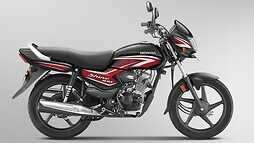
Which Are the Best Bikes Under Rs 1 Lakh
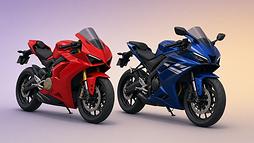
Which Are the Most Affordable Superbikes in India

New Car Delivery Checklist: How to Do a Pre-Delivery Inspection (PDI) Step by Step
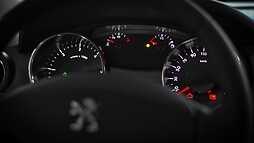
Car Dashboard Warning Lights: What Each Symbol Means and What to Do
Popular



STAY UPDATED Get the latest news from Times Drive