New Delhi


How Long Do Electric Car Batteries Last in India? Life, Degradation and Warranty Explained
In India, electric vehicles (EVs) are gaining traction, yet battery life is a significant concern for potential buyers. EV batteries typically last between 8 to 15 years, influenced by factors such as driving habits and temperature.

Updated Oct 26, 2026, 10:50 AM IST
How Long Do Electric Car Batteries Last in India? Life, Degradation and Warranty Explained
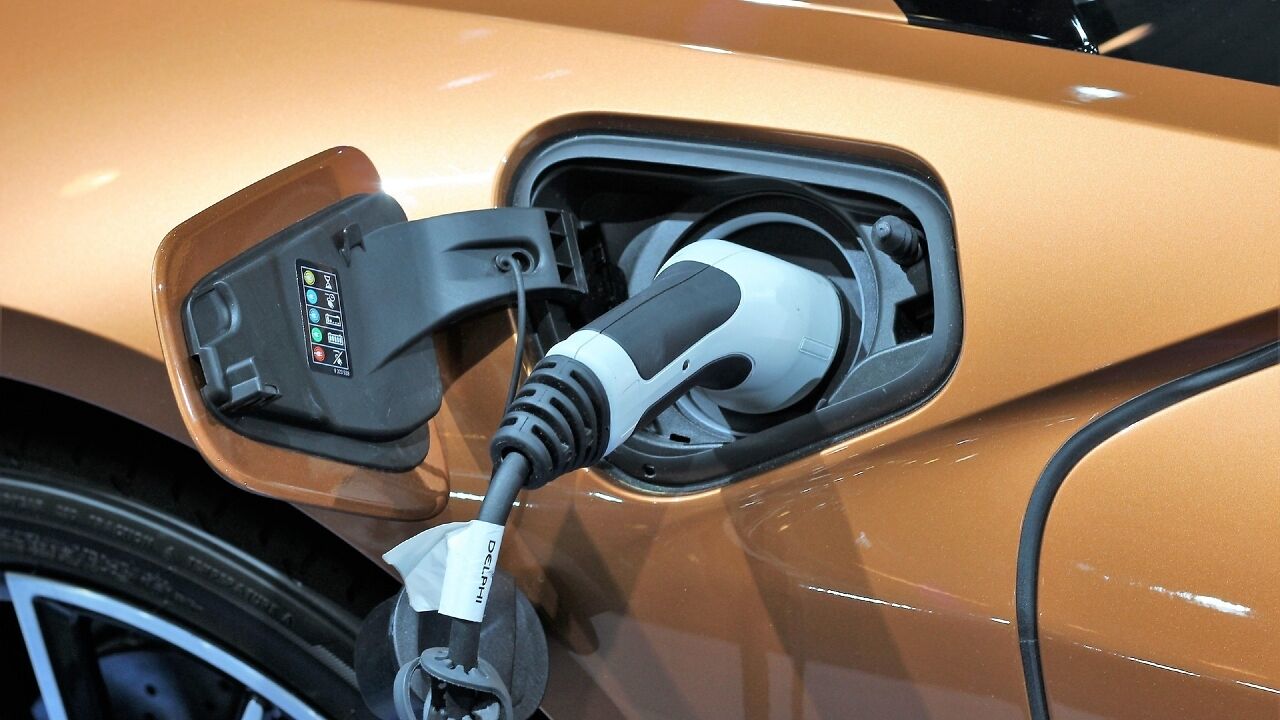
Electric cars are becoming more popular in India, but battery life remains one of the biggest concerns for buyers. Unlike a petrol or diesel car, an electric vehicle (EV) depends on a high-voltage battery pack, which can be expensive to repair or replace. This makes battery durability, degradation and warranty coverage important factors to consider before buying an EV.
The good news is that an electric car battery is designed to last for several years. However, its actual lifespan depends on factors such as charging habits, temperature, driving conditions, battery chemistry and maintenance. Manufacturers also offer battery warranties that can protect owners against certain defects and excessive capacity loss.
Here is everything you need to know about electric car battery life in India, what manufacturers cover under warranty and how you can help your EV battery last longer.
How long does an electric car battery last?
| Battery-related factor | What it means for owners |
| Typical battery lifespan | Around 8–15 years, depending on usage and conditions |
| Battery degradation | Gradual reduction in the battery's ability to store energy |
| 80% state of health | A battery originally rated at 50kWh retains approximately 40kWh of capacity |
| Driving range | May decrease as usable battery capacity declines |
| Warranty period | Often 8 years, with kilometre limits varying by manufacturer |
| Battery replacement | May be expensive if the issue is not covered under warranty |
It is important to understand that battery life does not end as soon as its capacity starts declining. Like a smartphone battery, an EV battery gradually loses some of its ability to store energy over time. This process is known as battery degradation.
For example, if an electric car originally has a usable battery capacity of 50kWh and its state of health (SOH) falls to 80%, it would retain approximately 40kWh of its original capacity, assuming the same capacity measurement basis. This can reduce the car's driving range, although the actual range also depends on driving style, weather, speed and air-conditioning use.
Battery degradation is not the same for every electric car. Battery chemistry, cooling systems, charging behaviour and the manufacturer's battery management software can all influence how quickly capacity declines.
For buyers in India, the battery warranty is an important starting point when evaluating long-term ownership costs. Several manufacturers offer warranties of eight years or 1.6 lakh km, while some newer models have lifetime battery warranty programmes for the first registered owner, subject to specific conditions.
It is worth remembering that battery warranty duration and actual battery lifespan are two different things. A battery may continue to work after its warranty expires, but any repair or replacement costs outside the warranty could fall on the owner.
What does an EV battery warranty cover?
| Warranty features | What buyers should check |
| Manufacturing defects | Whether battery faults caused by defective components are covered |
| Capacity retention | Whether a minimum state of health, such as 70%, is guaranteed |
| Repair or replacement | Whether the manufacturer repairs the battery or replaces cells or the complete pack |
| Time limit | The number of years covered |
| Distance limit | The kilometre limit, if applicable |
| Ownership transfer | Whether coverage continues after the vehicle is sold |
| Exclusions | Damage caused by misuse, unauthorised repairs or failure to follow prescribed instructions |
For example, Tata Motors' current lifetime high-voltage battery warranty policy specifies a minimum 70% state of health threshold. If the battery falls below this level during the applicable warranty period, the company may repair or replace the battery under its terms and conditions. Tata defines lifetime as 15 years from the vehicle's first registration for eligible models.
However, not every battery warranty offers identical protection. Buyers should check the following details before making a purchase:
- Warranty period: The number of years or kilometres covered, whichever comes first, unless the policy specifies otherwise.
- Capacity retention: Whether the manufacturer guarantees a minimum percentage of the battery's original capacity.
- Repair or replacement: Whether the company will repair the pack, replace cells or replace the complete battery.
- Ownership transfer: Whether the warranty continues if the car is sold to another person.
- Usage conditions: Whether the warranty applies to private vehicles only or also covers commercial and fleet use.
Which electric cars offer long battery warranties in India?
The following comparison covers selected electric cars sold or offered in India. Battery chemistry and capacity are listed where published information is available. Warranty conditions can vary by variant, registration date and ownership type, so buyers should verify the applicable owner's manual and warranty document before purchasing.
Note: “Lifetime” is a manufacturer-defined warranty term, not an unlimited guarantee for the physical life of the battery. The table reflects published policies available on 26 October 2026. Where chemistry or a model-specific capacity-retention threshold is not established by the cited document, it has not been assumed.
A long warranty can offer peace of mind, but it should not be the only factor in your decision. Compare the battery size, charging options, real-world range, service support and the exact conditions that apply if you sell the car before the warranty expires.
What affects EV battery degradation?
Battery degradation is a gradual process, but its speed depends on several factors. In India, high summer temperatures, frequent fast charging and prolonged exposure to extreme states of charge are particularly important considerations.
1. High temperatures
Heat can accelerate the chemical reactions that cause lithium-ion batteries to lose capacity. Cars parked outdoors in hot weather may experience greater thermal stress, particularly if the battery cooling system cannot keep temperatures within its preferred operating range.
Battery thermal management systems help control this risk, although their effectiveness varies by vehicle.
2. Frequent DC fast charging
DC fast charging is useful when travelling long distances, but repeated high-power charging can increase battery stress, especially when the battery is hot or nearly fully charged.
This does not mean owners should avoid fast chargers altogether. Using them when needed is normal; the aim is to avoid unnecessary charging stress over the long term.
3. Keeping the battery fully charged or nearly empty
Leaving an EV at 100% charge for extended periods can increase battery stress, particularly with certain lithium-ion chemistries. Similarly, allowing the battery to remain at a very low charge level for long periods is best avoided.
The recommended charging range depends on the battery chemistry and the manufacturer's instructions. Some vehicles also recommend periodic full charging to calibrate the battery management system.
4. Battery chemistry
Two common lithium-ion battery chemistries are lithium iron phosphate (LFP) and nickel manganese cobalt (NMC).
LFP batteries generally offer longer cycle life and good thermal stability, while NMC batteries typically provide higher energy density. However, the actual lifespan depends on cell quality, pack design, thermal management and usage, not just chemistry.
5. Driving habits and charging patterns
Frequent hard acceleration, high-speed driving and repeated heavy power demands can increase energy consumption and battery temperature. These factors do not automatically damage a battery, but sustained high loads combined with heat can contribute to degradation.
Driving style also affects the range displayed by the car. A reduction in range does not necessarily mean the battery has lost the same percentage of its capacity.
How can you keep an EV battery healthy?
A few practical habits can help slow battery degradation and preserve usable range over the years.
- Follow the recommended charging limit: Use the daily charging limit advised in your owner's manual rather than automatically charging to 100% every day.
- Avoid prolonged exposure to extreme charge levels: Do not leave the battery fully charged or nearly empty for extended periods unless the manufacturer recommends it for a specific purpose.
- Use fast charging when necessary: Home AC charging is convenient for regular use, while DC fast charging is helpful for long journeys.
- Park in the shade where possible: Covered parking can reduce exposure to intense heat. Use the vehicle's battery preconditioning or thermal management features where available.
- Follow the manufacturer's maintenance schedule: Battery cooling systems, electrical connections and software updates should be checked as recommended.
- Avoid deep discharges: Plan charging stops before the battery becomes critically low, particularly during long journeys.
- Monitor battery health: If the vehicle provides a battery health report, check it periodically. A sudden or unusually large drop in estimated range should be investigated rather than automatically attributed to degradation.
It is also important not to apply the same charging rules to every EV. Some manufacturers recommend different charging practices depending on the battery chemistry and battery management system. The owner's manual should take priority over general advice.
FAQs
1. Can an electric car battery last 15 years in India?
Yes, an EV battery can last 15 years, depending on its design, usage, maintenance and operating conditions. However, there is no guarantee that every battery will retain the same capacity for that long.
2. How much does an EV battery degrade in five years?
There is no single degradation rate that applies to every electric car. Battery chemistry, temperature, charging habits, mileage and thermal management all influence the result. Owners should use manufacturer-provided battery health data rather than relying on a universal annual degradation estimate.
3. Does an EV battery warranty cover replacement?
It can cover battery repair or replacement if the issue meets the warranty conditions. Some policies cover manufacturing defects, while others also cover capacity falling below a specified threshold. Normal capacity loss may not qualify for a claim.
4. What happens when an EV battery warranty expires?
The car can continue to operate after the warranty expires if its battery remains functional. However, any repair or replacement that is not covered by another applicable warranty may have to be paid for by the owner.
5. Does an EV battery warranty transfer to the next owner?
That depends on the manufacturer. Some warranties become limited to a specified number of years and kilometres after the vehicle changes hands. Other programmes require the new owner to notify the manufacturer or complete an ownership-transfer process.
6. Is LFP better than NMC for battery life?
LFP batteries generally offer longer cycle life and good thermal stability, while NMC batteries offer higher energy density. Neither chemistry guarantees a longer real-world lifespan in every vehicle because cooling systems, battery management and usage also matter.
7. Is charging an electric car to 100% harmful?
Occasional full charging is not automatically harmful. However, regularly keeping a battery at 100% for extended periods may accelerate degradation in some vehicles. Follow the charging recommendations for your specific model, particularly if it uses LFP chemistry.
8. How can I check the battery health of a used electric car?
Ask for a battery state-of-health report from an authorised service centre, check the vehicle's diagnostic data where available, and review its charging and service history. Also confirm the remaining battery warranty, whether it transfers to you, and the conditions under which a claim can be made.
Log in to post a comment.
End of Article
Trending

Which Are the Most Affordable Sports or Fully Faired Bikes in India
Petrol vs Diesel vs CNG vs Electric: Which Car Fuel Type Is Right for You?

Hyundai Creta vs Volkswagen Virtus Spec Comparison: What's Different?

Which Are the Most Affordable Cruiser Bikes in India

Renault Duster Hybrid vs Toyota Urban Cruiser Hyryder Hybrid Spec Comparison: What's Different?

Best Cars Under Rs 8 Lakh in India in 2026: Price, Mileage, Safety and Features

Kia Seltos vs Mahindra Scorpio-N Spec Comparison: What's Different?
Popular



STAY UPDATED Get the latest news from Times Drive