New Delhi


Brake the Habit: Pick a Lane and Stick to it
The ‘Brake the Habit’ initiative promotes safer driving by addressing common issues like sudden lane changes. The article highlights that a lapse in focus, road hypnosis, and not using indicators are key causes of accidents. It encourages drivers to maintain concentration, scan their surroundings, and always use turn signals to prevent collisions and make roads safer.

Times Drive Desk
Updated Sep 1, 2025, 09:17 PM IST
Brake the Habit: Pick a Lane and Stick to it
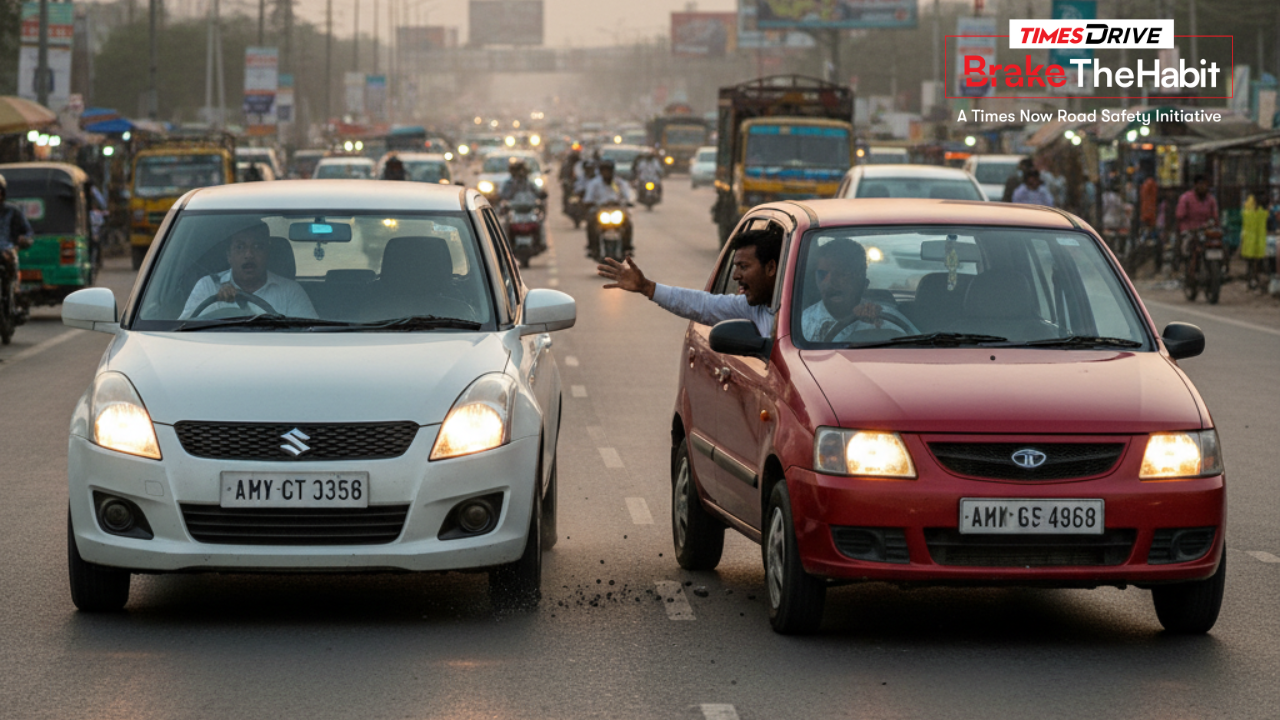
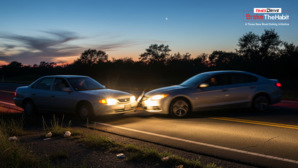
Picture this: You have to hard brake to avoid a sudden collision due to a car suddenly veering into your lane at high speed without warning which is a sure way of turning your peaceful drive into a moment of panic!

People Also Search
What are the consequences of wrong-side driving and how can it be prevented?
How does speeding affect fuel economy and vehicle maintenance?
What are the benefits of wearing a helmet while riding a two-wheeler?
What strategies can be employed to avoid distracted driving?
What impact does tripling on two-wheelers have on road safety?
The worst part is while you're left shaken, the other driver continues on their way completely unaware of the danger they created. Minor fender-benders to fatal multi-car pileups can be the result of sudden lane changes on highways and city roads alike.
The 'Brake the Habit' initiative aims to address and correct the dangerous behavior by promoting safer driving practices.
One of the primary causes of sudden lane changes is a lapse in concentration, which can be prevented with adjustments to your driving habits. Being cognizant of your surrounding and traffic flow is imperative. Talking on the phone, texting, or glancing at your device pulls your attention away from the road, even if only for a few seconds. For long journeys, it's vital to take regular breaks to avoid fatigue.
Another dangerous aspect of driving on the road you should be aware of is road hypnosis. A driver staring straight ahead at a road for an extended period, leading to a trance-like state where awareness and reaction time are severely diminished. Make a conscious effort to regularly check your surroundings—scan your mirrors, look at the cars around you, and pay attention to what's happening on the side of the road.
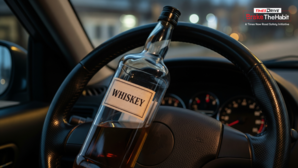
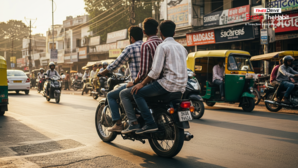
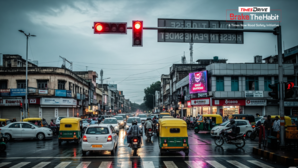
Finally, using your indicators is not optional; it's imperative. A turn signal is your way of communicating your intentions to other drivers. It's a simple, yet powerful, tool that alerts those around you that you are about to change lanes. This gives them enough time to react and adjust their speed, preventing the need for them to hard-brake and avoiding a potential accident. Making the use of indicators a non-negotiable part of your driving routine is one of the most effective ways to "Brake the Habit" and make our roads a safer place for everyone.
Log in to post a comment.
End of Article
Trending
Renault Duster Hybrid India Launch Tomorrow: Here's What to Expect

New Tesla Roadster Hits 0–60 Mph in 0.8 Seconds, Becomes the Quickest Accelerating Car in the World

Flying Car: Tesla Reveals New Roadster with Mind-Bending SpaceX Technology

BMW F 450 RR Revealed: Gets 48hp Engine, Sporty Design and Advanced Safety Features

Maruti Suzuki Brezza Facelift Crosses 1 Lakh Bookings in India

BS7 Emission Norms Proposed for April 2029: What Can Change for Cars in India?

Maruti Suzuki Brezza Crosses 15 Lakh Sales Milestone in India
Popular





STAY UPDATED Get the latest news from Times Drive