New Delhi


JCB Hydromax Sets New 653.9 Kmph Land Speed Record for Hydrogen Car
JCB Hydromax has set a new land speed record for hydrogen-powered vehicles, achieving an average speed of 653.9 kmph at the Bonneville Salt Flats. The Hydromax completed two runs, clocking speeds of 644 kmph and 663 kmph.

Atul Bandhu
Updated Aug 13, 2026, 09:06 PM IST
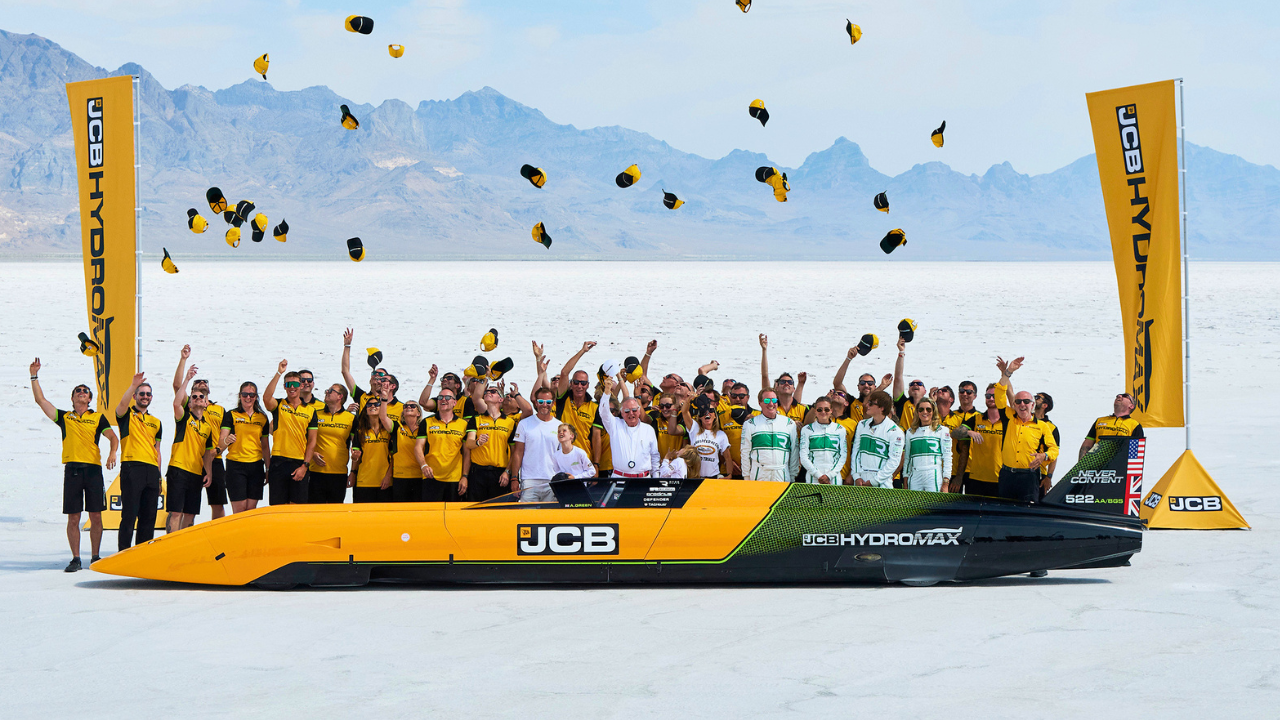
JCB Hydromax Sets New 653.9 Kmph Land Speed Record for Hydrogen Car
JCB has set a new land speed record for a hydrogen-powered internal-combustion vehicle. The company’s Hydromax streamliner achieved an average speed of 653.9 kmph at the Bonneville Salt Flats in Utah, USA. Wing Commander Andy Green, who also drove JCB’s Dieselmax to its diesel land speed record in 2006, was behind the wheel.
The Hydromax completed two runs in opposite directions as required under FIA regulations. It clocked 644 kmph on the first run and 663 kmph on the return run, resulting in an average of 406.320 mph, or 653.9 kmph.
The record is currently provisional and awaits final ratification by the Fédération Internationale de l'Automobile (FIA).
JCB Hydromax: H2ICE Powertrain
The Hydromax does not use a hydrogen fuel-cell powertrain. Instead, it uses hydrogen in an internal-combustion engine, similar in principle to a conventional petrol or diesel engine.
Power comes from two hydrogen-powered engines with a combined output of around 1,600 bhp. The engines are based on JCB’s production hydrogen combustion technology developed for its construction equipment.
The two engines have a combined displacement of 9.6 litres and use single-stage turbochargers developed for the high-altitude conditions at Bonneville. Each engine drives one axle and is paired with its own six-speed sequential gearbox.
JCB says the hydrogen combustion system produces no CO2 at the vehicle’s tailpipe. The actual emissions impact, however, also depends on how the hydrogen used by the vehicle is produced.
JCB Hydromax: Design
The Hydromax is around 9.75 metres long and has been developed specifically for high-speed runs. It uses a steel-frame chassis with a carbon-fibre monocoque sub-chassis for the driver.
Aerodynamics played an important role in the development of the streamliner. The windscreen, nose and underbody have been designed to manage airflow and reduce drag. Channels underneath the nose also help control salt being thrown up from the surface.
JCB also developed dedicated tyres for the Hydromax. These tyres expand as their speed increases, which requires the front wheel arches to be enlarged.
Instead of relying on conventional cooling through airflow, the Hydromax uses ice tanks. Around 250 kg of ice is required for each run to manage engine temperatures.
JCB says the vehicle consumes just over 2 kg of hydrogen during a complete record run and produces around 18 litres of water.
Previous Hydrogen Land Speed Record
The Hydromax has comfortably surpassed the previous FIA-recognised hydrogen internal-combustion record. That mark was set by the BMW H2R in 2004 at 298 kmph.
The JCB streamliner has also gone beyond the previously reported hydrogen fuel-cell land speed record of around 486 kmph.
The Hydromax had already reached 593 kmph during the Southern California Timing Association’s Bonneville Speed Week. That run helped JCB secure an SCTA record in the Blown Gas Streamliner category before the FIA attempt.
Log in to post a comment.
End of Article
Trending
New Audi Q3 India Launch Tomorrow: Here's What to Expect
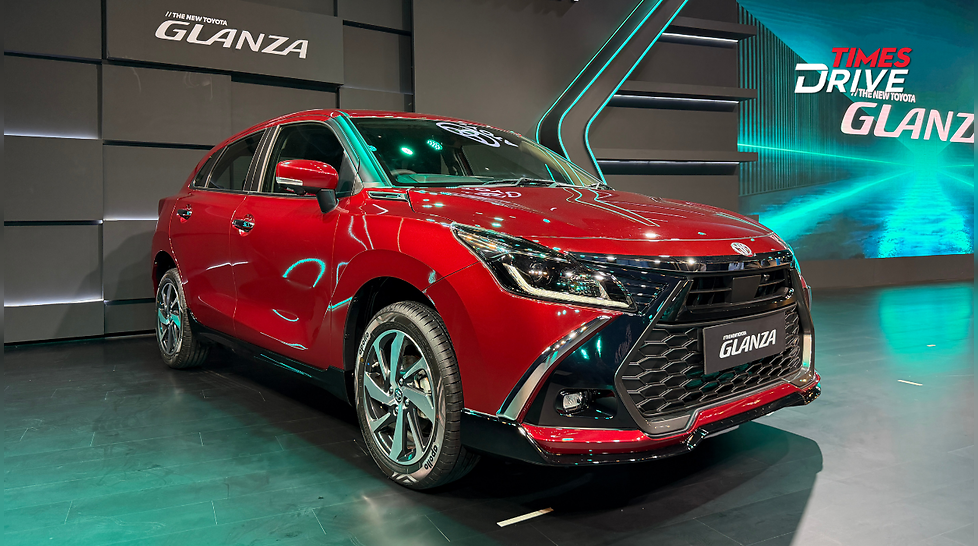
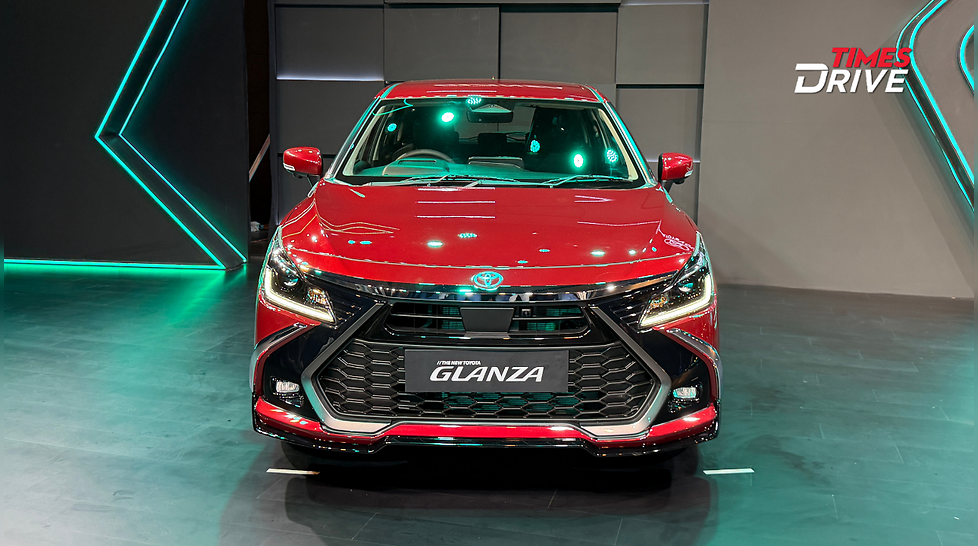
Toyota Glanza Facelift Variants Explained: What Does Each Variant Offer?
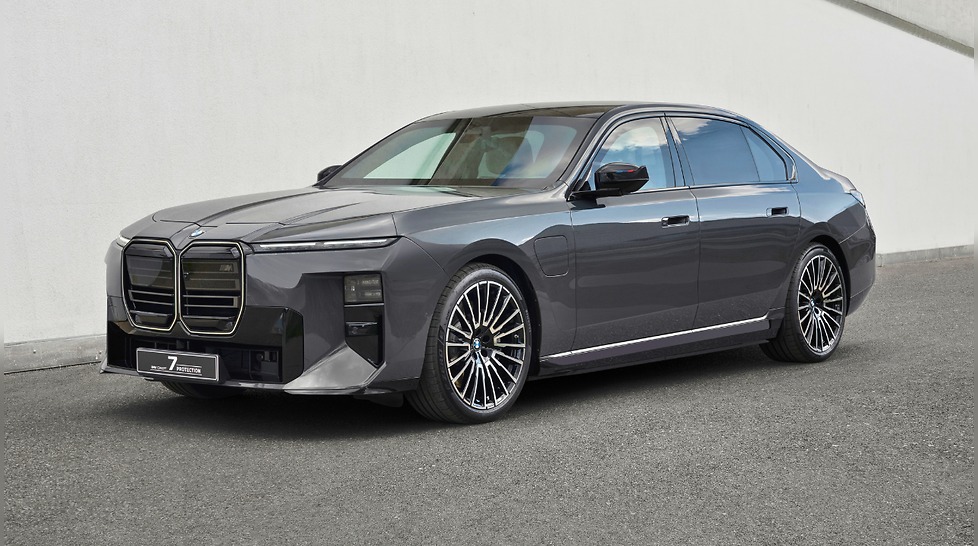
BMW Concept 7 Protection Armoured Sedan Unveiled
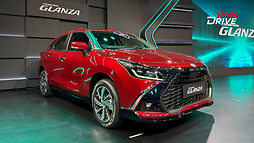
Toyota Glanza Facelift Launched in India: Top 5 Highlights
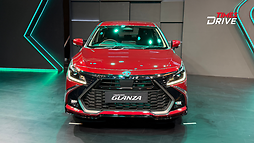
Toyota Glanza Facelift Launched at Rs 6.99 Lakh with Updated Design, Powertrain, Features and ADAS
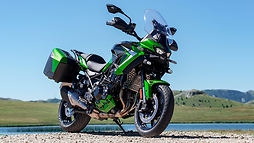
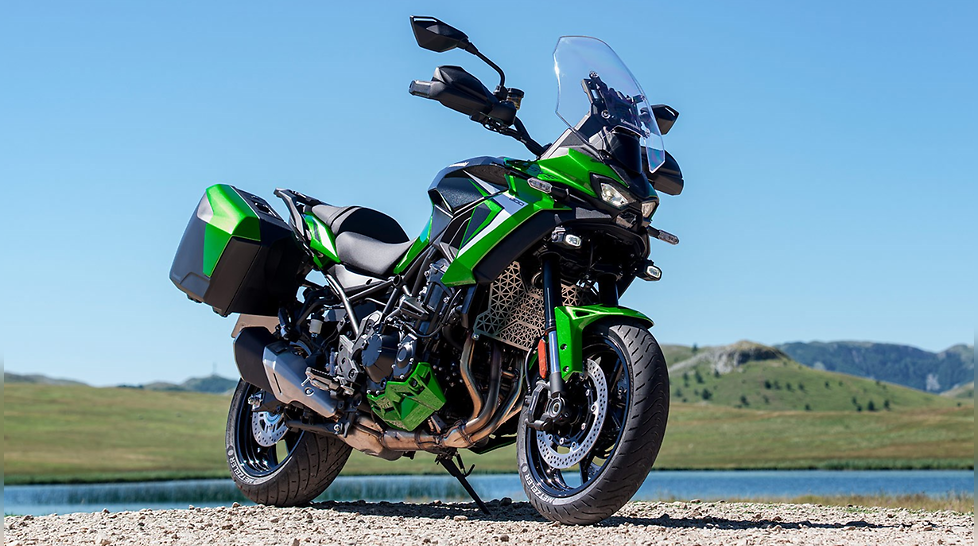
Kawasaki Versys 900 Unveiled with Radar Based Safety System

Tata Motors, Stellantis India Sign Deal to Develop Vehicles for Global Markets
Popular





STAY UPDATED Get the latest news from Times Drive