New Delhi


Next-Gen Kwid EV Debuts in Europe as Dacia Spring: Gets 250 Km Range, Bigger Design
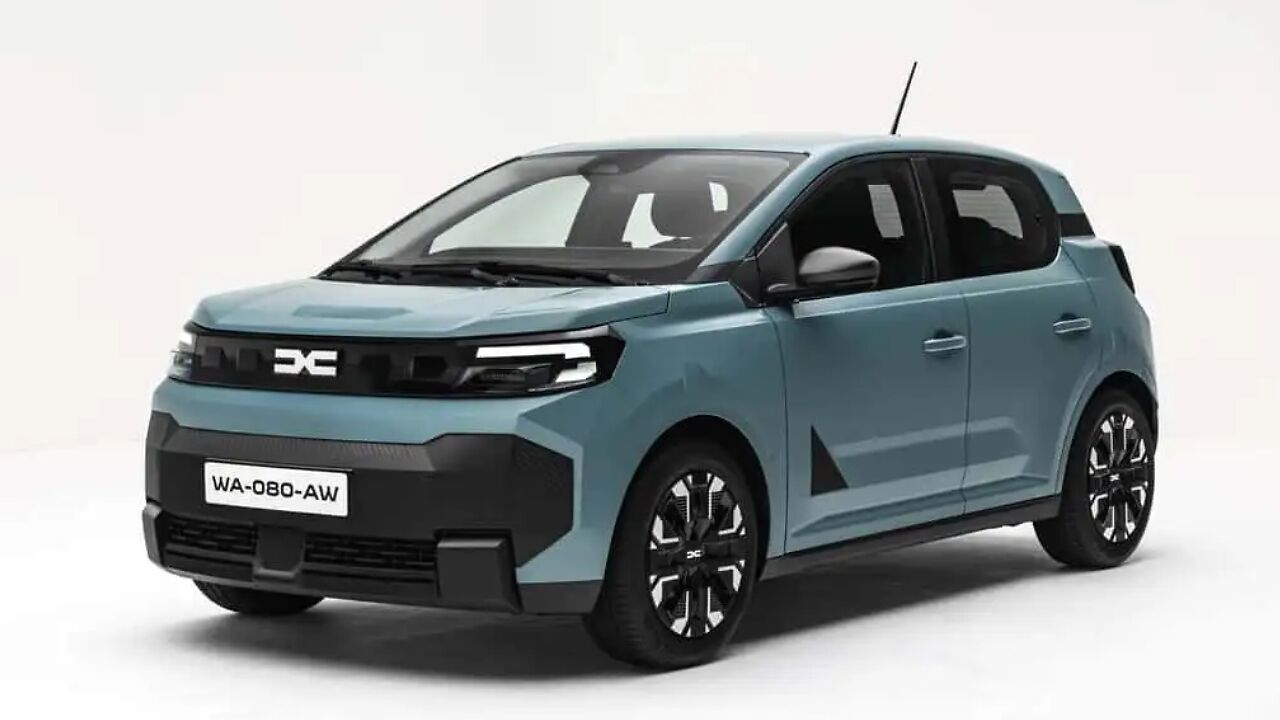
Dacia has introduced the second-generation Spring, an affordable electric hatchback priced under €20,000. This redesigned model features a 27.5 kWh battery, offering a WLTP range of up to 250 km, and is powered by a 60 kW motor.

Syed Wahab Ali
Updated Sep 9, 2026, 01:30 PM IST
Next-Gen Kwid EV Debuts in Europe as Dacia Spring: Gets 250 Km Range, Bigger Design
Dacia is bringing a fresh take to the affordable electric car segment with the unveiling of the second-generation Spring. The all-electric A-segment hatchback has been redesigned from the ground up while continuing to focus on keeping EV ownership accessible. With a starting price of under €20,000 (around US$22,000) before subsidies, the new Spring will be assembled in Slovenia.
Key Highlights:
- Second-generation
Dacia Spring unveiled as an affordable electric hatchback - Gets a 27.5 kWh LFP battery with up to 250 km WLTP range
- 60 kW motor produces 175 Nm of torque and offers a 130 km/h top speed
- Priced below €20,000 before subsidies; production to take place in Slovenia
New Dacia Spring: Exterior Design
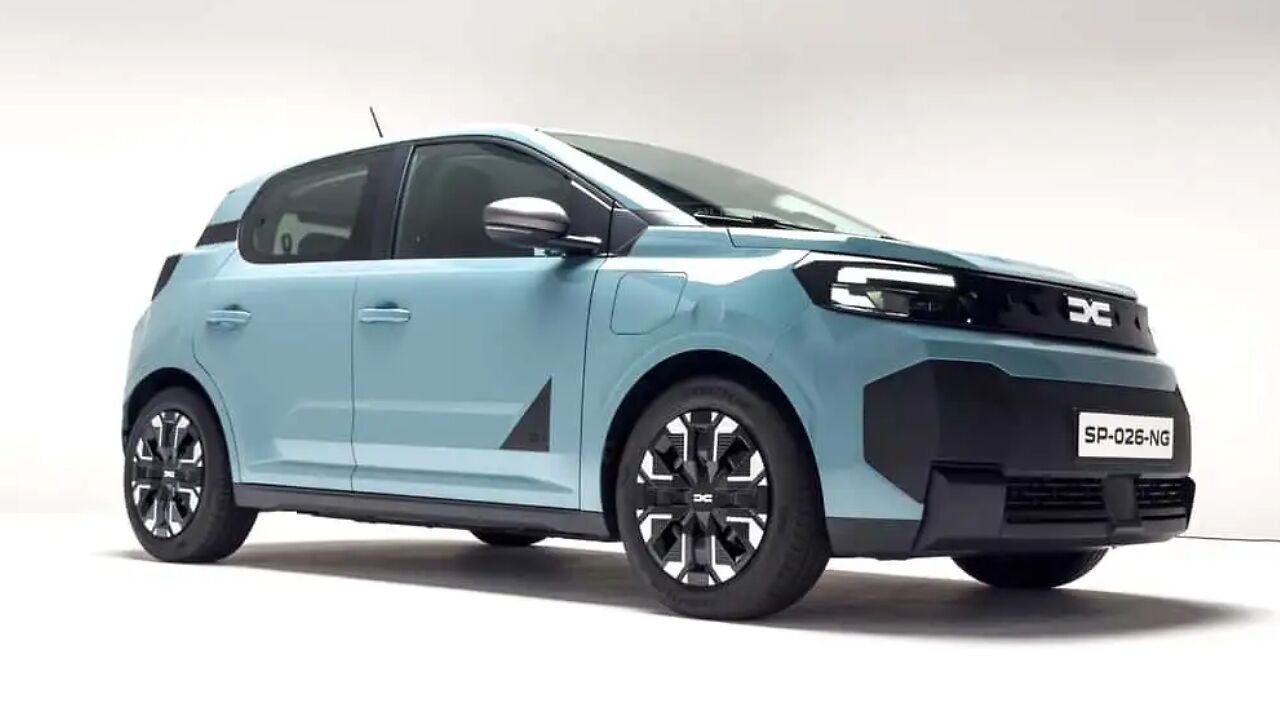
New Dacia Spring: Exterior Design
The new Dacia Spring looks significantly different from the model it replaces. The split-headlamp setup has been dropped in favour of a boxier and more rugged design with a short bonnet and cab-forward layout. At the front, the EV gets an upright fascia with an enclosed 3D grille that flows into the headlamps. The bumper features large sections of textured black plastic, along with slim air vents near the bottom. The bonnet is flatter and more upright than the one seen on the closely related Renault Twingo.
At the rear, the new Spring gets a chunky bumper and a thick strip of textured black plastic connecting the tail lamps. A pronounced rear haunch and roof-mounted spoiler complete the design. The lighting elements are also interesting. The LED units feature J-shaped lighting, while the lower surface uses a mirror effect to reflect the light and create a distinctive appearance.
The second-generation Spring is noticeably larger than the outgoing model. It measures 3.85 metres in length and 1.74 metres in width, giving it a more spacious footprint. The hatchback offers 337 litres of boot space, which can be increased to 1,283 litres by folding down the rear seats. The new Spring is based on Renault Group's RG-EV small-car platform and is the first Dacia model developed under a group programme targeting a design-to-production cycle of less than two years.
New Dacia Spring: Interior
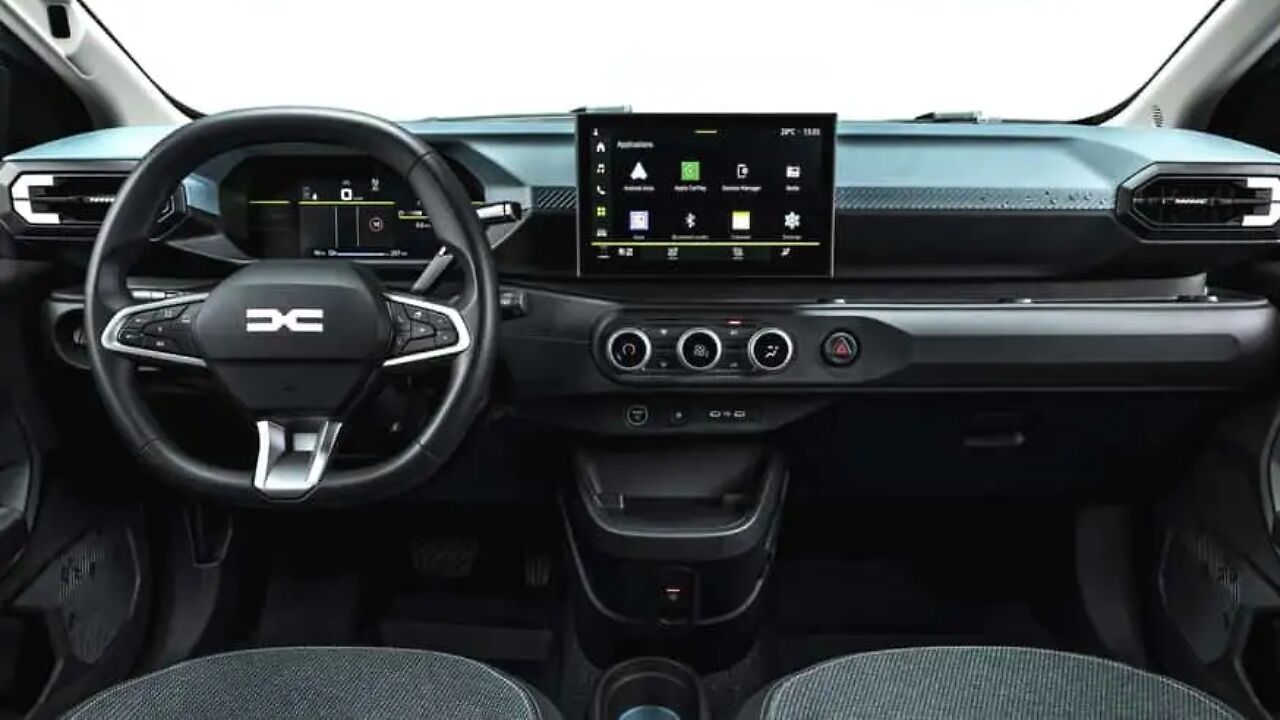
New Dacia Spring: Interior
The cabin of the new Spring shares much of its design with the latest Twingo, although Dacia has made some changes to give it its own identity. The flat, body-coloured dashboard panel from the previous model has been replaced by a more angular design with upholstery-matched trim. Other elements include a 7.0-inch digital instrument cluster and a 10.1-inch free-standing touchscreen.
The dashboard continues to have minimal central air-con vents, while the centre console gets a stacked layout with multiple storage spaces and an electric parking brake positioned towards the bottom.
New Dacia Spring: Powertrain and Performance
Power comes from a 60 kW electric motor that produces 175 Nm of torque. The car can accelerate from 0-100 km/h in 12.1 seconds and has a claimed top speed of 130 km/h. The motor is paired with a 27.5 kWh lithium iron phosphate (LFP) battery. Dacia claims an energy consumption figure of 12.7 kWh per 100 km under the WLTP cycle, allowing the Spring to deliver up to 250 km of range on a single charge. The car has a kerb weight starting at 1,212 kg, helping it maintain its focus on efficiency and affordability.
The standard Dacia Spring comes with a 6.6 kW AC charger. Using a domestic socket, charging from 15% to 80% takes around nine hours. Customers can also opt for a 50 kW DC fast-charging system. With this setup, the same 15-80% charging process takes around 28 minutes, making the Spring more practical for longer journeys.
New Dacia Spring: Variants
The new Dacia Spring will be available in two trim levels: Expression and Journey. While Dacia continues to position the model as an affordable entry point into electric mobility, the new generation brings a larger body and improved practicality over its predecessor.
Dacia also claims that the new Spring has a lifecycle carbon footprint around 60% lower than comparable internal combustion engine (ICE) vehicles. This figure comes from a comparative assessment conducted by Renault Group.
The second-generation Spring is expected to continue Dacia's focus on simple, affordable and practical mobility, while giving buyers a relatively low-cost route into electric vehicle ownership.
Log in to post a comment.
End of Article
Trending

2027 Maserati GranTurismo, GranCabrio Launched in India: Prices Start at Rs 2.62 Crore
Top Upcoming Cars in India in November 2026
Maserati GT2 Stradale Launched in India at Rs 5.71 Crore: All You Need to Know
Updated Tata Punch Launched in South Africa with Turbo Petrol Engine
Ducati Monster Dark Revealed: Gets All-Black Design, 109bhp V2 Engine
Denza Z9 GT Teased Ahead of India Debut on November 13
Maruti Suzuki Fronx Facelift Spied Testing: ADAS, Rear Disc Brakes, New Engine Expected
Popular


STAY UPDATED Get the latest news from Times Drive