New Delhi


Best Electric Cars Under Rs 20 Lakh
Electric cars priced under Rs 20 lakh in India now feature a diverse range of battery configurations and technology. Buyers can select compact city EVs, family-oriented SUVs, or models suited for long journeys based on their driving needs.

Updated Oct 14, 2026, 11:56 AM IST
Best Electric Cars Under Rs 20 Lakh
Electric cars under Rs 20 lakh now offer a wider choice of body styles, battery packs, driving ranges and technology features. Buyers can choose from compact city EVs, family-friendly electric SUVs and models designed for longer highway journeys.
The right electric car depends on daily driving distance, charging access, cabin and boot space, safety equipment and the budget available. Some models prioritise affordability and easy parking, while others offer claimed ranges of over 450 km on a single charge. Prices and ranges also vary depending on the battery pack and variant selected.
This guide compares some of the best electric cars under Rs 20 lakh in India, covering ex-showroom prices, claimed range, battery capacity, charging, boot space, safety and key features.
Which are the best electric cars under Rs 20 lakh?
The following models are worth considering, depending on whether you prioritise affordability, range, practicality or features.
| Electric car | Ex-showroom price | Battery capacity | Claimed range |
| MG Comet EV | Rs 7.89 lakh onwards | 17.4 kWh | 230 km |
| Tata Punch EV | Rs 9.79 lakh onwards | 30 kWh / 40 kWh | Up to 468 km |
| Mahindra XUV 3XO EV | Rs 13.89 lakh onwards | 39.4 kWh | Up to 456 km |
| MG Windsor EV | Rs 14.84 lakh onwards | 37.9 kWh / 52.9 kWh | Up to 449 km |
| Maruti Suzuki e Vitara | Rs 16.19 lakh onwards | 49 kWh / 61 kWh | Up to 543 km |
| VinFast VF 6 | Rs 18.19 lakh onwards | 59.6 kWh | Up to 468 km |
1. MG Comet EV: Best for city driving
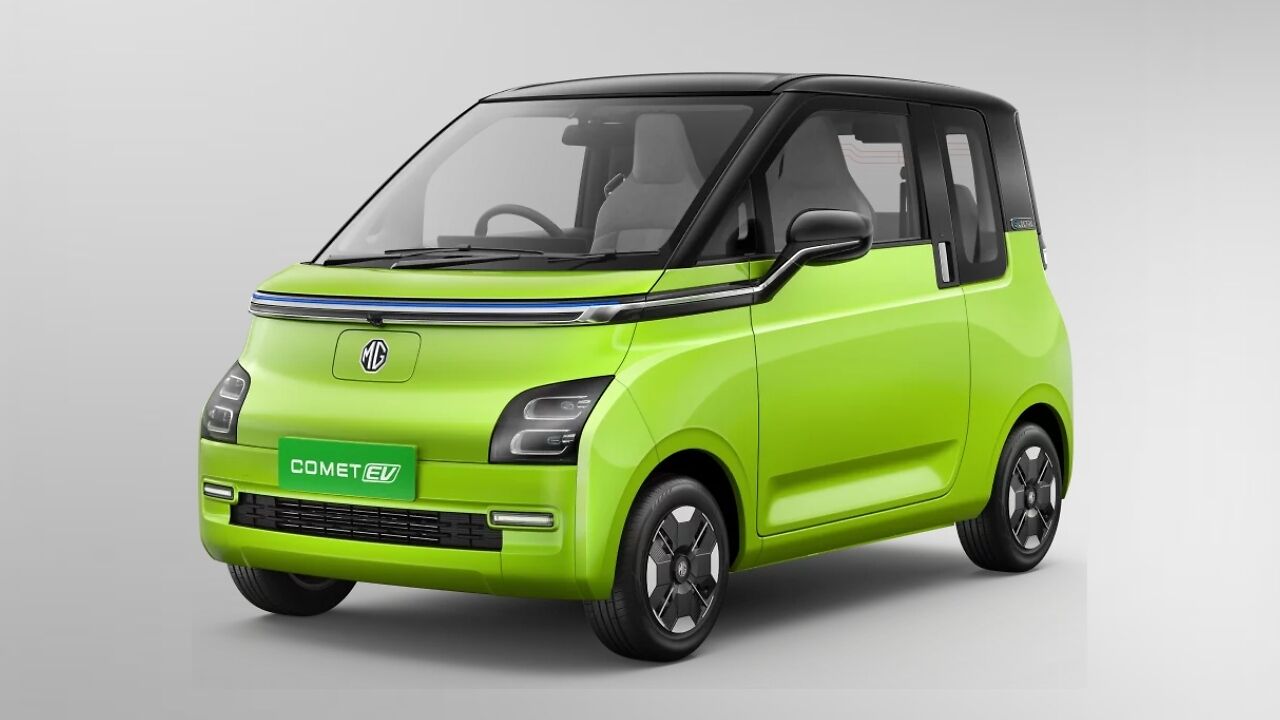
MG Comet EV
Rs 7.89 lakh onwards
17.4 kWh battery | 230 km claimed range
The Comet EV is a compact electric car suited to city commutes, narrow roads and tight parking spaces. Its small footprint makes it easy to manoeuvre, while its cabin offers a digital instrument display and touchscreen infotainment system.
- Charging: Around 7 hours using a 3.3 kW AC charger, depending on charging conditions.
- Boot space: Approximately 350 litres, with limited practicality for bulky luggage.
- Safety: Dual front airbags, ABS with EBD, electronic stability control and rear parking sensors; check the selected variant for its complete safety equipment.
- Best for: Buyers who primarily drive within the city and want a relatively affordable second car.
2. Tata Punch EV: Best for everyday practicality
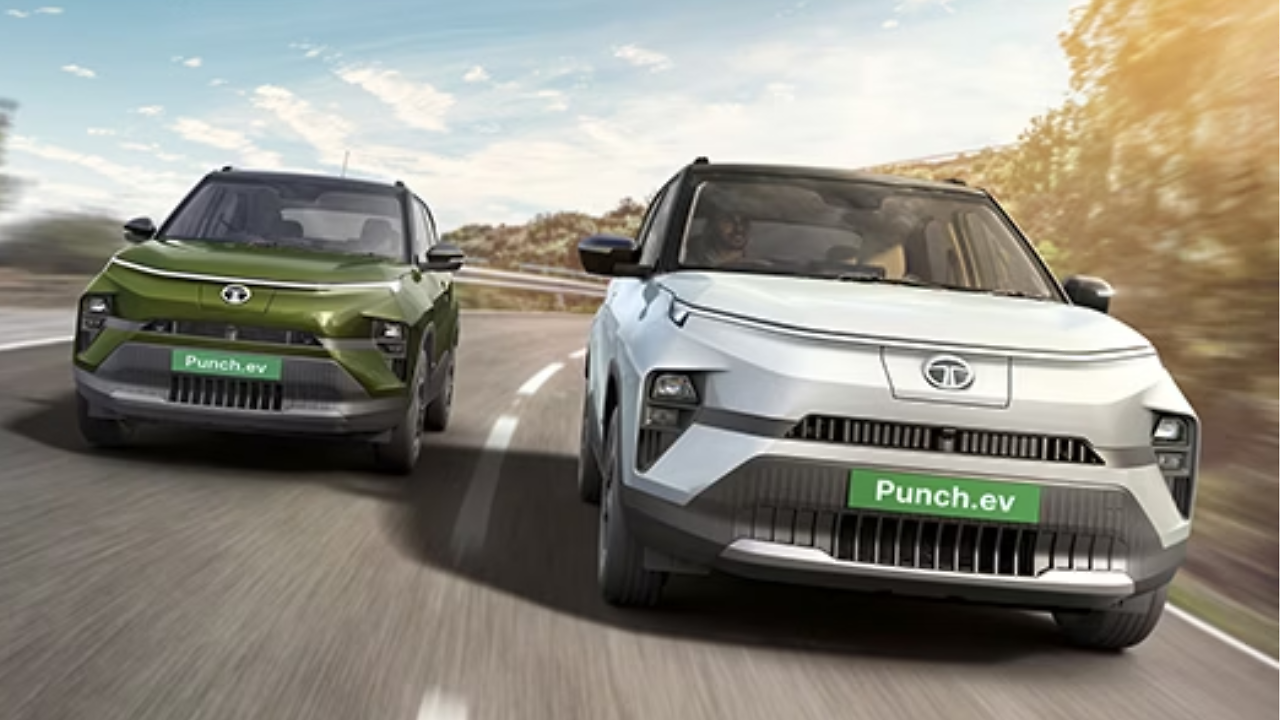
Tata Punch EV
Rs 9.79 lakh onwards
30 kWh / 40 kWh battery | Up to 468 km claimed range
The Punch EV combines compact dimensions with SUV-inspired styling and a higher seating position. It is suitable for daily commuting, family use and occasional outstation trips, particularly in versions with the larger battery.
- Charging: A compatible DC fast charger can substantially reduce charging time; the exact duration depends on the battery version and charger output.
- Boot space: Around 366 litres, subject to the model specification.
- Safety: Check the latest model's crash-test rating and variant-wise equipment. Features may include multiple airbags, electronic stability control and a reversing camera.
- Features: Touchscreen infotainment, digital driver display, connected-car functions and automatic climate control on selected variants.
- Best for: Buyers looking for an electric SUV with manageable dimensions and everyday family practicality.
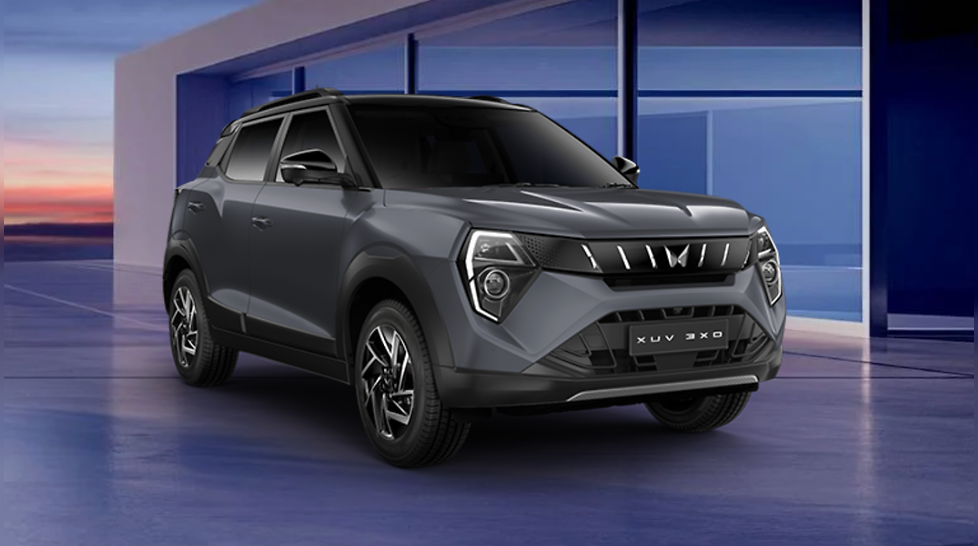
3. Mahindra XUV 3XO EV: Best for a feature-rich compact SUV
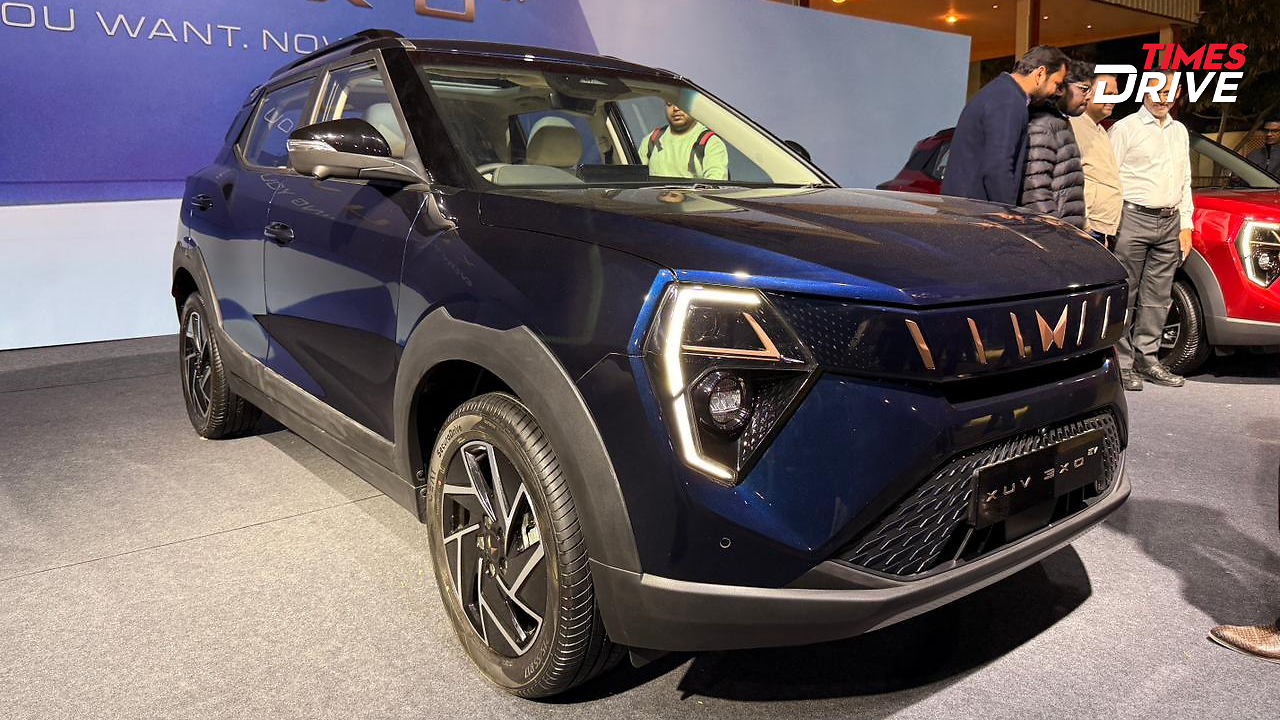
Mahindra XUV 3XO EV
Rs 13.89 lakh onwards
39.4 kWh battery | Up to 456 km claimed range
The XUV 3XO EV is worth considering for buyers who want an electric SUV with a larger battery than entry-level city EVs. Its compact dimensions make it suitable for urban use, while its range is adequate for many regular intercity journeys.
- Charging: Charging duration varies by AC charger capacity and DC fast-charging support.
- Boot space: Approximately 364 litres in the XUV 3XO range; confirm the EV-specific figure for the selected version.
- Safety: The petrol XUV 3XO has a five-star Bharat NCAP rating. Do not automatically assume the same rating applies to the EV without checking its specific assessment.
- Features: Twin-screen displays, connected-car technology, panoramic sunroof and advanced driver assistance features on selected variants.
- Best for: Buyers seeking a compact electric SUV with modern cabin technology.
4. MG Windsor EV: Best for cabin space and comfort
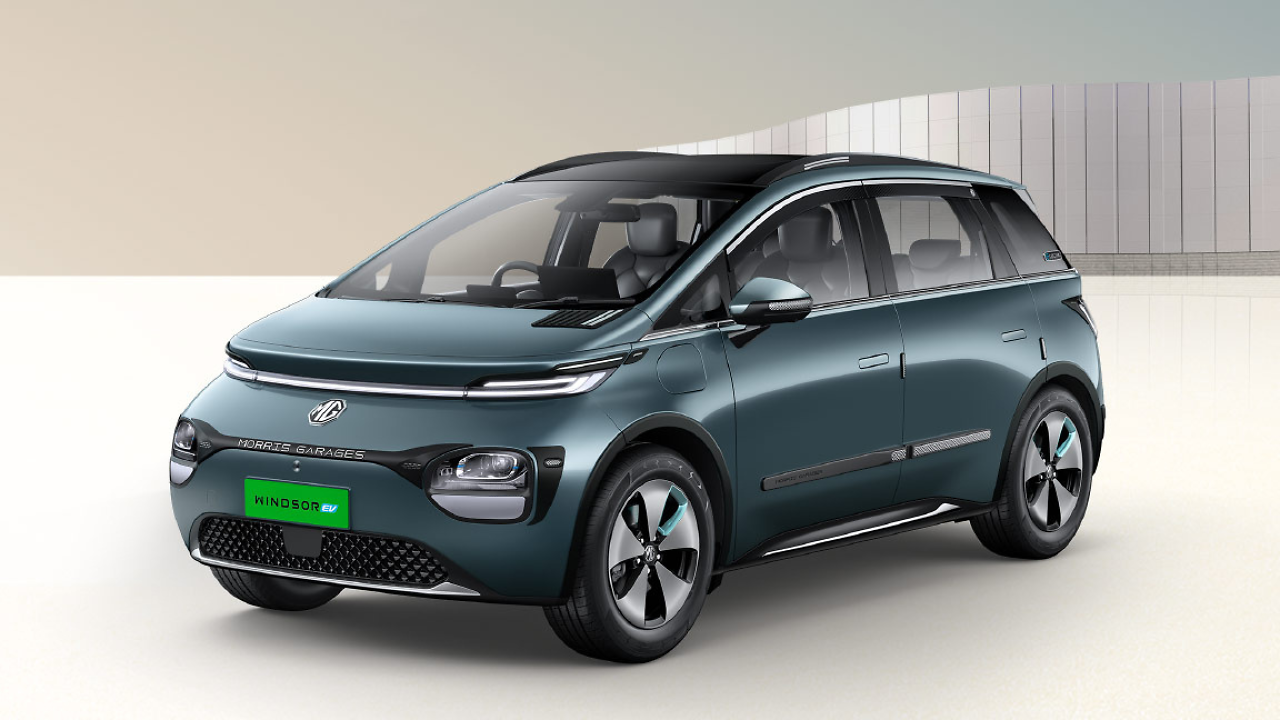
MG Windsor EV
Photo : TIMES DRIVE
Rs 14.84 lakh onwards
37.9 kWh / 52.9 kWh battery | Up to 449 km claimed range
The Windsor EV focuses on passenger comfort, a spacious cabin and a lounge-like rear-seat experience. The larger battery option is more suitable for buyers who regularly travel longer distances.
- Charging: A DC fast charger can replenish the battery significantly faster than a regular home AC charger; actual times depend on charger output and battery state.
- Boot space: Approximately 604 litres, making it a practical option for family luggage.
- Safety: Multiple airbags, electronic stability control and other active safety features are available; check equipment by variant.
- Features: Large touchscreen, panoramic glass roof, connected-car functions and reclining rear seats.
- Best for: Families that prioritise rear-seat comfort, cabin space and a large luggage compartment.
5. Maruti Suzuki e Vitara: Best for longer claimed range
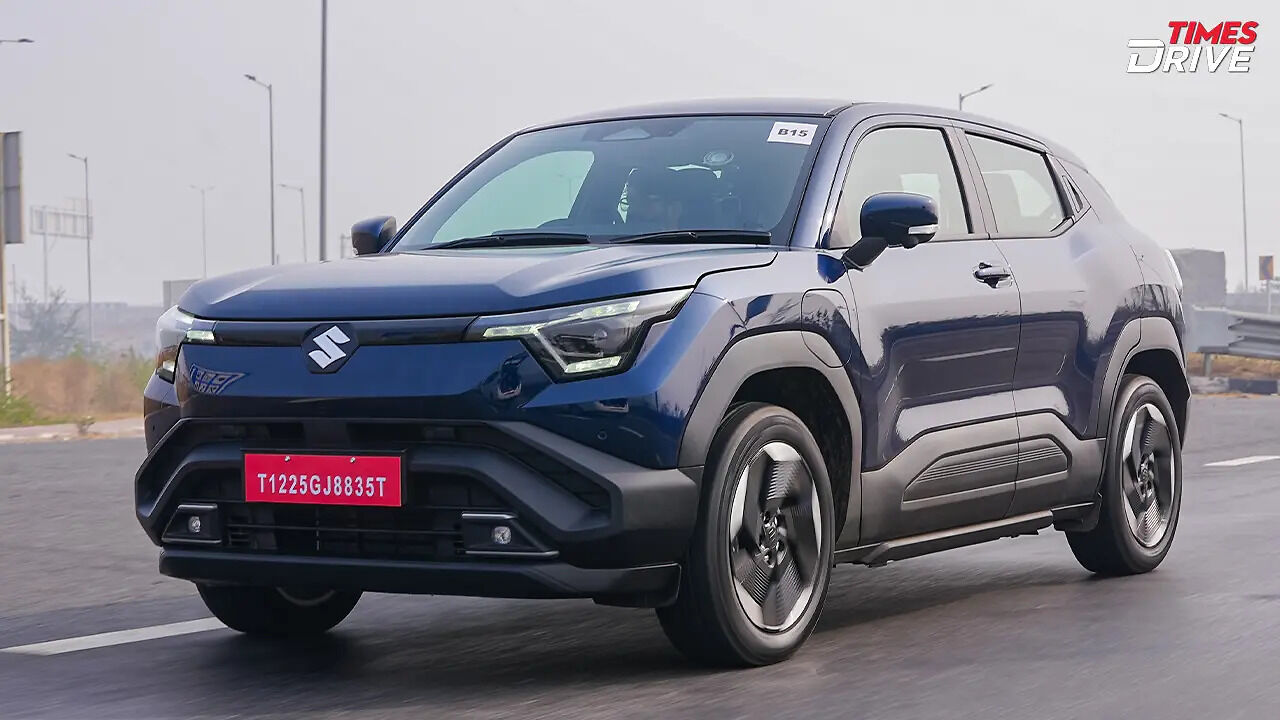
Maruti Suzuki e Vitara
Photo : TIMES DRIVE
Rs 16.19 lakh onwards
49 kWh / 61 kWh battery | Up to 543 km claimed range
The e Vitara offers two battery options, allowing buyers to choose between a lower entry price and a longer claimed driving range. Its SUV body style and five-seat layout make it an option for family use.
- Charging: The estimated charging time depends on whether the vehicle is connected to an AC home charger or a compatible DC fast charger.
- Boot space: Check the official specification for the exact variant; usable luggage space can differ with the seating and storage configuration.
- Safety: The vehicle offers a modern safety package, but buyers should verify the latest India-specific crash-test result and variant-wise equipment.
- Features: Digital displays, connected-car technology, driver assistance features and multiple convenience features, depending on variant.
- Best for: Buyers who want a family electric SUV with a long claimed range.
Which EV under Rs 20 lakh has the longest range?
Among the models listed above, the Maruti Suzuki e Vitara has the highest claimed range, at up to 543 km with its larger battery. The Tata Punch EV and Mahindra XUV 3XO EV also offer claimed ranges exceeding 450 km in their respective long-range configurations.
These figures are manufacturer-claimed or published range figures, not guaranteed real-world distances. Highway speeds, air-conditioning use, traffic, temperature, driving style and battery condition can affect the actual range.
How long do these EVs take to charge?
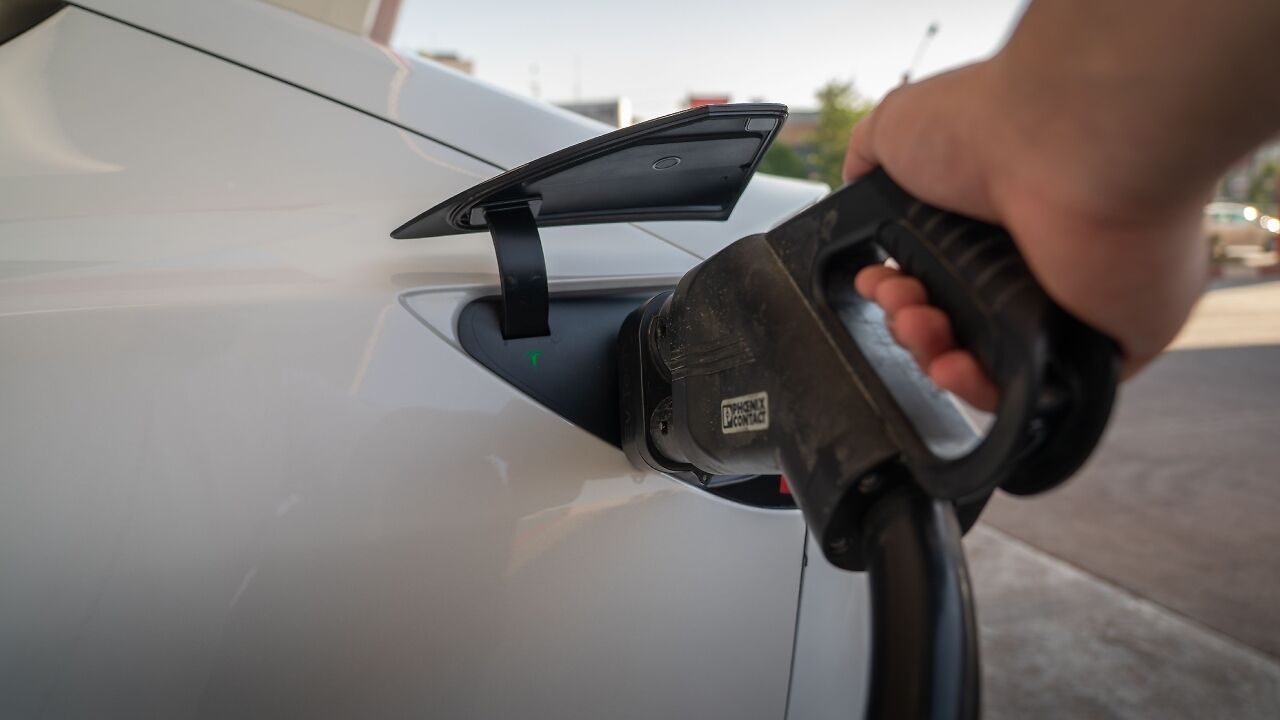
Charging time depends on battery capacity, the charger's power output, the vehicle's maximum charging capability and the starting battery level. Home AC charging is convenient for overnight use, while DC fast charging is more useful on longer journeys. Charging times are indicative guidance, not guaranteed manufacturer timings. Check the official charging specifications for the exact variant before buying.
For regular city use, a home charger can be enough for most owners who can plug in overnight. If you live in an apartment without a dedicated parking space, check whether the housing society permits charger installation and whether a public charging station is conveniently located.
Which EV is suitable for city use?
The best EV for city use depends on daily travel distance, parking conditions and passenger requirements.
- For short commutes and easy parking: The MG Comet EV is a practical choice because of its compact dimensions.
- For mixed city and family use: The Tata Punch EV offers a balance of compact size, SUV styling and range options.
- For a more spacious compact SUV: The Mahindra XUV 3XO EV is worth considering.
- For passenger comfort and luggage: The MG Windsor EV has a spacious cabin and a large boot.
- For longer commutes and frequent highway travel: The Maruti Suzuki e Vitara's larger battery option offers the highest claimed range in this comparison.
Before deciding, calculate your average daily kilometres and consider how often you make longer trips. A car with a lower claimed range may still suit your needs if you drive short distances and can charge at home.
What should you check before buying an electric car under Rs 20 lakh?
Apart from price and range, consider the following factors:
- Total purchase cost: Compare the exact variant's ex-showroom price, insurance, registration and any applicable incentives.
- Battery warranty: Check the warranty period, kilometre limit and conditions for battery replacement.
- Charging access: Confirm home-charger installation feasibility and the availability of public fast chargers on your regular routes.
- Boot space: Look at the actual luggage capacity, especially if you travel with family.
- Safety: Verify the model-specific Bharat NCAP or Global NCAP rating, if available, and check the standard safety equipment.
- Real-world range: Look for independent road tests and allow a buffer for highway journeys rather than relying entirely on claimed figures.
- Running costs: Include home electricity tariffs, public charging costs, servicing and tyre replacement in your ownership budget.
FAQs
1. Which is the cheapest electric car under Rs 20 lakh?
The MG Comet EV is among the most affordable options in this comparison, with an indicative starting price of around Rs 7.50 lakh ex-showroom. Prices may change with updates, offers and variants.
2. Which electric car under Rs 20 lakh offers the longest range?
The Maruti Suzuki e Vitara offers a claimed range of up to 543 km with its 61 kWh battery. Actual driving range will depend on conditions and driving style.
3. Which EV under Rs 20 lakh is best for a family?
The Tata Punch EV, MG Windsor EV and Maruti Suzuki e Vitara are worth considering for family use. The right choice depends on rear-seat comfort, boot capacity, range requirements and budget.
4. How much does it cost to charge an electric car at home?
The cost depends on battery capacity, electricity tariff and charging losses. For example, charging a 40 kWh battery from empty to full would use roughly 40–44 units of electricity after allowing for typical charging losses. At Rs 8 per unit, that would cost approximately Rs 320–352.
5. Are electric cars suitable for highway driving?
Yes. Electric cars can be used for highway journeys, but owners should plan charging stops according to real-world range and the availability of compatible fast chargers. A larger battery can reduce the frequency of charging stops.
Read More: Best Cars Under Rs 20 Lakh
6. Is the claimed range of an electric car the same as its real-world range?
No. Claimed range is measured under specified test conditions. Real-world range can be lower because of highway speeds, air-conditioning use, traffic, temperature, terrain and driving style.
7. Should I buy an EV if I do not have home charging?
It is possible, but you should first check the availability, location, cost and reliability of public charging stations near your home and workplace. Regular reliance on public chargers may be less convenient than overnight home charging.
Read More: Best CNG Cars Under Rs 15 Lakh
8. Which features should I prioritise when buying an EV under Rs 20 lakh?
Prioritise a suitable real-world range, battery warranty, charging compatibility, essential safety equipment, rear-seat comfort and boot space. A panoramic sunroof or large touchscreen may be useful, but charging convenience and safety should come first.
Log in to post a comment.
End of Article
Trending



Popular





STAY UPDATED Get the latest news from Times Drive