New Delhi


How To Drive An Automatic Car: A Beginner’s Guide
Driving an automatic car is simpler than a manual because it has no clutch pedal, and gears shift automatically. Beginners must learn about the gear selector, pedals, and basic driving techniques. This guide covers starting, stopping, and reversing an automatic vehicle, emphasizing using only the right foot for pedals to avoid confusion. It also highlights proper procedures for various driving scenarios, including in traffic and on hills. Understanding the vehicle's controls and practicing in safe areas will enhance confidence for new drivers.

Updated Oct 7, 2026, 04:27 PM IST
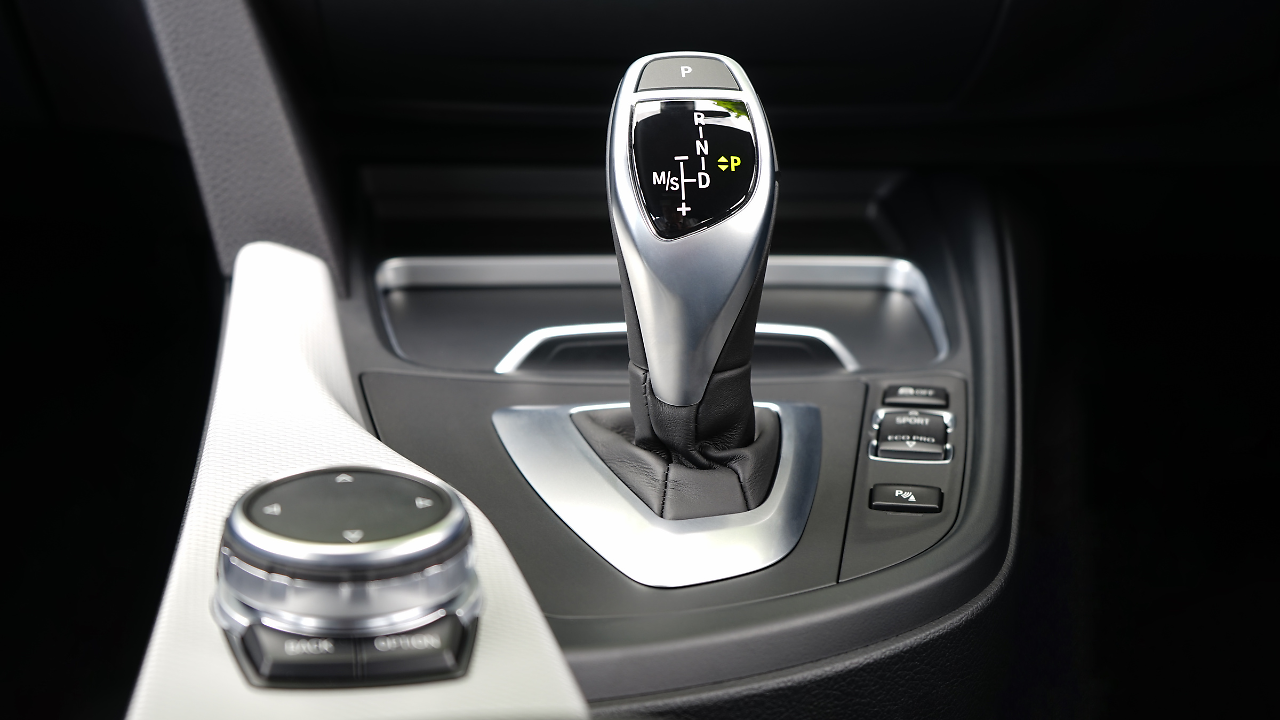
How To Drive An Automatic Car: A Beginner’s Guide
Driving an automatic car is generally simpler than driving a manual car because there is no clutch pedal and the gearbox changes gears automatically. However, first-time drivers still need to understand the gear selector, accelerator, brake pedal and basic driving techniques before getting behind the wheel.
This guide explains how to drive an automatic car, what the different gear positions mean and the common mistakes beginners should avoid.
How Does an Automatic Car Work?
An automatic transmission changes gears automatically based on the vehicle’s speed, engine load and accelerator input. Unlike a manual car, the driver does not need to operate a clutch pedal or manually select each gear.
Most automatic cars have the following gear positions:
| Gear | Meaning | When to Use |
| P – Park | Locks the transmission | When the car is parked |
| R – Reverse | Moves the car backwards | For reversing |
| N – Neutral | Disconnects the transmission from the wheels | Limited situations, such as certain towing or stationary situations |
| D – Drive | Moves the car forward | Normal driving |
| S – Sport | Holds lower gears for quicker response | Sportier driving, where available |
| L – Low | Keeps the transmission in a lower range | Steep slopes or specific low-speed conditions, where available |
How To Start An Automatic Car
Starting an automatic car is straightforward, but the correct sequence is important.
Step-by-Step Guide:
1. Sit in the driver's seat and adjust the seat, steering wheel and mirrors.
2. Make sure the parking brake is engaged.
3. Ensure the gear selector is in P (Park).
4. Press the brake pedal.
5. Start the engine using the key or start/stop button.
6. Keep your foot on the brake.
7. Select D (Drive) if you want to move forward.
8. Release the parking brake when it is safe to do so.
9. Gradually release the brake pedal.
10. Apply the accelerator gently to increase speed.
Many automatic cars will begin moving slowly as soon as the brake pedal is released. This is commonly called creep.
How To Drive an Automatic Car
Once the car is in D, the gearbox takes care of gear changes automatically.
Use Your Right Foot for the Pedals
One of the most important rules for beginners is to use only the right foot for operating the accelerator and brake.
- Right foot on the brake when slowing or stopping.
- Move the right foot to the accelerator when accelerating.
- Do not use your left foot to operate the brake in normal driving.
- Avoid pressing the acceler
at or and brake at the same time.
This makes pedal operation more predictable and reduces the possibility of accidentally pressing both pedals.
Accelerate Smoothly
Press the accelerator gradually instead of suddenly pushing it down.
The transmission will select the appropriate gear based on your speed and throttle input. A gentle accelerator input generally makes city driving smoother and more comfortable.
Let the Car Creep When Appropriate
Most automatic cars move forward slowly when the brake is released while the transmission is in D.
This can be useful in:
- Traffic jams
- Parking areas
- Tight manoeuvres
- Slow-moving traffic
You do not always need to press the accelerator in these situations. Control the vehicle primarily with the brake at very low speeds.
How To Stop an Automatic Car
Stopping an automatic car is also simple.
For a Temporary Stop
For a traffic signal or brief stop:
1. Release the accelerator.
2. Apply the brake smoothly.
3. Keep the gear selector in D.
4. Keep your foot on the brake until you are ready to move again.
When Parking the Car
When you have reached your destination:
1. Bring the car to a complete stop.
2. Keep your foot on the brake.
3. Apply the parking brake.
4. Shift the transmission to P.
5. Switch off the engine.
On a slope, using the parking brake before selecting P can help reduce the load placed on the transmission's parking mechanism.
How To Reverse an Automatic Car
Reversing requires extra care because the car can move as soon as R is selected and the brake is released.
Follow these steps:
1. Bring the car to a complete stop.
2. Keep your foot on the brake.
3. Check the surroundings and mirrors.
4. Select R (Reverse).
5. Release the brake gradually.
6. Use the accelerator only when necessary.
7. Keep the vehicle at a very low speed while reversing.
Use the reversing camera and parking sensors, if equipped, but do not rely on them alone. Always check the surroundings.
How To Drive an Automatic Car in Traffic
Automatic cars can be convenient in stop-and-go traffic because there is no clutch pedal to operate.
Tips for City Traffic
- Keep the car in D during normal traffic.
- Maintain a safe distance from the vehicle ahead.
- Use the brake to control very low speeds.
- Avoid repeatedly switching between D and N at every traffic light unless recommended by the manufacturer.
- Do not rest your foot on the accelerator and brake simultaneously.
- Keep your attention on traffic rather than constantly monitoring the gear selector.
How To Drive an Automatic Car on a Hill
Driving uphill in an automatic car usually requires little intervention because the transmission can select a lower gear when necessary.
However, when starting on an incline:
1. Keep the brake pressed.
2. Select D.
3. Release the parking brake when ready.
4. Apply the accelerator smoothly.
5. Move forward without unnecessarily revving the engine.
Some cars have Hill Hold Assist, which temporarily keeps the brakes applied when starting on an incline.
For steep descents, some automatic transmissions provide L, 1, 2, B or manual modes. These can increase engine braking, depending on the transmission type and vehicle. Always check the owner's manual for the recommended procedure.
Can You Shift From D to R While Moving?
No. Do not shift directly from D to R while the vehicle is moving.
Always:
1. Apply the brake.
2. Bring the vehicle to a complete stop.
3. Select R.
4. Release the brake gradually.
The same principle applies when changing from R to D.
What Not To Do While Driving an Automatic Car
Beginners should avoid several common mistakes:
- Do not use both feet for normal accelerator and brake operation
- Do not shift between D and R while the car is moving.
- Do not select P before the vehicle has completely stopped.
- Do not press the accelerator unnecessarily while the car is stationary.
- Do not coast in N unless specifically recommended for a particular situation.
- Do not rest your hand on the gear selector unnecessarily.
- Do not rely entirely on parking sensors or cameras.
- Do not ignore warning lights or unusual transmission behaviour.
Automatic Car Driving: Quick Reference
| Situation | What To Do |
| Starting the car | Brake pressed + selector in P |
| Moving forward | Select D |
| Reversing | Stop completely, then select R |
| Temporary traffic stop | Keep D selected and hold the brake |
| Parking | Stop completely, apply parking brake and select P |
| Going uphill | Use D and accelerate smoothly |
| Going downhill | Use engine braking/manual or low mode if recommended |
| Changing D to R | Stop completely first |
| Changing R to D | Stop completely first |
Frequently Asked Questions
Is driving an automatic car easy for beginners?
Yes. An automatic car generally requires less coordination because there is no clutch pedal and the transmission changes gears automatically. Beginners still need to learn proper braking, acceleration, steering and gear-selector operation.
Which pedal is the accelerator in an automatic car?
The accelerator is the right-hand pedal, while the brake is positioned to its left. Automatic cars generally have only two pedals: accelerator and brake.
Should I use my left foot to brake an automatic car?
For normal road driving, beginners should use their right foot for both braking and acceleration. This helps avoid accidentally pressing both pedals.
Should an automatic car be in P or N at a traffic signal?
For a normal short stop, keeping the transmission in D while holding the brake is generally appropriate. For longer stops, follow the vehicle manufacturer's recommendations.
Can an automatic car roll backwards on a hill?
It depends on the vehicle and transmission. Some cars may roll slightly, while others have hill-hold or similar assistance. Use the brake and accelerator carefully and follow the instructions in the owner's manual.
Does an automatic car have a clutch?
The driver does not operate a clutch pedal in a conventional automatic. However, the transmission mechanism varies. AMTs, DCTs, CVTs and torque-converter automatics use different technologies to transfer power and manage gear changes.
Log in to post a comment.
End of Article
Trending
How To Choose The Right Tyres For Your SUV: HT vs AT vs MT Explained

Honda Elevate Facelift vs Hyundai Creta Spec Comparison: What's Different?

Skoda Slavia Facelift vs Volkswagen Virtus Spec Comparison: What's Different?

Electric Cars with BaaS You Can Buy in India: From MG Windsor to Tata Tiago

Skoda Slavia Facelift vs Honda City Spec Comparison: What's Different?

5 Most Affordable Diesel Cars You can Buy in India

Renault Triber Turbo vs Nissan Gravite Spec Comparison: What’s Different
Popular





STAY UPDATED Get the latest news from Times Drive