New Delhi


Top 5 Monsoon Car Care & Driving Tips for Indian Roads
Monsoon season presents unique challenges for car owners, requiring special attention to maintenance. Essential tips include conducting thorough pre-monsoon checks on fluids, brakes, and tyres to ensure optimal performance on slippery surfaces. Window wipers and lights must be in good working order for visibility during heavy rain. Slowing down while driving minimizes risks like hydroplaning, and using low beam lights enhances road visibility. Maintaining a safe distance from other vehicles is crucial for avoiding accidents on wet roads.

Saptak Bardhan
Updated Jul 1, 2025, 04:55 PM IST
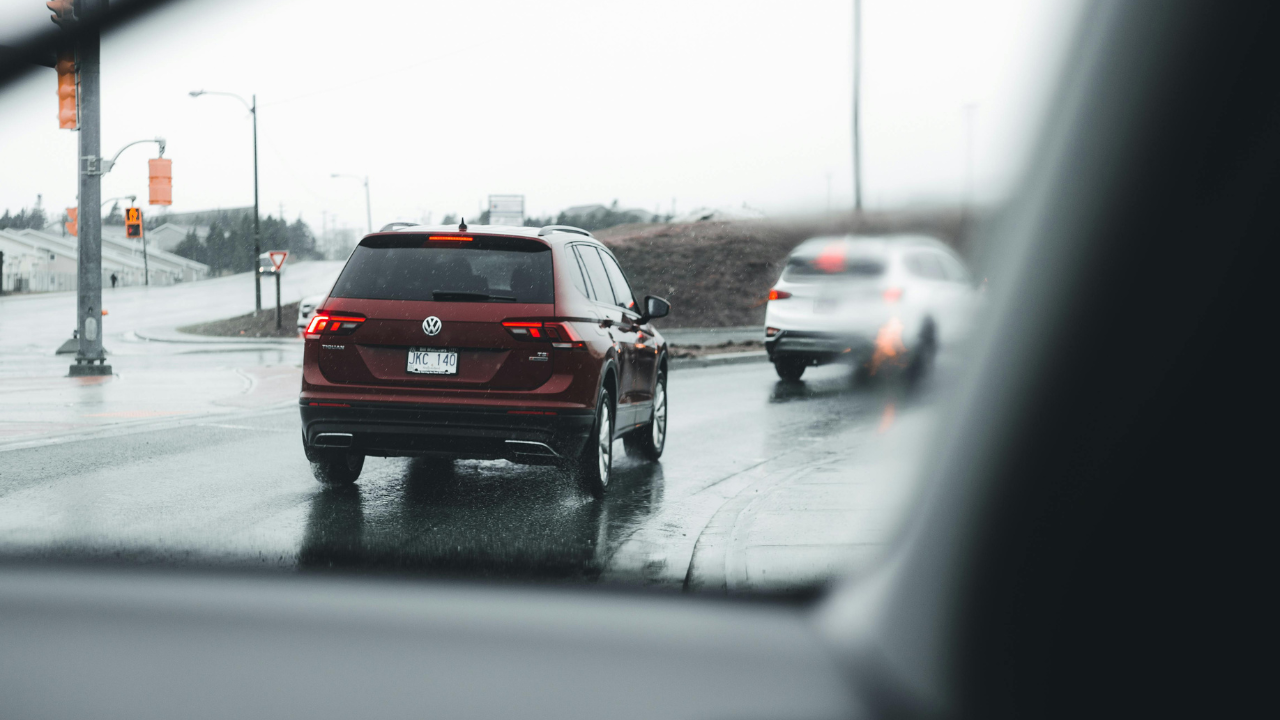
Top 5 Car Care And Driving Tips You Need To Know For Monsoons In India
Monsoons are one of the trickiest seasons and a tough time to have a car considering cars need special attention during this season. Not only is the car prone to getting rust patches but the visibility gets worse in the event of heavy rain or the car might stall owing to water logging, among other problems. Not only is the rain hard on the driver, it deals a lot of damage on the car if not properly cared for.

People Also Search
What should drivers do to prepare their vehicles specifically for waterlogged conditions during the monsoon?
How can car owners benefit from seasonal service camps offered by manufacturers during the monsoon?
What specific maintenance checks are recommended for motorcycle riders during the monsoon season?
What driving techniques can help maintain control in waterlogged areas during heavy rains?
How can drivers ensure their car's electrical systems are protected during monsoon conditions?
Essential rainy season driving tips to keep your car safe, dry, and road-ready this monsoon
Car Maintenance Pre-Monsoon
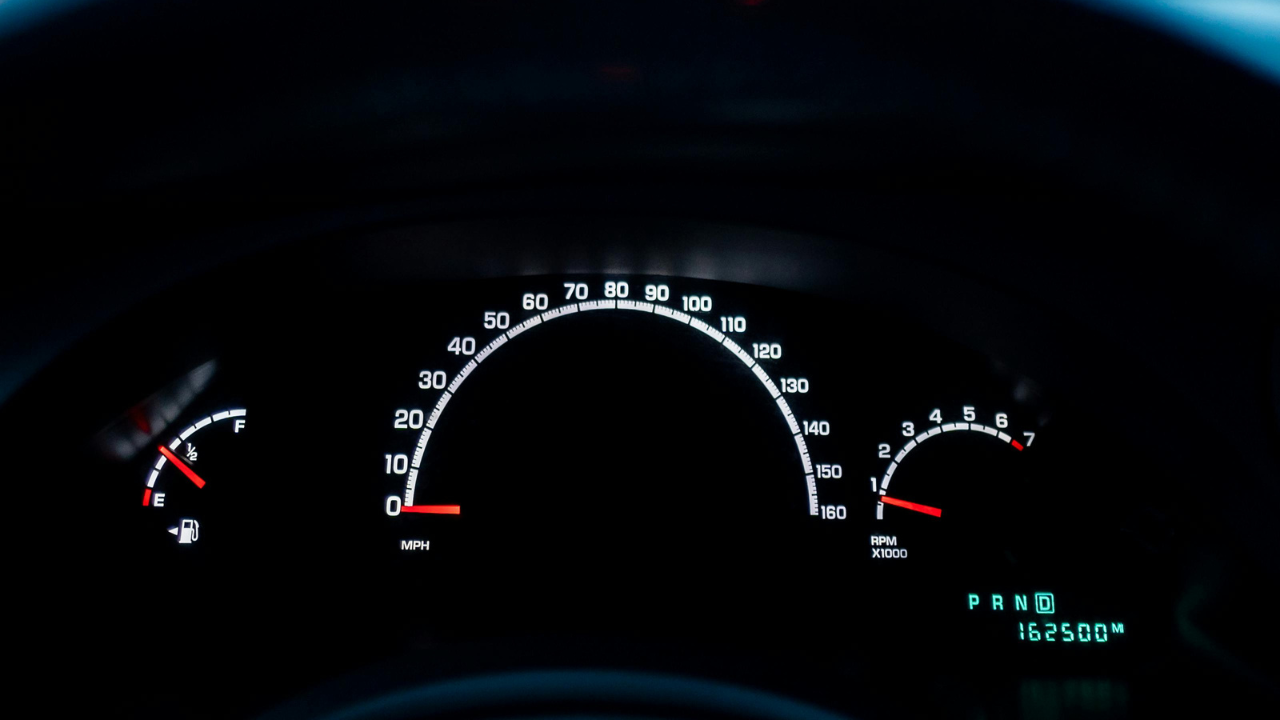
Car Maintenance Pre-Monsoon
Get your car thoroughly checked right from all the fluids to brakes to tyres. The car needs to be in the best possible condition for you to tackle the monsoon season. Check the car’s fluid levels, if low fill them up. Check the tyre treads to see if they are worn-out or not. Tyre condition has to be top notch so that the car doesn’t lose traction on slippery surfaces, especially wet roads. In addition to that, brake pads also need to be checked so as to have the best stopping capability for the car.
Check Window Wipers and Lights
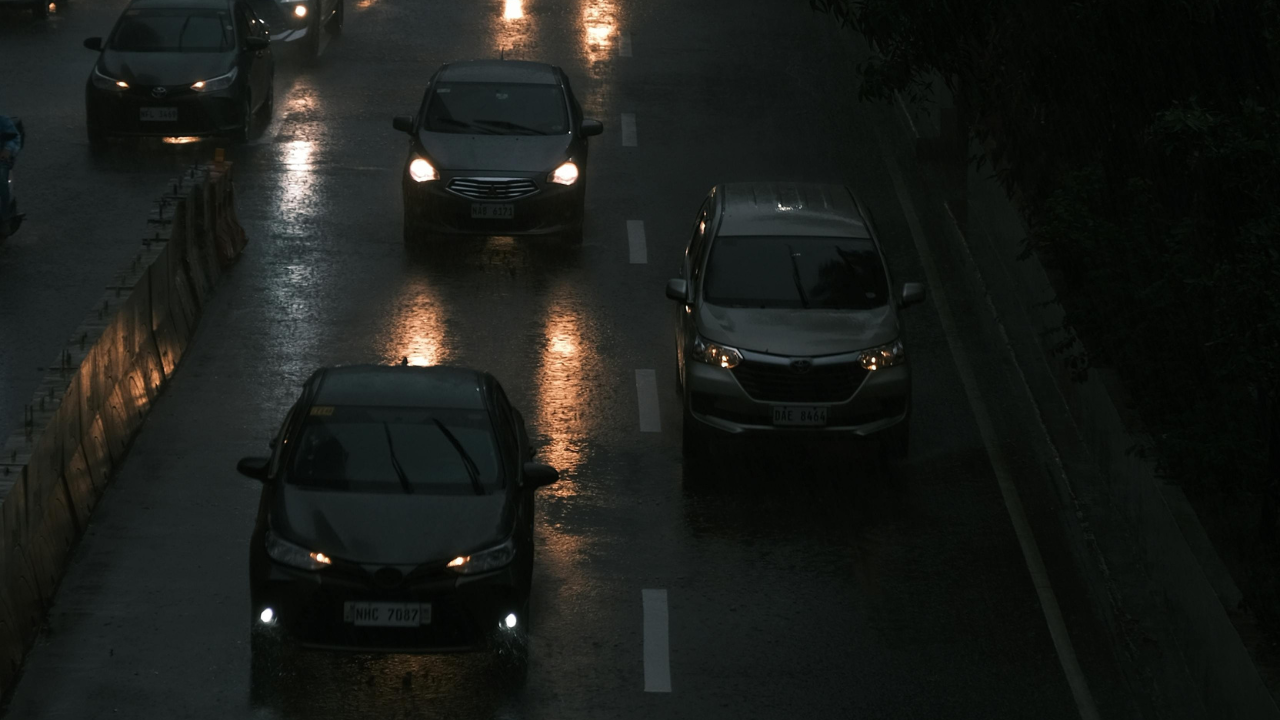
Check Window Wipers and Lights
Window wipers are extremely important when it comes to having the best visibility possible, especially when it is pouring. Make sure window wipers are functionable. Replace window wipers that either make noise or leave streaks in your windshield. Moreover, headlights and tail lights need to be checked as well in order to ensure the best visibility you can get. Check all headlights, fog lights and tail lights if they work optimally. If not, get it replaced as soon as you can.
Slow Driving Is Optimal For Monsoons
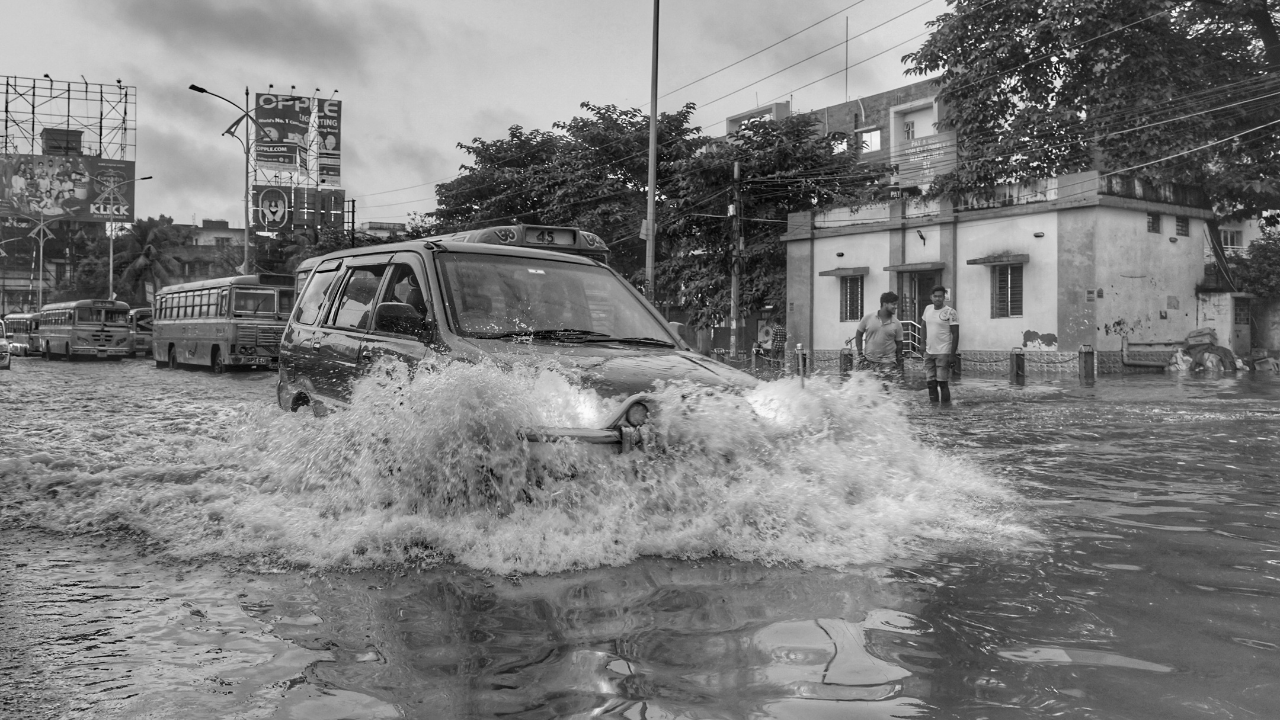
Slow Driving Is Optimal For Monsoons
Driving slow will not only allow you to enjoy the weather but also minimise risks significantly. Slow driving ensures you move at a steady pace with no sudden movement. Additionally, driving at slow speeds avoids hydroplaning. Hydroplaning is a phenomenon which occurs when a car is going fast over a puddle and the tyre isn’t able to displace water at the same rate, the car is prone to crash.
Use Low Beams And Fog Lights
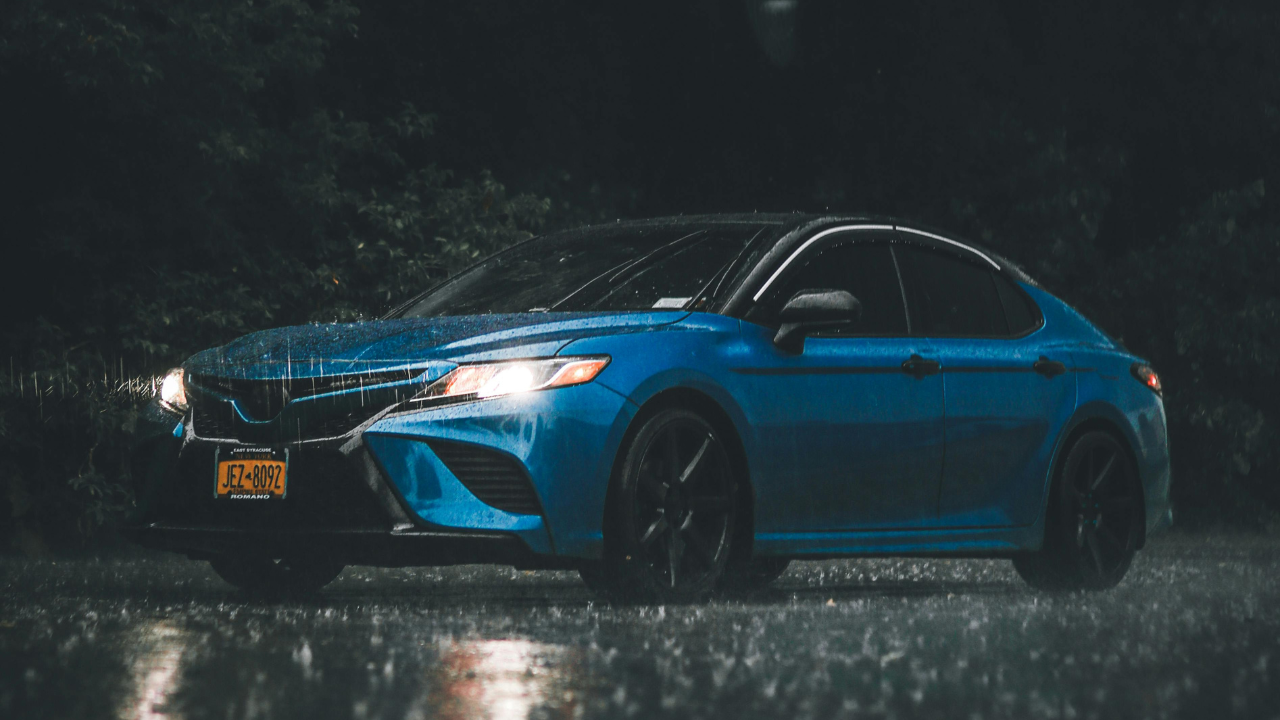
Use Low Beams And Fog Lights
The usage of low beam lights is massively underrated when it comes to driving in heavy rains. Using low beams and fog lights helps increase visibility of the road ahead. While everyone drives around with high beam lights even in well-lit areas in India, low beam is the solution when it comes to monsoons. Using a high beam would result in the light reflecting off of rain drops making it harder to see the road in front, making you prone to collisions and crashing.
Maintain Distance from Cars in Front
Maintain Distance from Cars in Front
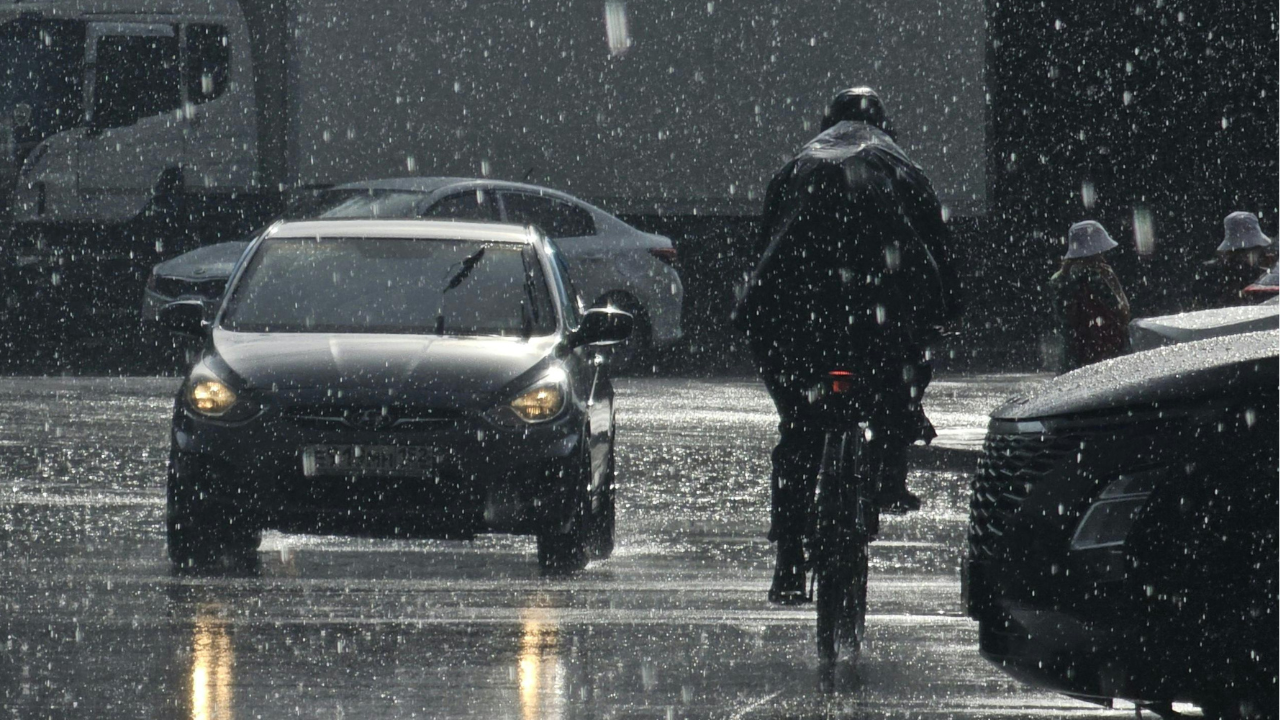
The reason why we need brakes to be in perfect condition is that it reduces the risk of a crash especially when the car is driving on a wet, slippery surface. The distance between cars in monsoons is important since it reduces the likelihood of a crash. The car has enough space and time to stop before crashing in the car ahead and avoiding rear-end collisions as well, keeping the car and you safe.
Frequently Asked Questions
- How do I protect my car during monsoon 2025?
Park under cover and apply anti-rust coating.What’s the best tyre tread depth for rainy roads?
At least 2.5 mm for optimal grip.Should I use hazard lights while driving in rain?
o, use fog lights or low beams instead.How often should I clean my car in monsoon?
Every 2–3 days to prevent mud and rust buildup.Is ceramic coating useful in monsoon?
Yes, it repels water and protects paint.
Log in to post a comment.
End of Article
Trending
Which Are the Best Bikes Under Rs 2 Lakh in India?
Which Are the Best 7-Seater Cars Under Rs 10 Lakh in India?
Which Are the Best Bikes Under Rs 1.5 Lakh in India

Which Are the Best CNG Cars Under Rs 10 Lakh in India?

EV Diwali 2026: 5 Most Affordable Electric Cars You Can Buy in India

5 Most Affordable Hybrid Cars You Can Buy in India This Diwali
5 Most Affordable Cars with Sunroofs to Buy This Diwali
Popular




STAY UPDATED Get the latest news from Times Drive