New Delhi


Supreme Court Enforces Ban on 10-Year-Old Diesel and 15-Year-Old Petrol Vehicles in Delhi-NCR
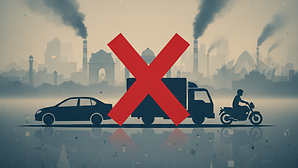
The Supreme Court has specified that only vehicles with BS-IV compliant engines or higher are exempt from penalties in Delhi-NCR, altering previous orders concerning older diesel and petrol vehicles due to severe air pollution. The court pointed out that BS-III or older vehicles are not exempt and may be penalized.

Keshav Rajput
Updated Dec 18, 2025, 02:32 PM IST

Apex Court Enforces Ban on 10-Year-Old Diesel and 15-Year-Old Petrol Vehicles in Delhi-NCR
The Supreme Court on December 18 clarified that only vehicles with BS-IV compliant engines or higher will be exempt from action if found operating in Delhi-NCR. This clarification modifies an earlier order related to restrictions on 10-year-old diesel vehicles and 15-year-old petrol vehicles in view of severe air pollution in the region.

People Also Search
What measures are being taken to identify and restrict end-of-life vehicles in Delhi?
How does the Graded Response Action Plan (GRAP) categorize air quality, and what are its implications?
What are the penalties for violating the vehicle restrictions in Delhi?
What has been the response of the CAQM regarding the research on older vehicles' pollution impact?
What alternative measures is the Delhi government exploring to combat high pollution levels?
BS-III vehicles not eligible for exemption
Most 10-year-old diesel vehicles and 15-year-old petrol vehicles in India are fitted with BS-III engines. BS-IV engines were introduced a year later. The court stated that vehicles running on BS-III or older standards do not qualify for exemption and can face action if found on roads in Delhi.
Request from air quality panel
The clarification followed a request by the Commission for Air Quality Management (CAQM). The commission informed the court that older vehicles significantly add to pollution levels and should not be allowed any relief during periods of extreme air quality deterioration. Earlier, the court had said that no strict action would be taken against such vehicles, which created uncertainty for both vehicle owners and enforcement agencies.
Also Read: Best Kawasaki Bikes In India under Rs 5 Lakh
Data on vehicular pollution
CAQM data submitted to the court shows that around 93 percent of the 2.88 crore vehicles in Delhi-NCR are light motor vehicles, including cars and two-wheelers. About 37 percent of these vehicles run on BS-III or older engines.
According to the commission, these vehicles emit much higher levels of pollutants, including particulate matter, nitrogen oxides and carbon monoxide, compared to newer vehicles.
Government steps to control emissions
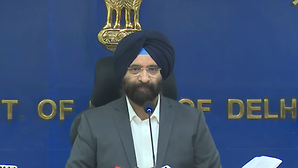
As air quality levels continue to worsen, the Prime Minister’s Office has directed authorities to take strict action against polluting vehicles. Delhi environment minister Manjinder Singh Sirsa announced several measures to reduce vehicular pollution. These include restricting entry to BS-VI vehicles, denying fuel to vehicles without a valid Pollution Under Control (PUC) certificate, implementing an integrated traffic signal system, promoting car pooling, banning entry of non-BS-VI private vehicles and stopping trucks carrying construction material from entering the capital.

Log in to post a comment.
End of Article
Trending

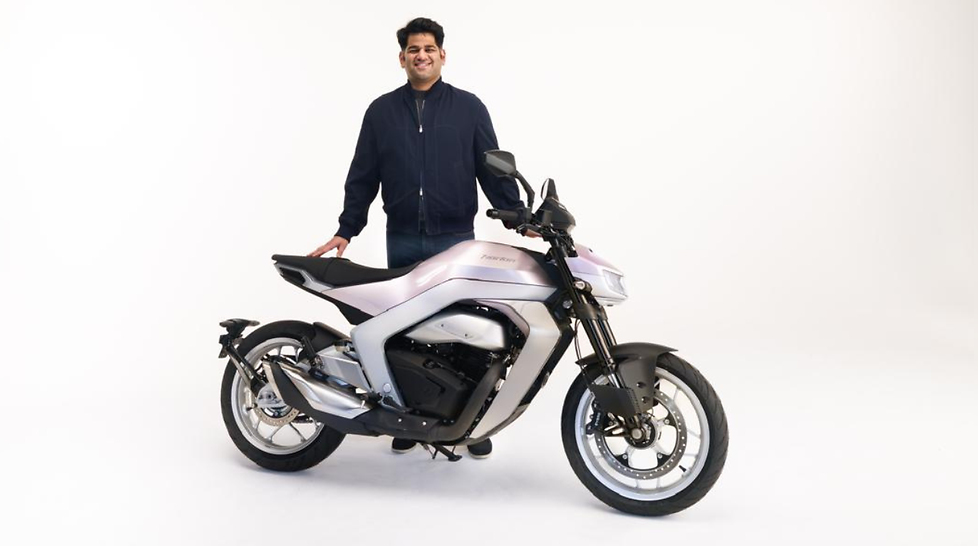
Norton 450 Urban Roadster Revealed Ahead of EICMA 2026 Debut

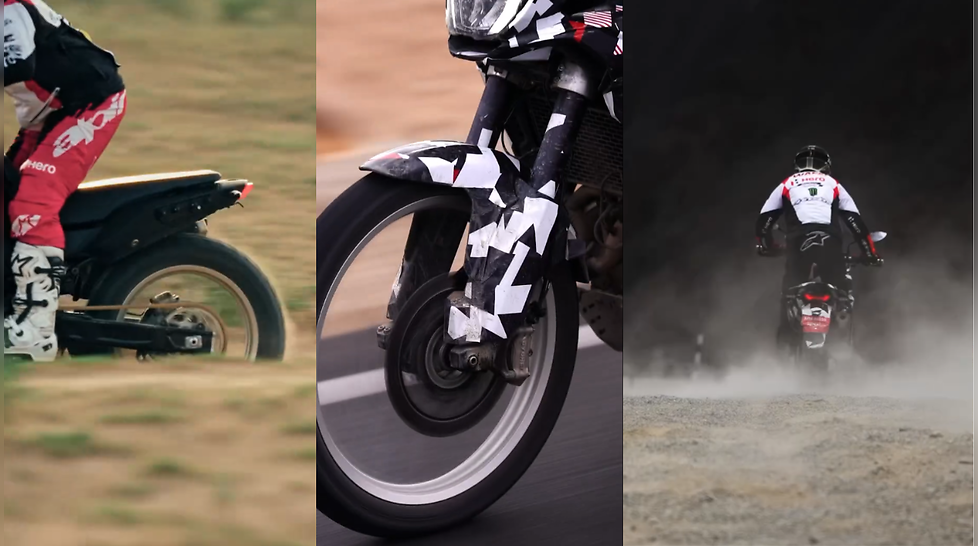
Hero Xpulse 421 Teased Ahead of EICMA 2026 Debut; India Launch Expected in 2027

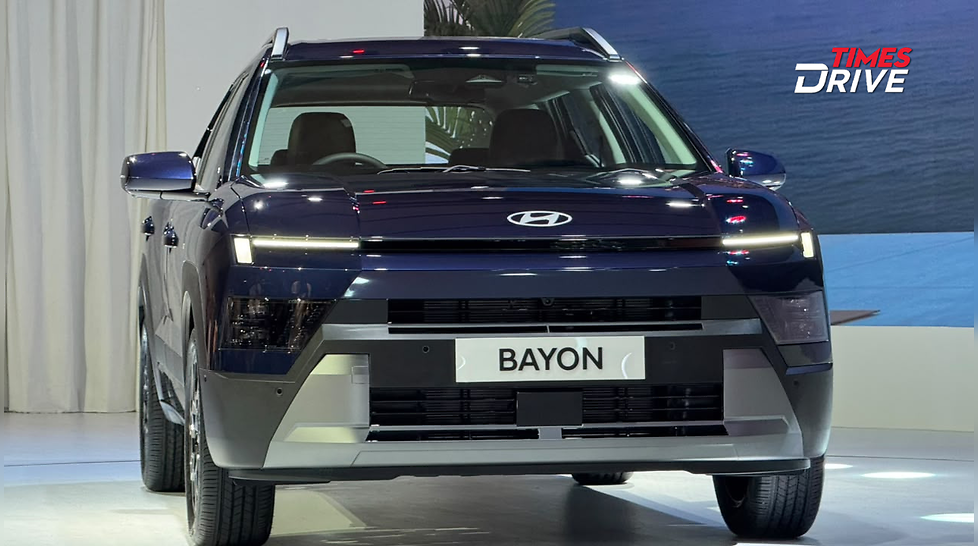
Hyundai Registers Over 16 Percent Growth in Car Sales for October 2026

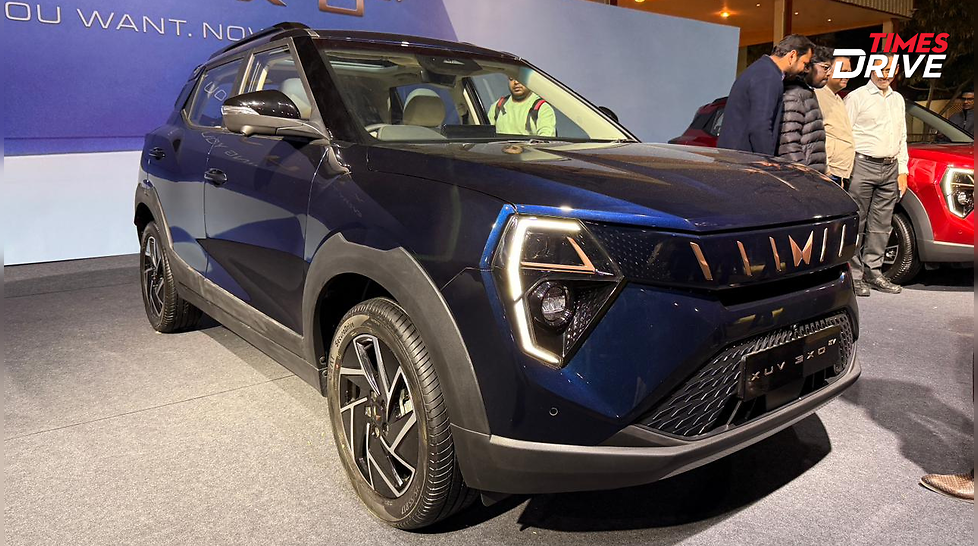
Mahindra Posts Over 2 Percent Growth in Monthly Car Sales for October 2026
Maruti Suzuki Records Over 20 Percent Growth in Car Sales for October 2026

New Mini Cooper SE India Launch on November 27: Expected Price, Range, Battery, Features and More

Toyota Innova Hycross Facelift Launched in Indonesia, India Debut Expected Soon
Popular





STAY UPDATED Get the latest news from Times Drive