New Delhi


Brake The Habit: The Correct Use of Hazard Lights During Heavy Rain
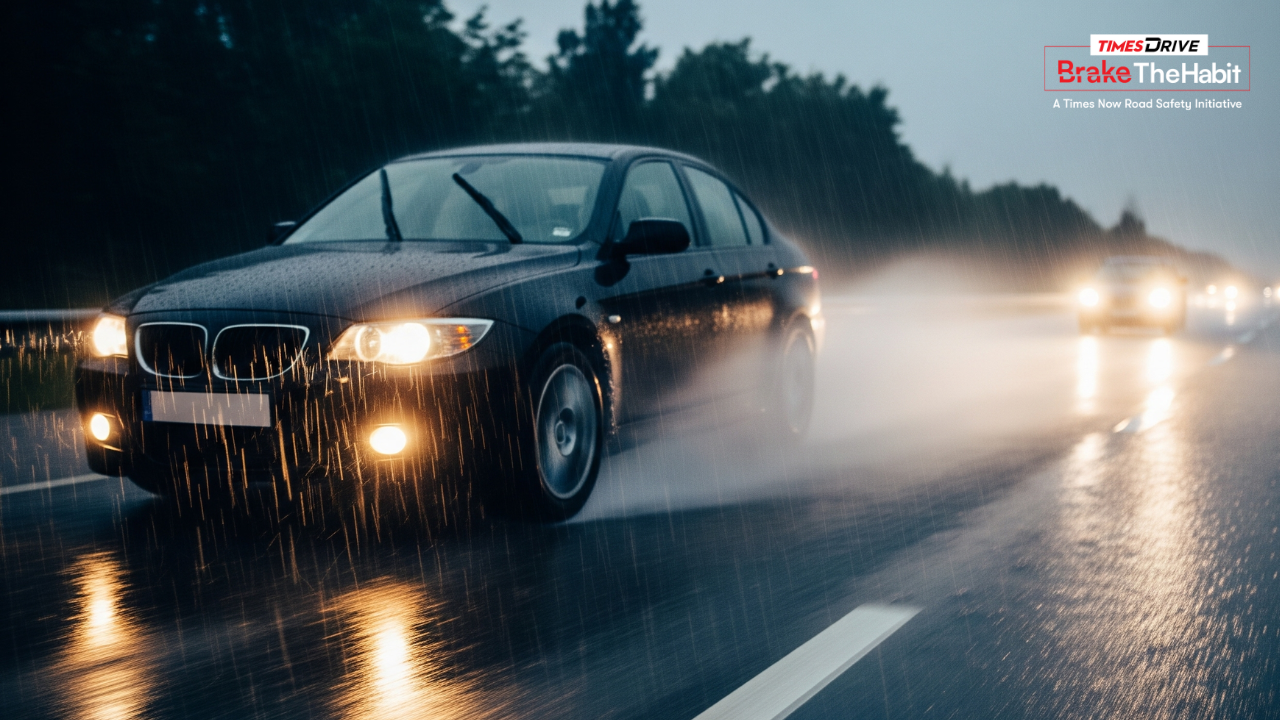
Heavy rainfall complicates driving, leading many to use hazard lights, mistakenly believing they enhance visibility. However, hazard lights are intended only for stationary vehicles and their misuse can confuse other drivers, potentially causing accidents. Traffic safety studies reveal a correlation between this misuse and increased visibility-related incidents. The “Brake The Habit” initiative encourages drivers to use regular headlights and fog lights, maintain safe speeds, and pull over if conditions worsen. Proper use of signals promotes safer driving and protects lives on the road.

Keshav Rajput
Updated Sep 2, 2025, 01:54 PM IST
Brake The Habit: The Correct Use of Hazard Lights During Heavy Rain
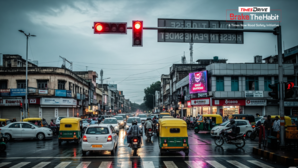
Heavy rainfall reduces visibility on roads, making driving more challenging. Many drivers switch on hazard lights, assuming it makes them more visible and safer. Hazard lights are legally meant only for vehicles that are stationary due to breakdowns, accidents, or other roadside emergencies. Using them while driving is illegal and can mislead other drivers about your speed or intentions, creating dangerous situations.

People Also Search
What are some key safety tips for driving in heavy rain that were not mentioned in the main article?
How can drivers improve their visibility during heavy rain beyond using regular headlights?
What are the consequences of using hazard lights incorrectly during heavy rain?
What strategies can drivers implement to maintain focus and avoid distractions while driving in adverse weather conditions?
What should drivers do if they encounter waterlogged areas while driving?
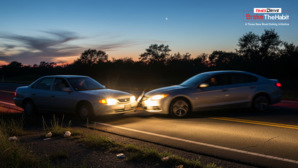
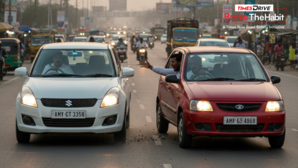
When hazard lights flash on a moving vehicle, other motorists may interpret the signals as a sign of a stationary vehicle. In low-visibility conditions, this confusion can lead to braking, swerving, or collisions. Studies from traffic safety authorities indicate that misuse of hazard lights is linked to a higher number of visibility-related accidents during rain. Families, commuters, and delivery drivers are among those affected by these incidents.
The “Brake The Habit” initiative emphasizes breaking this misconception. During heavy rain, the safest way to protect yourself and your loved ones is to rely on your regular headlights and fog lamps. These lights are designed to improve visibility without creating confusion. Maintaining a reduced speed, keeping a safe distance from the vehicle ahead, and staying alert to changes in road conditions are steps to prevent accidents.
Breaking this habit starts with awareness. In rain, rely on headlights, fog lights if equipped and maintain a safe speed and distance. If conditions worsen, find a safe spot to pull over, then activate hazards to warn others of your parked vehicle. This switch promotes clearer communication on the road, reducing risks and supporting safer journeys.
By braking the habit of misuse, you follow the law and protect lives. Next time rain falls, remember: hazards are for halts, not highways. Drive smart, stay safe.
Log in to post a comment.
End of Article
Trending
Renault Duster Hybrid India Launch Tomorrow: Here's What to Expect

New Tesla Roadster Hits 0–60 Mph in 0.8 Seconds, Becomes the Quickest Accelerating Car in the World
Flying Car: Tesla Reveals New Roadster with Mind-Bending SpaceX Technology

BMW F 450 RR Revealed: Gets 48hp Engine, Sporty Design and Advanced Safety Features

Maruti Suzuki Brezza Facelift Crosses 1 Lakh Bookings in India
BS7 Emission Norms Proposed for April 2029: What Can Change for Cars in India?

Maruti Suzuki Brezza Crosses 15 Lakh Sales Milestone in India
Popular





STAY UPDATED Get the latest news from Times Drive