New Delhi


Delhi Fuel Ban: End-of-Life Vehicles to Be Denied Refueling from November 2025
The Commission for Air Quality Management (CAQM) has updated its directive regarding fuel restrictions for end-of-life (EoL) vehicles in the National Capital Region. Starting November 1, 2025, fuel stations in specific areas will cease to supply fuel to EoL vehicles, with a broader implementation across the NCR by April 1, 2026. Automated Number Plate Recognition systems will identify these vehicles, and legal actions will be taken against non-compliant vehicles. The initiative aims to reduce vehicular emissions, aligning with previous court rulings and policies.

Keshav Rajput
Updated Jul 10, 2025, 12:34 PM IST
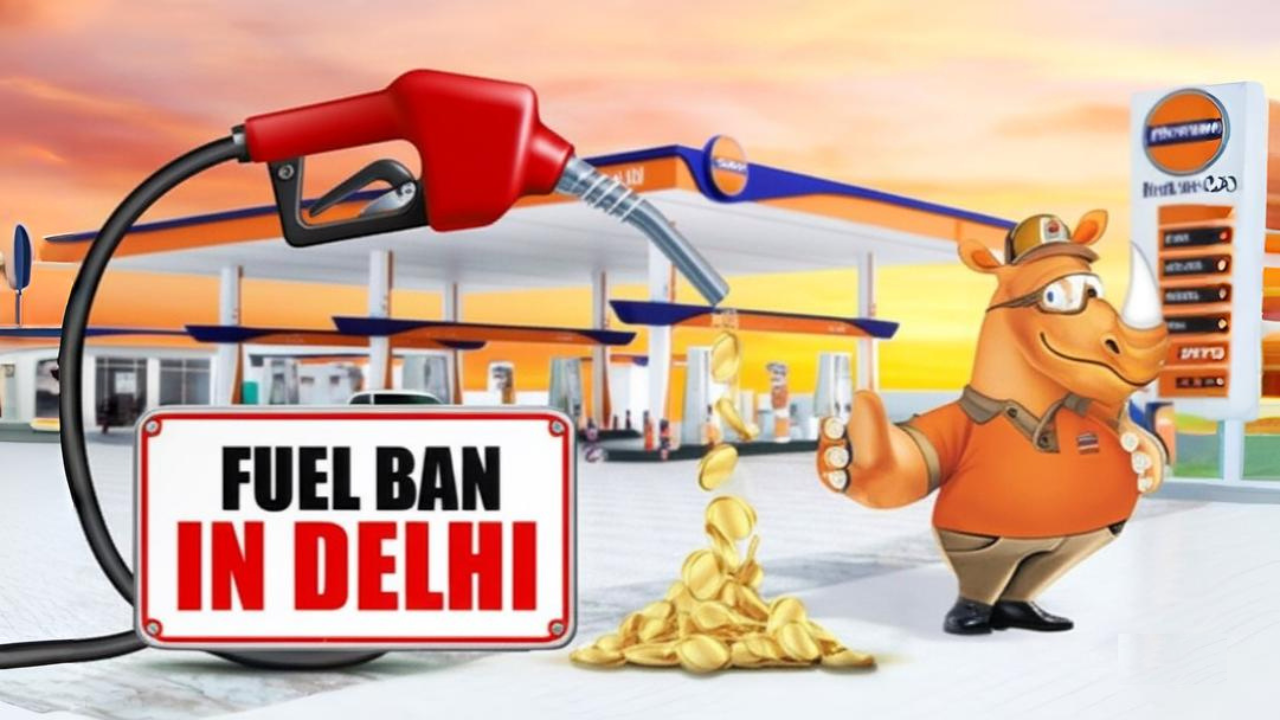
Delhi Fuel Ban: End-of-Life Vehicles to Be Denied Refueling Across NCR from November 2025
The Commission for Air Quality Management (CAQM) has revised its earlier directive, setting a timeline to implement fuel restrictions for end-of-life (EoL) vehicles in the National Capital Region (NCR). Following a meeting on July 8, 2025, the Commission stated that fuel stations in Delhi, Gurugram, Faridabad, Ghaziabad, Gautam Budh Nagar, and Sonipat will stop supplying fuel to EoL vehicles from November 1, 2025. The restriction will extend to all other NCR districts from April 1, 2026.

People Also Search
What penalties can owners of end-of-life vehicles face if they attempt to refuel in Delhi after the ban is implemented?
How will the Automated Number Plate Recognition (ANPR) systems help in enforcing the fuel ban?
What challenges did the Delhi government identify regarding the implementation of the fuel ban?
What alternative measures is the Delhi government taking to improve air quality amidst the fuel ban?
How are the End-of-Life Vehicle (ELV) Rules, 2025 related to the fuel ban in Delhi?
Vehicle Identification Methods
Automated Number Plate Recognition (ANPR) systems will be deployed at fuel stations to identify EoL vehicles. Manual and alternative methods will also be used where required. Vehicles identified as EoL will be denied fuel, regardless of whether they run on petrol or diesel.
The directive applies to all categories of vehicles: two-wheelers, three-wheelers, four-wheelers, light vehicles and heavy commercial vehicles irrespective of their usage.
Legal Enforcement Measures
The directive mandates legal action against EoL vehicles found operating, which includes:
- Impounding
- Disposal through Registered Vehicle Scrapping Facility (RVSF) under 2021 rules
- Other enforcement actions under the Motor Vehicles Act, 1988 and state-specific policies
This move reinforces earlier decisions by the Supreme Court and the National Green Tribunal (NGT), which prohibit the use of:
- Petrol vehicles older than 15 years
- Diesel vehicles older than 10 years
Court Orders and Policy Background
The policy supports past judicial orders aimed at reducing vehicular emissions in the region. Since 2014, the Supreme Court and NGT have directed the deregistration and removal of overage vehicles. The Graded Response Action Plan (GRAP) for Delhi-NCR also calls for enforcement against such vehicles during high pollution periods.
Operational Challenges Raised by Delhi Government
The Delhi Government had earlier pointed out concerns with the ANPR systems, such as:
- Gaps in linking with vehicle registration data
- Sensor and speaker malfunctions
- Inability to detect vehicles with missing or altered High Security Registration Plates (HSRP)
Monitoring
Transport departments across the NCR and NCT of Delhi have been assigned the task of:
- Installing and operating ANPR systems
- Conducting trial runs
- Enforcing restrictions
- Submitting monthly reports to CAQM
Also Read

Log in to post a comment.
End of Article
Trending
TVS Unveils Four New Models at EICMA 2026, Including Three Electric Scooters

Mercedes-Benz GLC EV Launched in India at Rs 78.50 Lakh: Gets 94kWh Battery, 490bhp Power

Honda Alpha EV Set to Launch in India on December 2: Expected Design, Features and Range
Hero Vida UBX 06 Electric Motorcycle Debuts at EICMA 2026: Features, Range and More

Royal Enfield Shotgun 650 ‘Son of a Gun’ Unveiled at EICMA 2026, Only 100 Units to Be Made

BMW M 1000 RS Unveiled at EICMA 2026, Limited to 1,000 Units Worldwide

Harley-Davidson X350T Unveiled at EICMA 2026: Gets Smaller 350cc Engine
Popular
STAY UPDATED Get the latest news from Times Drive