New Delhi


GST Rate Cut on Cars: Tax Rate of 18 Percent for 'Small' Cars from Sep 22, Here's What it Means
The GST Council has approved key reforms that bring small cars, motorcycles up to 350cc, and several other vehicle categories under the 18% tax slab, effective September 22, 2025. Larger cars and motorcycles above 350cc will continue to attract 40% GST.

Keshav Rajput
Updated Sep 22, 2025, 10:15 AM IST

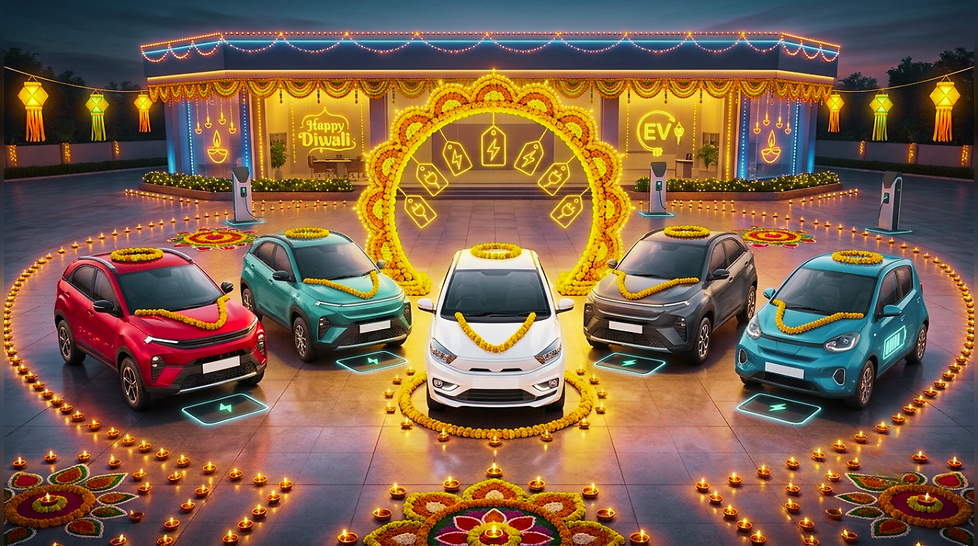
GST on Cars: Tax Rate of 18 Percent for 'Small' Cars from Sep 22, Here's What it Means (Representative Image)
The Goods and Services Tax (GST) Council has announced changes in the tax slabs for automobiles. Starting September 22, 2025, small cars and motorcycles with an engine capacity of 350cc or below will be taxed at 18%, compared to the earlier rate of 28%. Mid-size and large cars, along with motorcycles above 350cc, will remain in the 40% GST slab.
The decision is part of the government’s Next-Generation GST Reforms, first announced by the Prime Minister in his Independence Day address. The Council has moved towards a two-rate system of 5% and 18%, with a focus on predictability and dispute reduction.
GST Rate Changes for Automobiles
- Small cars (up to 1200cc for petrol and 1500cc for diesel, not exceeding 4000mm in length) will be taxed at 18%, down from 28%.
- Motorcycles up to 350cc will move to the 18% slab.
- Mid-size and large cars, along with motorcycles above 350cc, will remain at 40% GST.
Categories Shifted to the 18% Slab
- Petrol, LPG or CNG cars with engine capacity up to 1200cc and length not exceeding 4000mm
- Diesel cars with engine capacity up to 1500cc and length not exceeding 4000mm
- Three-wheeled vehicles
- Goods transport vehicles
- Fuel cell vehicles and tractors (moved to 5% from 12%)
- Road tractors with engine capacity above 1800cc (28% to 18%)
- Motor vehicles for 10 or more persons, including the driver, when running exclusively on bio-fuels
- Ambulances cleared from the factory with medical fittings
Vehicles Remaining at Higher Slabs
- Mid-size and large cars, racing cars and station wagons remain at 40%.
- Motorcycles above 350cc also remain in the 40% category.
- Electric Vehicles remain under 5%.
Industry Reaction
Vinod Aggarwal, Vice Chairman EML and Managing Director & CEO of VE Commercial Vehicles, said, “The GST reform announced yesterday is a very positive and pro-growth move that will immediately lift consumer sentiment and boost demand across a broad range of sectors. It truly a festive gift from the government to the nation and the automotive industry. We wholeheartedly applaud the Finance Minister and the GST Council for reducing GST on commercial vehicles—buses and trucks—from 28% to 18%. This will not only reduce logistics costs for the economy, but encourage customers to upgrade their fleets with modern, fuel efficient and safer trucks and buses. For buses, this will encourage much-needed fleet modernisation by state transport corporations and private operators, strengthening public mobility. For trucks, it will ease cost pressures for fleet operators and stimulate demand in logistics and freight, which are critical for India’s growth momentum. Together with the reduction in GST on auto components, the GST reforms reinforce the government’s commitment to enabling sustainable growth of the auto sector.”Diego Graffi, Chairman and Managing Director, Piaggio Vehicles Pvt. Ltd., said, “The reduction of GST on three-wheelers from 28 to 18 percent is a landmark decision for an industry that contributes 5 to 7 percent of India’s automotive market and continues to serve as the backbone of last-mile transportation. The lower tax rate will make vehicles more affordable and ownership more accessible for drivers and small businesses, thereby enhancing connectivity across both urban and rural markets."
Rashi Agarwal, Co-founder & CBO, Zypp Electric, said, "As India's leading EV Rental platform, the GST Council's decision to maintain the 5% GST rate on electric vehicles is game-changing for our business. This concessional rate keeps EVs affordable, directly impacting our operational costs and accelerating our return on investment. For delivery services where every rupee matters, this GST benefit makes electric vehicles a financially viable alternative to conventional fuel-based bikes. The cost savings help us achieve faster payback periods while contributing to cleaner urban transportation."
Ram Balasubramanian, CFO, Kazam, said, "Until recently, automobiles in India carried a hefty tax burden of nearly 50%, with 28% GST plus an additional 22% cess. Thanks to the latest reforms, the cost of owning a two-wheeler EV is set to drop by Rs 25,000 to Rs 40,000, a welcome relief for the country’s middle class. With GST now at just 5% for EVs and 40% for luxury models, the government has cleared the road for both everyday commuters and premium buyers to confidently embrace electric mobility. However, stakeholders point out that the GST mismatch 18% on procuring equipment for EV charging infrastructure versus 5% on sales continues to strain working capital for new-age companies. We are hopeful that the government would take necessary steps rationalizing this rate accelerate India’s e-mobility dream.”
Log in to post a comment.
End of Article
Trending
Suzuki Unveils 2027 GSX-10R and SV-7S At EICMA 2026: Engine, Features and India Launch Details
TVS RTR 125 Unveiled at EICMA 2026 with Liquid-Cooled Engine
Norton Urban Roadster 450 Unveiled at EICMA 2026: Gets 46bhp Engine, TFT Display and More

Royal Enfield Flying Flea S6 Electric Unveiled at EICMA 2026, Launch in 2027

Royal Enfield Continental GT 750 Unveiled at EICMA 2026; Gets 743cc Engine, Faired and Unfaired Versions

Ducati Unveils Five New Motorcycles at EICMA 2026, Diavel V4 S and DesertX Rally Among Highlights
Royal Enfield Himalayan 750 Makes Global Debut at EICMA 2026; India Launch Soon?
Popular

STAY UPDATED Get the latest news from Times Drive