New Delhi


NXP Launches New Imaging Radar Processors To Support Higher Levels Of Autonomous Driving
NXP Semiconductors has introduced its third-generation imaging radar processors, the S32R47 family, designed to support Level 2+ to Level 4 autonomous driving. These chips aim to increase radar performance and support the evolving needs of software-defined vehicles.

Keshav Rajput
Updated May 8, 2025, 02:34 PM IST
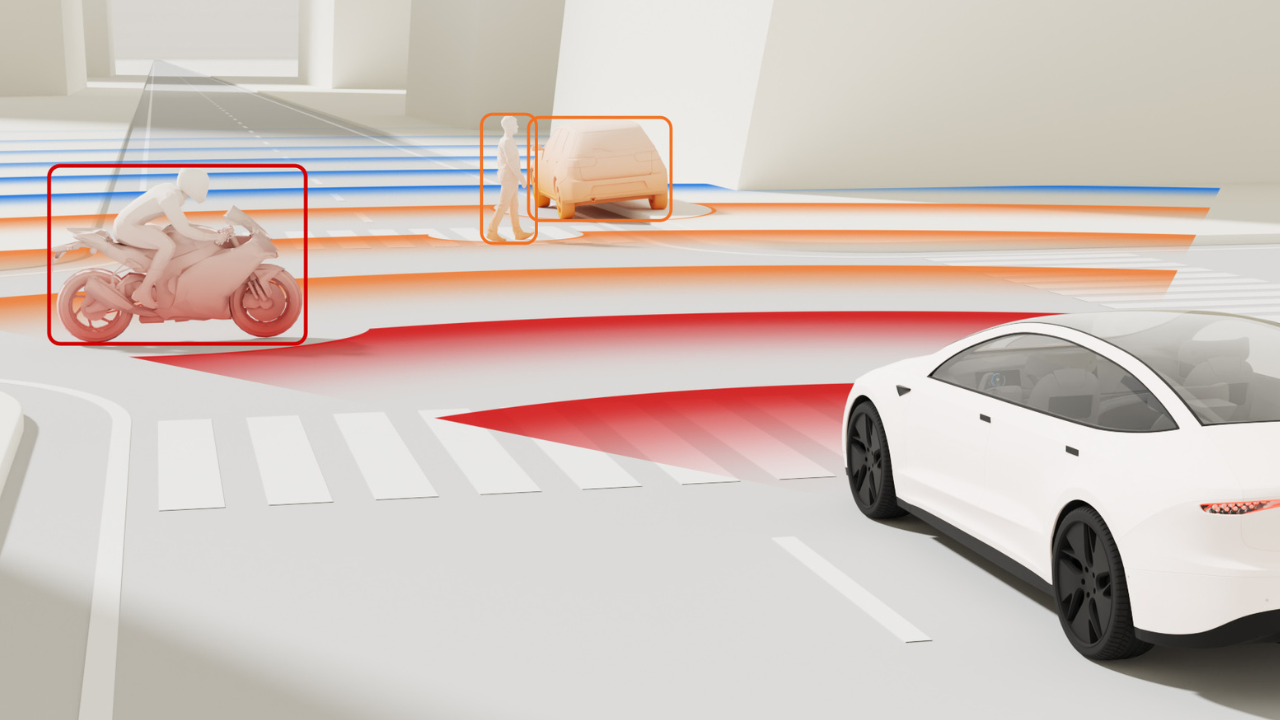
NXP Launches New Imaging Radar Processors To Support Higher Levels Of Autonomous Driving
NXP Semiconductors has announced the launch of its third-generation imaging radar processors, called the S32R47 family. Built on 16 nm FinFET technology, the new chips are designed for Level 2+ to Level 4 autonomous driving systems and are part of the company’s broader radar technology portfolio.
Improved Processing Power for Advanced Driving Tasks
The S32R47 radar processors provide double the processing capability of NXP’s previous generation, while also aiming to reduce system cost and power consumption. This performance increase allows vehicle systems to generate higher-resolution data, which is important for detecting objects such as pedestrians or lost cargo on the road.
Focus on AI Integration and Environmental Modeling
The processors support artificial intelligence and machine learning for radar-based applications like object classification and direction sensing. These functions are essential for systems that operate in complex environments, especially in urban areas with varied road conditions.
Designed for Software-Defined Vehicles
The chips include features that match the requirements of modern software-defined vehicles (SDVs). NXP’s processors can handle denser point clouds, enabling more accurate object separation and classification, which supports features like autopilot navigation and automated parking.
Meindert van den Beld, Senior Vice President & General Manager, Radar & ADAS, said, “The S32R47 can efficiently process three times, or more, antenna channels in real time than today’s production solutions. It enables improved imaging radar resolution, sensitivity and dynamic range - required by demanding autonomous driving use cases - while still meeting the stringent power and system cost targets set by OEMs for volume production.”
System Efficiency and Scalability
Compared to alternative systems, NXP’s solution aims to deliver similar or improved radar performance using fewer antenna channels—up to 89% less—helping reduce the size, power demand and complexity of integration. The processors are compatible with NXP’s wider range of radar components, including transceivers, power management and networking solutions.
Also Read



Log in to post a comment.
End of Article
Trending

CFMoto V4 SR-RR Unveiled at EICMA 2026, Gets 210bhp V4 Engine

Ducati Desmo450 MX Factory, EDX Launched in India: Price, Engine, Features and More

KTM 450 RC Unveiled at EICMA 2026: Gets 56bhp Parallel-Twin Engine, India Launch Ruled Out

VinFast VF MPV 7 EV Gets a Price Cut of Over 4 Lakh: Check New Price

Volkswagen Virtus Facelift Teased Ahead of India Launch: Here's What to Expect

TVS Unveils Four New Models at EICMA 2026, Including Three Electric Scooters

Mercedes-Benz GLC EV Launched in India at Rs 78.50 Lakh: Gets 94kWh Battery, 490bhp Power
Popular



STAY UPDATED Get the latest news from Times Drive