New Delhi


Volvo Uses AI And Virtual Testing For Safety Testing Of Cars
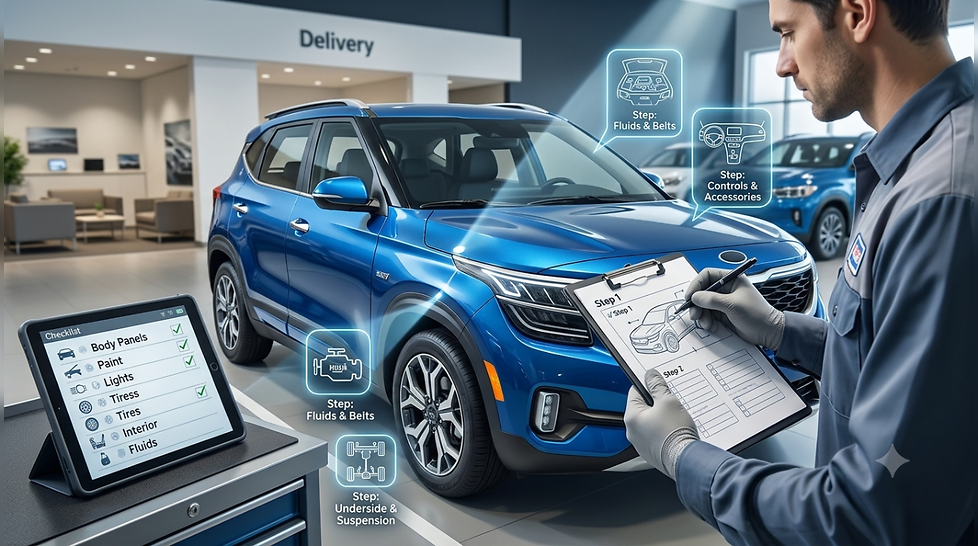
Volvo is utilising AI and virtual environments to enhance safety software development. By processing sensor data from vehicles, the company can recreate and analyze incidents using Gaussian splatting, a computational technique that generates 3D scenes. This approach expedites software testing, improves training, and ultimately bolsters safety measures.

Times Drive Desk
Updated Mar 19, 2025, 02:39 PM IST

Volvo Uses AI And Virtual Testing For Safety Testing Of Cars
The passenger vehicle division of Volvo has announced that it is incorporating artificial intelligence (AI) and virtual environments into its safety software development. Sharing this update the company revealed that it is using AI-generated virtual simulations to analyse incident data collected by vehicle sensors.
According to the company, these sensors record events such as emergency braking, sharp steering or manual interventions, data of which is processed to reconstruct incidents and examine different scenarios to study accident prevention.
Volvo states that this process is carried out using Gaussian splatting, a computational technique that creates 3D scenes from real-world visuals. The virtual environments allow changes in road conditions, traffic behavior and obstacles to simulate various outcomes. With this technique the company can test safety software in different traffic situations. The company is undertaking this advanced testing module to reduce potentially hazardous cases.
Virtual Testing And Software Development
Volvo combines virtual testing with real-world testing for software training, development and validation. These virtual environments are created in collaboration with Zenseact, an AI and software company founded by Volvo Cars. The initiative is also part of a PhD program with Swedish universities, which examines neural rendering techniques for potential future use in safety applications. The study is supported by Wallenberg AI, Autonomous Systems and Software Program (WASP).
Use Of Data For Safety Research
Volvo is synonymous with safety and the company states that it has collected data for safety research since the 1970s. The company’s Safety Research team has analyzed accident data to study crash patterns. The findings have contributed to the development of safety measures such as the Whiplash Injury Protection System and Side Impact Protection System. The use of AI and data processing is now part of this ongoing work. AI and virtual simulations are being used to study and develop safety technologies, with a focus on analyzing traffic conditions and improving driver assistance systems.
Alwin Bakkenes, Head of Global Software Engineering at Volvo Cars said, “We already have millions of data points of moments that never happened that we use to develop our software. Thanks to Gaussian splatting we can select one of the rare corner cases and explode it into thousands of new variations of the scenario to train and validate our models against. This has the potential to unlock a scale that we’ve never had before and even to catch edge cases before they happen in the real world”.
Log in to post a comment.
End of Article
Trending

2027 Harley-Davidson Sprint 440 Breaks Cover Ahead Of EICMA 2026 Debut; Will it Come to India?

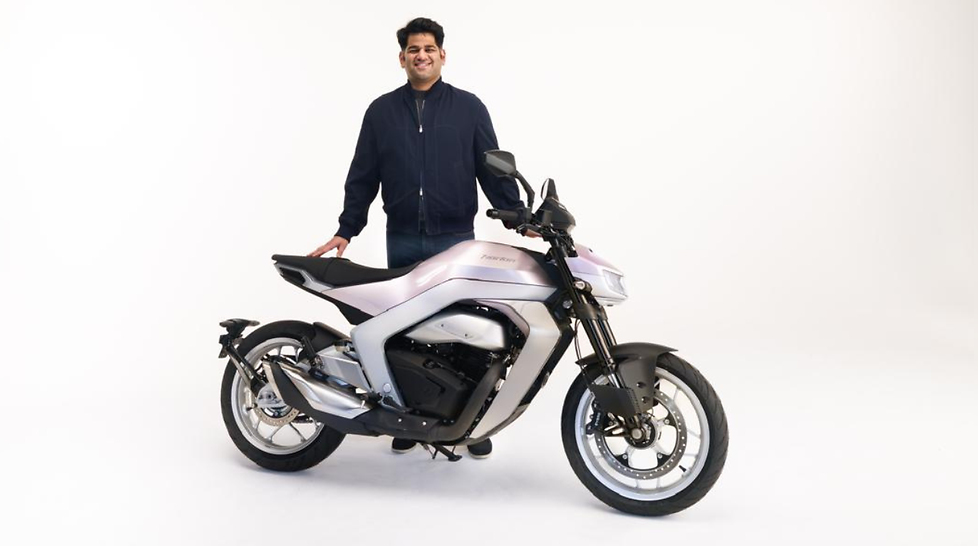
Norton 450 Urban Roadster Revealed Ahead of EICMA 2026 Debut
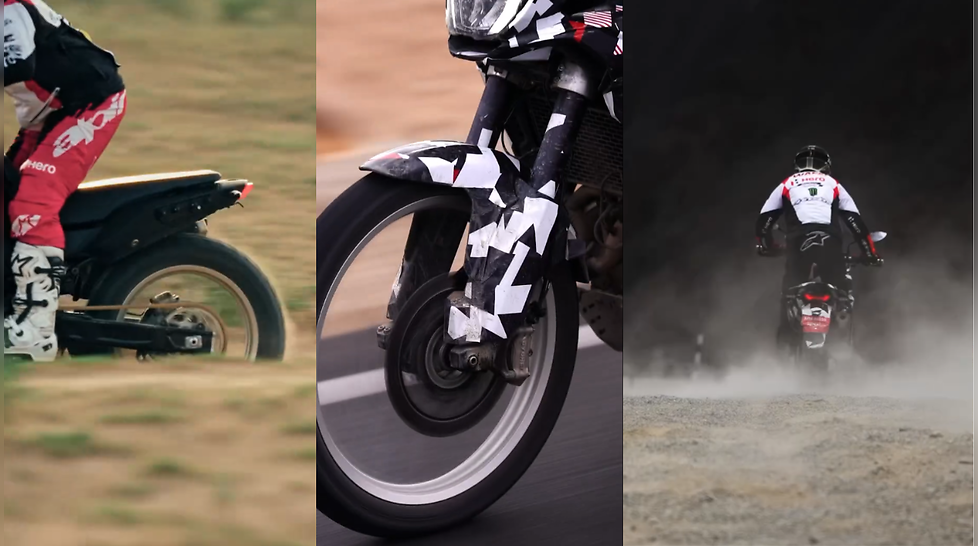
Hero Xpulse 421 Teased Ahead of EICMA 2026 Debut; India Launch Expected in 2027

Hyundai Registers Over 16 Percent Growth in Car Sales for October 2026

Mahindra Posts Over 2 Percent Growth in Monthly Car Sales for October 2026
Maruti Suzuki Records Over 20 Percent Growth in Car Sales for October 2026

New Mini Cooper SE India Launch on November 27: Expected Price, Range, Battery, Features and More
Popular





STAY UPDATED Get the latest news from Times Drive