New Delhi


Yamaha XSR 155 vs Hero Xtreme 160R 4V Spec Comparison: What’s Different?
The Yamaha XSR 155 and Hero Xtreme 160R 4V cater to the entry-level performance segment in India, with distinct differences in specifications. Yamaha features a Deltabox frame and a 155cc engine producing 18.4 PS, while Hero utilizes a tubular frame and a 163.2cc engine generating 16.9 PS. Both bikes come with advanced braking systems. Yamaha’s dimensions are slightly more compact, with a lower kerb weight, while Hero offers a larger fuel tank. Overall, each motorcycle has unique characteristics appealing to different riders.

Keshav Rajput
Updated Feb 10, 2026, 05:19 PM IST

Yamaha XSR 155 vs Hero Xtreme 160R 4V Spec Comparison: What’s Different?
The Yamaha XSR 155 and the Hero Xtreme 160R 4V are positioned in a similar entry-level performance bracket in the Indian market. While their prices are separated by a noticeable margin, the two motorcycles differ across engine configuration, chassis setup, dimensions and onboard equipment. A closer look at the specification sheets highlights how each model approaches the segment.

People Also Search
What are the main features of the Hero Xtreme 250R?
How does the KTM 160 Duke compare to the Hero Xtreme 160R?
What unique features does the Hero Xtreme 160R 4V offer?
What are the differences in braking systems between these bikes?
What design elements distinguish the Yamaha XSR155?
Design and platform
The Yamaha uses a Deltabox frame and a link-type rear swingarm arrangement, paired with upside-down front forks measuring 37 mm in diameter. The Hero, in contrast, is based on a tubular underbone diamond type frame with a box-section swingarm. It also employs 37 mm KYB upside-down forks at the front, while the rear gets a seven-step adjustable monoshock.
Engine and performance figures
Powering the Yamaha is a 155cc, liquid-cooled, single-cylinder engine with a SOHC, four-valve head. The unit produces 18.1bhp at 10,000 rpm and 14.2 Nm of torque at 7,500 rpm. The compression ratio is rated at 11.6:1. Fuel injection, an electric starter and a wet multi-plate clutch are standard. The motorcycle is also compatible with E20 fuel.
The Hero is equipped with a 163.2cc, air-oil cooled, four-valve engine. Output stands at 16.6bhp at 8,500 rpm, while peak torque is rated at 14.6Nm at 6,500 rpm. The compression ratio is listed at 10.1:1, and the setup is mated to a five-speed constant mesh transmission with a multi-plate wet clutch.
Braking and tyres
Braking duties on the Yamaha are handled by a 282 mm disc at the front and a 220 mm disc at the rear, supported by dual-channel ABS. The Hero uses a 276 mm petal disc at the front and a 220 mm petal disc at the rear, also backed by dual-channel ABS. In addition, it includes a panic brake alert function.
Tyre sizing differs at the rear. The Yamaha runs a 100/80-17 front and a 140/70-17 rear tubeless setup, whereas the Hero uses a 100/80-17 front and a 130/70 R17 rear combination.
Dimensions and capacity
In terms of physical footprint, the Yamaha measures 2005 mm in length, 805 mm in width and 1,080 mm in height, with a wheelbase of 1,325 mm. Ground clearance is rated at 170 mm at kerb weight and 120 mm when laden. Seat height is 810 mm, kerb weight is 137 kg, and fuel tank capacity stands at 10 litres.
The Hero is longer at 2029 mm, narrower at 793 mm and lower at 1052 mm. Ground clearance is listed at 165 mm and the seat height is 800 mm. The kerb weight is 147.5 kg, and the motorcycle carries a 12-litre fuel tank.
Log in to post a comment.
End of Article
Trending
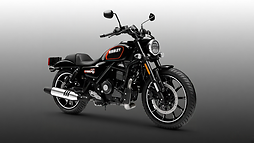
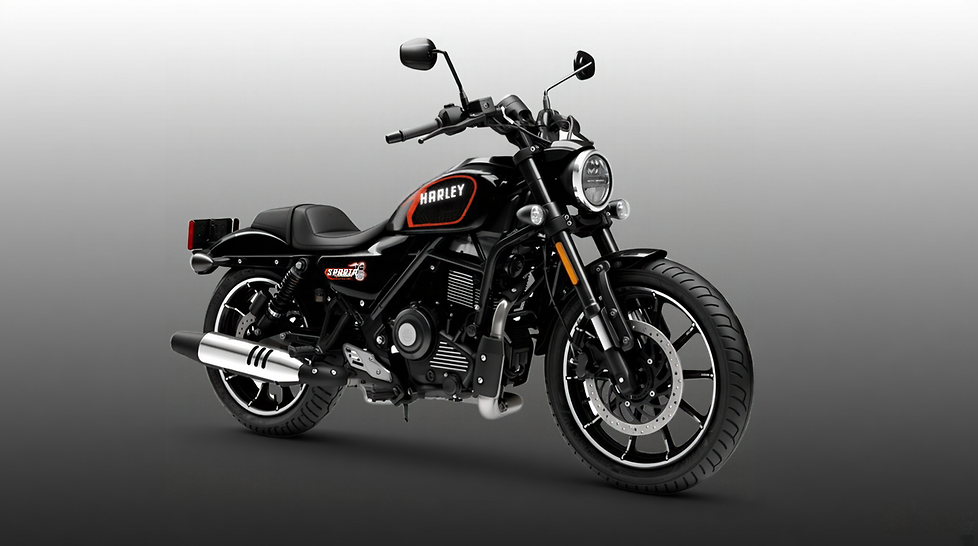
2027 Harley-Davidson Sprint 440 Breaks Cover Ahead Of EICMA 2026 Debut; Will it Come to India?
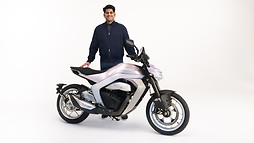
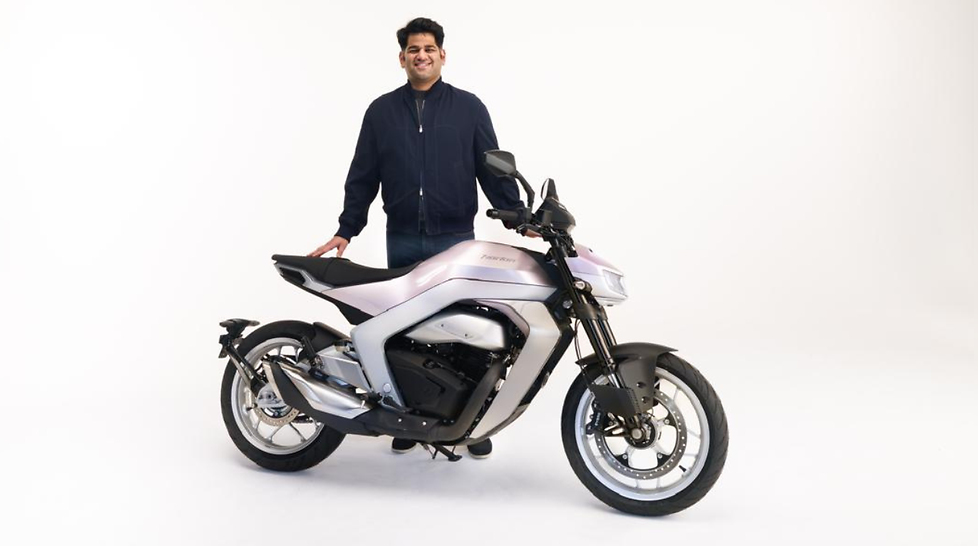
Norton 450 Urban Roadster Revealed Ahead of EICMA 2026 Debut
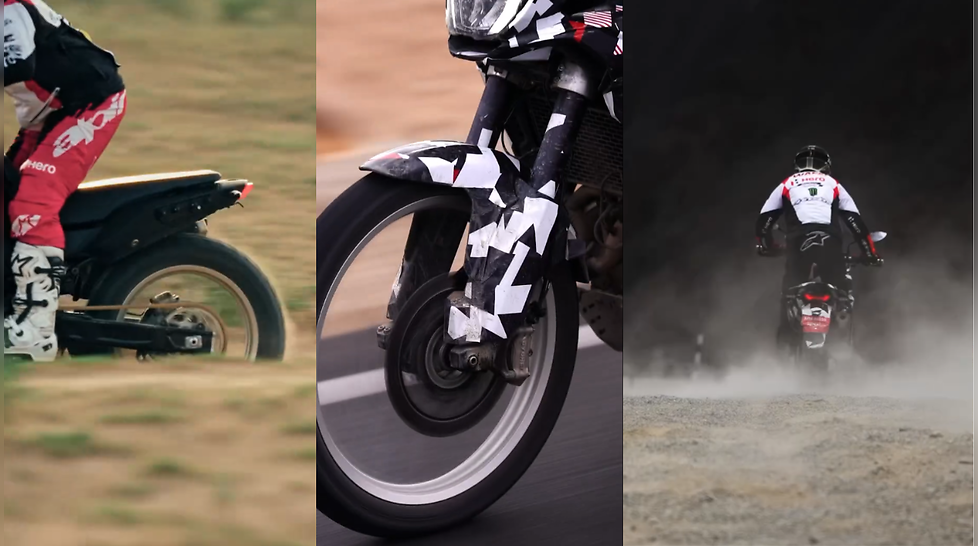
Hero Xpulse 421 Teased Ahead of EICMA 2026 Debut; India Launch Expected in 2027
Hyundai Registers Over 16 Percent Growth in Car Sales for October 2026
Mahindra Posts Over 2 Percent Growth in Monthly Car Sales for October 2026
Maruti Suzuki Records Over 20 Percent Growth in Car Sales for October 2026
New Mini Cooper SE India Launch on November 27: Expected Price, Range, Battery, Features and More
Popular

STAY UPDATED Get the latest news from Times Drive