New Delhi


10 Essential Motorcycle Maintenance Tips For The Monsoon Season
Motorcycle maintenance during the rainy season is crucial for safety and performance. Key practices include parking in covered areas to minimize water exposure, lubricating components to prevent rust, and checking brake pads and tyre treads for wear. Regular inspection of the drive chain and air filter is necessary to ensure optimal functionality. Applying protective coatings can prevent corrosion, while clear helmet visors enhance visibility. Pre-monsoon servicing is vital for identifying potential issues, and riders should confirm their insurance coverage for rainy conditions.

Keshav Rajput
Updated Jul 1, 2025, 02:44 PM IST
10 Essential Motorcycle Maintenance Tips For The Monsoon Season
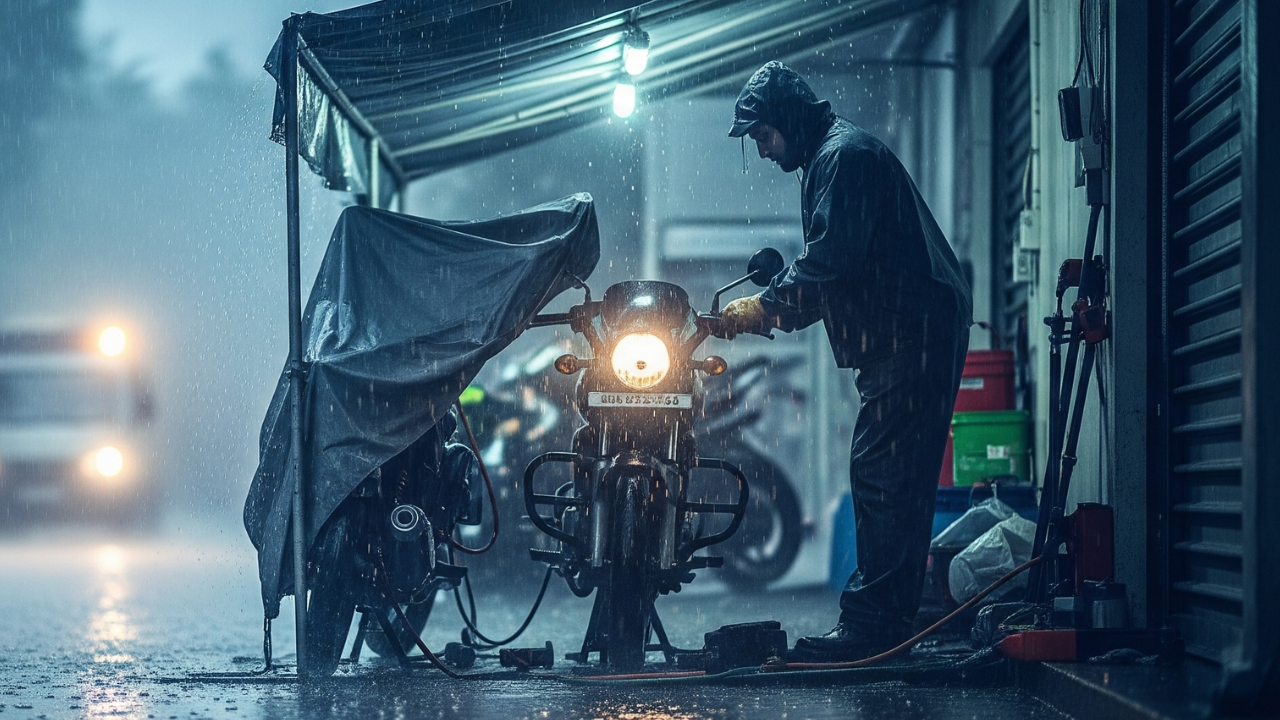
Riding a motorcycle during the rainy season requires specific maintenance and safety measures. Continuous exposure to water, mud, and moisture can affect the function and condition of various components. The following tips outline key actions to take during the monsoon period.

People Also Search
How do the maintenance needs of motorcycles compare to those of cars during the monsoon season?
What specific actions can drivers take to enhance visibility while driving in the rain?
What are the benefits of participating in seasonal service camps offered by automotive brands during the monsoon?
How does tire maintenance differ between motorcycles and cars, especially during the monsoon?
What role does regular engine oil change play in motorcycle maintenance, particularly during wet conditions?
10 Essential rainy season bike care tips to protect your ride from rust, skids, and breakdowns
1. Park in a Covered Area
Park the motorcycle in a closed and covered space to reduce water exposure when it is not in use. Motorcycles parked in open spaces are directly exposed to rain. Due to rain moisture may buildup and lead to corrosion of metal parts and deterioration of wiring.
2. Lubricate Levers, Hinges and Joints
Rain increases the chance of rust forming on parts such as brake levers, clutch levers, footpegs and side stands. Applying lubricant or rust-preventive solutions on these components can help maintain their movement and prevent mechanical resistance.
3. Check Brake Pads for Wear
Brake efficiency may reduce during wet conditions. Brake pads should be checked for signs of wear. Replacing worn-out pads is necessary to maintain consistent braking response during rain.
4. Inspect Tyre Treads
Tyres with worn treads do not displace water properly and can lose grip. Tread depth should be measured and tyres with minimal grooves should be replaced to avoid skidding or sliding on wet surfaces. Inspect your tires for proper inflation because under-inflated tires can affect handling and increase wear, while over-inflated tires can reduce traction. Regular checks can prevent blowouts and ensure safety.
5. Clean and Lubricate the Drive Chain
Chains accumulate water, dirt and mud during monsoon use. Without cleaning and lubrication, the chain may rust and cause uneven movement. The chain is crucial for transferring power from the engine to the wheels. so clean and lubricate the chain on regular intervals for smooth operation and prolong its life.
6. Check and Replace the Air Filter if Required
Air filters may retain moisture and dust, especially in humid conditions. A clogged filter restricts airflow and affects engine function. The filter should be examined periodically and replaced if necessary.
7. Apply Protective Coating on Surface Panels
Surface treatments such as ceramic or Teflon coating create a layer that resists water contact. These coatings can be applied through workshops to prevent corrosion and reduce direct impact from rain. Use microfibre cloth to clean your bike on daily intervals.
8. Use a Clear Helmet Visor
Visibility becomes limited during rain and low-light hours. Clear helmet visors without scratches are more effective than tinted ones in these conditions. Riders can also apply water-repelling solutions on visors to keep the view unobstructed.
9. Complete Mechanical Servicing
Get your motorcycle serviced before monsoon season starts, as it can help in identifying issues in the braking system, tyres, electrical components and engine. Technicians should inspect fluid levels, wiring insulation and control systems to ensure they remain functional during wet use.
10. Review the Insurance Policy
Monsoon riding carries increased chances of accidents, falls and water-related damage to the motorcycle. The Rider should confirm their insurance is valid and covers risks relevant to the rainy season, including vehicle repair or replacement.
Also Read



Log in to post a comment.
End of Article
Trending

EV Diwali 2026: 5 Most Affordable Electric Cars You Can Buy in India

5 Most Affordable Hybrid Cars You Can Buy in India This Diwali

5 Most Affordable Cars with Sunroofs to Buy This Diwali
Which Are the Best Bikes Under Rs 1 Lakh
Which Are the Most Affordable Superbikes in India

New Car Delivery Checklist: How to Do a Pre-Delivery Inspection (PDI) Step by Step
Car Dashboard Warning Lights: What Each Symbol Means and What to Do
Popular





STAY UPDATED Get the latest news from Times Drive