New Delhi


Are You Driving Your Automatic Car Wrong? 5 Habits to Stop
Automatic cars are gaining popularity in India for their convenience, but proper driving habits are essential to prevent transmission wear and costly repairs. Key mistakes to avoid include shifting to Neutral while driving, resting hands on the gear selector, changing between Drive and Reverse without stopping, pressing both accelerator and brake pedals simultaneously, and neglecting regular maintenance. Following these guidelines ensures better vehicle control and longevity. Ultimately, drivers should let the automatic transmission function as intended and only intervene when necessary.

Updated Oct 8, 2026, 11:46 AM IST
Are You Driving Your Automatic Car Wrong? 5 Habits to Stop
Automatic cars have become increasingly popular in India as buyers look for easier and more convenient driving options. Unlike manual cars, automatic cars handle gear changes without requiring the driver to operate a clutch pedal or manually select every gear.
However, automatic transmissions still require the right driving habits. Certain actions can increase transmission and brake wear, reduce vehicle control or result in expensive repairs.
Here are five things you should avoid doing in an automatic car.
What Should You Not Do In An Automatic Car?
| Things to avoid | Why you should avoid it |
| Shifting to Neutral while driving | Reduces control and eliminates engine braking |
| Resting your hand on the gear selector | Can put unnecessary pressure on the selector mechanism |
| Shifting between Drive and Reverse while moving | Can put excessive stress on the transmission |
| Pressing the accelerator and brake together | Can increase brake and drivetrain wear |
| Ignoring regular maintenance | Can lead to expensive repairs and reduced reliability |
1. Don't Shift To Neutral While Driving
One common practice among some drivers is shifting an automatic car into N (Neutral) while driving downhill or coasting in an attempt to save fuel.
This is not recommended.
When the transmission is in Neutral, the engine is disconnected from driving the wheels. This means the driver loses the benefit of engine braking and may have less control over the vehicle.
In situations where immediate acceleration is required, the car also cannot respond in the same way as it would while remaining in Drive.
Is It Safe To Drive An Automatic Car In Neutral?
No. It is better to keep the car in the appropriate driving mode while moving rather than shifting into Neutral to free-roll downhill.
Drivers should also avoid repeatedly shifting between Drive and Neutral while the vehicle is moving unless specifically required by the vehicle's operating instructions.
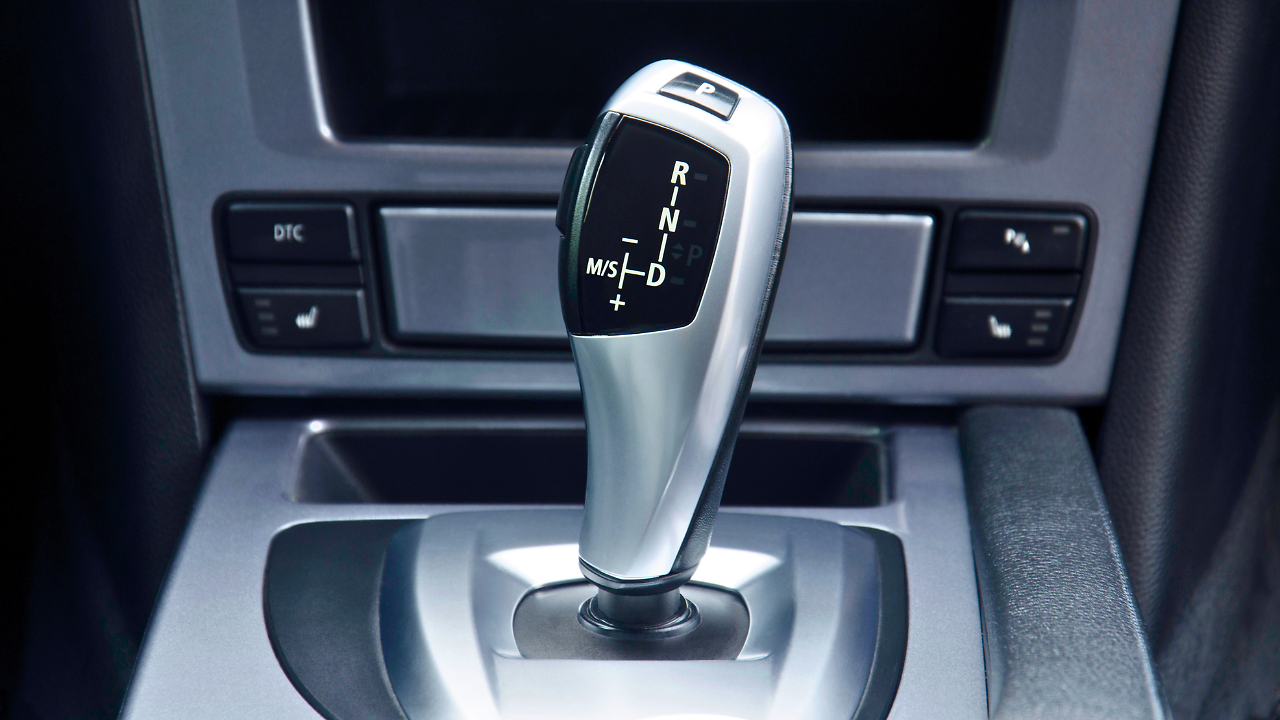
2. Don't Rest Your Hand On The Gear Selector
The gear selector should not be used as an armrest.
Keeping your hand resting on the selector can unintentionally apply pressure to the mechanism. While modern automatic transmissions are designed to withstand normal use, unnecessary pressure or repeated interaction with the selector can contribute to wear over time.
It is also safer to keep both hands properly positioned on the steering wheel, particularly when driving at higher speeds.
Where Should You Keep Your Hands While Driving?
Keep your hands on the steering wheel in a position that allows you to maintain proper control of the vehicle. Use the gear selector only when you actually need to change the transmission setting.
3. Don't Shift Between Drive And Reverse While The Car Is Moving
One of the more important rules when driving an automatic car is to avoid selecting Reverse while the vehicle is still moving forward, or Drive while it is still moving backward.
For example, when parking, don't immediately move the selector from Reverse to Drive while the car is still rolling backwards.
Should You Stop Completely Before Changing From D To R?
Yes. Bring the car to a complete stop before changing between Drive and Reverse.
This gives the transmission time to engage the required direction without having to counteract the vehicle's existing movement.
A safer sequence is:
- Apply the brake.
- Bring the vehicle to a complete stop.
- Select Drive or Reverse.
- Release the brake progressively and move.
Repeatedly changing direction without stopping can place unnecessary stress on transmission components and potentially result in costly repairs.
4. Don't Press The Accelerator And Brake At The Same Time
Using the accelerator and brake pedals simultaneously is another driving habit that should be avoided.
Keeping the brake partially applied while accelerating can generate additional heat and accelerate brake-pad and disc wear. Depending on the vehicle and driving situation, it can also place unnecessary load on the drivetrain.
This can happen accidentally in stop-and-go traffic, during manoeuvring or when drivers use both feet.
Can You Press The Brake And Accelerator Together In An Automatic Car?
It is generally not recommended during normal driving. Use the brake pedal when slowing or stopping and the accelerator when you need to accelerate.
Drivers should also avoid resting their foot on the brake pedal while driving, as even light and continuous pressure can cause unnecessary brake wear.
5. Don't Neglect Regular Maintenance
An automatic transmission is a mechanical system that requires appropriate maintenance. Ignoring routine servicing can increase the risk of mechanical problems and expensive repairs.
The maintenance requirements vary depending on the type of automatic transmission, including:
- AMT
- Torque-converter automatic
CVT DCT
Drivers should follow the maintenance schedule specified by the vehicle manufacturer.
What Maintenance Does An Automatic Car Need?
Depending on the vehicle, regular maintenance may include:
- Engine oil replacement
- Transmission fluid inspection or replacement, where applicable
- Brake inspection
- Tyre rotation and inspection
- Battery checks
- Air filter replacement
- Inspection of transmission components
- Software or electronic system updates, where applicable
Not every automatic transmission requires the same service procedure. Therefore, owners should refer to the manufacturer's recommended maintenance schedule rather than assuming that every automatic gearbox needs the same treatment.
5 Automatic Car Mistakes To Avoid: Quick Checklist
Before driving an automatic car, remember these five basic rules:
- Don't shift to Neutral while coasting or going downhill just to save fuel.
- Don't use the gear selector as an armrest.
- Don't change between Drive and Reverse until the vehicle has stopped completely.
- Don't press the accelerator and brake pedals simultaneously during normal driving.
- Don't skip scheduled maintenance.
Frequently Asked Questions
Is it bad to put an automatic car in Neutral while driving?
It is best to avoid shifting into Neutral while driving simply to coast or save fuel. Doing so removes engine braking and can reduce vehicle control.
Can I change from D to R without stopping?
No. You should bring the automatic car to a complete stop before changing between Drive and Reverse.
Is it okay to rest your hand on an automatic gear selector?
It is better to avoid using the gear selector as an armrest. Use it only when changing the transmission setting and keep your hands on the steering wheel while driving.
Can I press the accelerator and brake together in an automatic car?
During normal driving, you should not press both pedals simultaneously. Doing so can increase brake and drivetrain wear and generate additional heat.
How often should an automatic car be serviced?
The recommended service interval depends on the car, engine and type of automatic transmission. Always follow the maintenance schedule specified by the manufacturer.
Log in to post a comment.
End of Article
Trending

How to Improve Car Mileage: Simple Tips To Get Better Fuel Efficiency

Ex-Showroom vs On-Road Price: What is The Difference and What Do You Actually Pay?
Car Safety Features Explained: From Airbags to ADAS, What Do They Actually Do?
How To Drive An Automatic Car: A Beginner’s Guide
How To Choose The Right Tyres For Your SUV: HT vs AT vs MT Explained

Honda Elevate Facelift vs Hyundai Creta Spec Comparison: What's Different?

Skoda Slavia Facelift vs Volkswagen Virtus Spec Comparison: What's Different?
Popular




STAY UPDATED Get the latest news from Times Drive