New Delhi


GRAP 1, 2, 3, 4 Explained: How They will Impact Your Car and Bike This Season
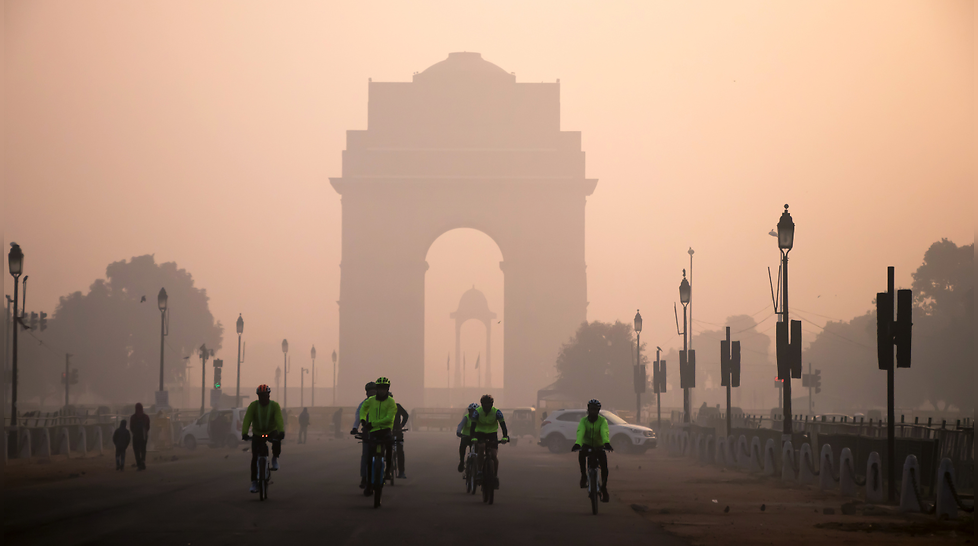
Delhi NCR faces heightened pollution concerns during winter, prompting the implementation of the GRAP to manage air quality through escalating restrictions. GRAP consists of four stages, each corresponding to worsening air quality.

Updated Oct 22, 2026, 01:05 PM IST
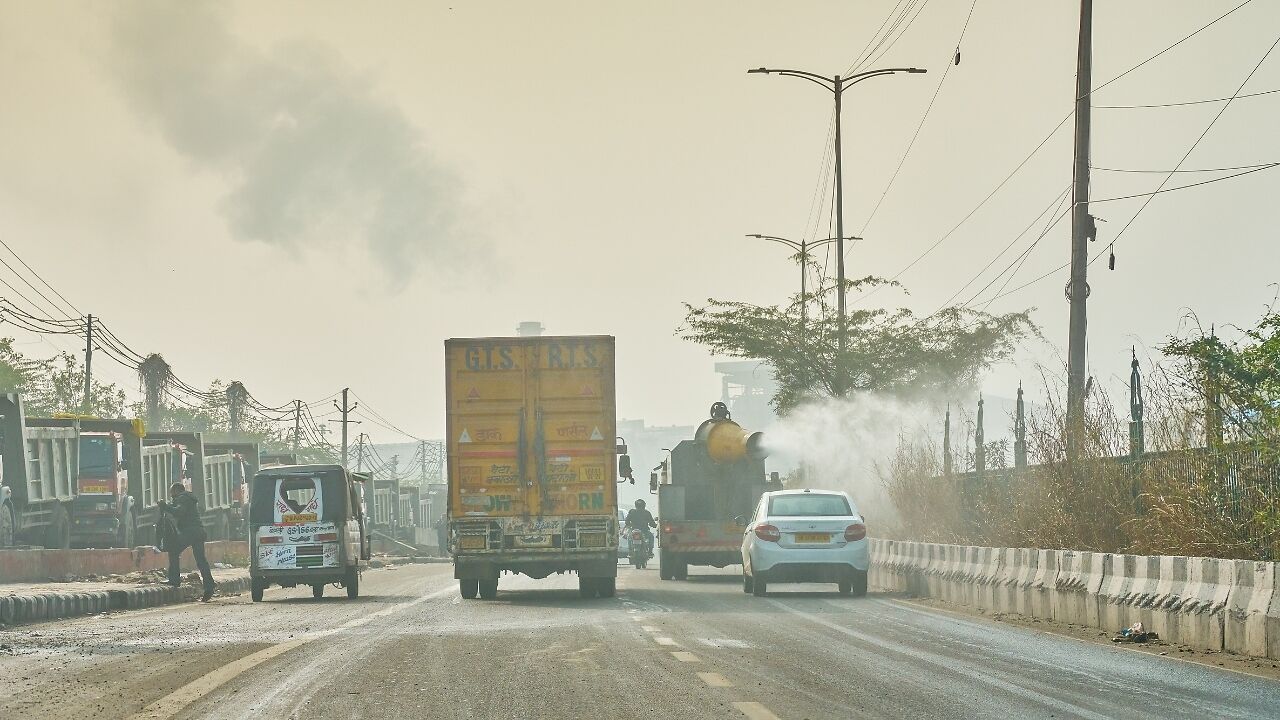
GRAP 1 to 4 Explained: How They will Impact Your Car and Bike This Season
Delhi NCR’s pollution levels usually become a major concern during the winter months, bringing stricter rules for cars, bikes and other vehicles. The Graded Response Action Plan (GRAP) is designed to control air pollution through a series of measures that become stricter as air quality deteriorates. Depending on the GRAP stage in force, motorists may face restrictions related to vehicle emissions, fuel types, construction activities and the use of older vehicles.
Here is a simple guide to GRAP 1, 2, 3 and 4 restrictions and how they can affect your daily commute this season.
What is GRAP and Why Is It Implemented?
The Graded Response Action Plan, or GRAP, is a set of emergency measures used to control air pollution in Delhi NCR. It is implemented in stages based on air quality levels and pollution forecasts.
The Commission for Air Quality Management (CAQM) oversees the plan, with different authorities responsible for enforcing the measures. The restrictions can affect private vehicles, commercial transport, construction activities and other pollution-generating activities.
GRAP is divided into four stages:
- Stage 1: Poor air quality
- Stage 2: Very poor air quality
- Stage 3: Severe air quality
- Stage 4: Severe-plus air quality
The exact restrictions depend on the stage activated by the authorities. Measures can also be added or modified through separate official orders, so motorists should check the latest announcements before travelling.
What Are the GRAP 1 Restrictions for Cars and Bikes?
GRAP Stage 1 is activated when Delhi's air quality falls into the poor category. It focuses mainly on preventive measures to reduce emissions and stop pollution from getting worse. For private car and bike owners, Stage 1 generally does not introduce a blanket ban on regular personal vehicles. However, authorities may intensify checks to ensure vehicles comply with emission standards.
Motorists should keep the following points in mind:
- Keep a valid Pollution Under Control (PUC) certificate.
- Ensure your vehicle is properly maintained to reduce exhaust emissions.
- Avoid unnecessary idling and use public transport when practical.
- Follow any local traffic or pollution-control directions issued by authorities.
If you own a petrol or diesel car or motorcycle that meets the applicable requirements, you can generally continue using it unless a separate restriction applies.
What Are the GRAP 2 Restrictions for Cars and Bikes?
Stage 2 comes into effect when air quality reaches the very poor category. At this stage, authorities intensify pollution-control measures, including steps to reduce emissions from transport. For private vehicle owners, the focus remains on limiting unnecessary pollution rather than imposing a universal ban on all cars and bikes.
Possible measures include increased traffic management, stricter enforcement of pollution-related rules, and encouraging people to use public transport. Authorities may also take steps to improve public transport services and reduce congestion.
If you commute daily by car or motorcycle, consider combining trips, avoiding unnecessary driving and keeping your vehicle in good condition. These steps can help reduce fuel consumption and emissions. It is important to remember that GRAP Stage 2 does not automatically mean that every petrol or diesel vehicle is banned. Any specific vehicle restriction must be checked against the applicable official order.
What Are the GRAP 3 Restrictions for Cars and Bikes?
Stage 3 is activated when air quality reaches the severe category. This stage can have a more direct impact on motorists because additional vehicle-related restrictions may be introduced. One of the most important measures to watch is the restriction on certain older vehicles in Delhi NCR. Depending on the applicable CAQM directions, the use of specific categories of petrol and diesel vehicles may be restricted, including vehicles that do not meet the required emission standards.
Other measures may include tighter controls on construction activities and additional steps to reduce road traffic emissions.
Before taking your car or bike out during Stage 3, check the following:
- Whether your vehicle's fuel type and emission standard are affected by the latest order.
- Whether any age-related or end-of-life vehicle restriction applies to your vehicle.
- Whether your area has additional traffic or vehicle-use restrictions.
- Whether your vehicle has a valid PUC certificate.
Do not assume that every older vehicle is automatically banned across the entire NCR. The applicable restrictions can differ according to the vehicle category, location and the specific order in force. If your vehicle is affected, consider using the metro, buses, carpooling or other permitted transport options until the restrictions are relaxed.
What Are the GRAP 4 Restrictions for Cars and Bikes?
Stage 4 is the highest level of GRAP and is activated when air quality reaches the severe-plus category or when the authorities consider emergency measures necessary. At this stage, restrictions can become significantly stricter. Additional controls may be imposed on vehicle movement, commercial transport and other activities contributing to pollution.
For car and bike owners, the most important point is that Stage 4 does not automatically mean a complete ban on all private vehicles. Instead, the impact depends on the specific emergency directions issued by the authorities.
Measures may include stricter enforcement of existing vehicle restrictions, controls on certain categories of vehicles and additional traffic-management measures. Restrictions on vehicle use can also be accompanied by measures affecting offices, schools, construction and industrial activity.
If you need to travel during Stage 4, check official updates before starting your journey. Do not rely only on social media posts or old news reports, as the restrictions may change when the pollution situation improves or worsens.
How Will GRAP Affect Petrol, Diesel, CNG and Electric Vehicles?
The impact of GRAP depends on the vehicle category and the restrictions in force. Fuel type alone does not guarantee exemption from every rule. Petrol cars and bikes: Vehicles that meet the applicable requirements can generally continue to operate during the lower GRAP stages. However, older petrol vehicles may be affected by specific restrictions introduced during severe pollution episodes.
Diesel cars and bikes: Diesel vehicles can face additional scrutiny because of their emissions. Certain older diesel vehicles may be restricted under applicable orders, so owners should verify the rules before travelling.
CNG vehicles: CNG vehicles generally produce lower tailpipe emissions than comparable petrol or diesel vehicles, but they must still comply with applicable vehicle rules. CNG does not automatically exempt a vehicle from every restriction.
Electric cars and scooters: Electric vehicles do not produce tailpipe emissions while driving and can be a useful alternative during pollution episodes. However, owners must still follow traffic rules and any applicable restrictions that specifically cover their vehicle category.
Read More: Best Cars for Long Drives
The most important factor is the official order in force, not simply whether a vehicle runs on petrol, diesel, CNG or electricity.
What Should Car and Bike Owners Do During GRAP Restrictions?
Motorists can avoid last-minute problems by following a few basic steps during the pollution season.
First, check the latest GRAP stage announced by CAQM and the Delhi government. Second, keep your PUC certificate and vehicle documents up to date. Third, verify whether any restriction applies to your vehicle's age, fuel type or emission standard.
If you are planning a long journey, check traffic advisories and local restrictions before leaving. During the higher GRAP stages, public transport may be a more practical option for daily commuting. Avoid unnecessary trips, do not leave your engine running while parked, and maintain your vehicle regularly. These steps will not only help reduce emissions but may also improve fuel efficiency.
Log in to post a comment.
End of Article
Trending
Which Are the Most Affordable 350cc Bikes in India?

Best Cars with ADAS Under Rs 25 Lakh

Best Cars with 6 Airbags in India in 2026: Price, Safety Features and Variants

Best Cars for Long Drives
7 Affordable Cars with a 360-Degree Camera You Can Buy This Diwali
Best Cars for Senior Citizens

Toyota Glanza Facelift vs Maruti Suzuki Swift Spec Comparison: What's Different?
Popular


STAY UPDATED Get the latest news from Times Drive