New Delhi


No PUC, No Fuel in Delhi From November 1; Non-BS6 Outstation Vehicles Banned Till January 31
Delhi has unveiled its winter pollution strategy, featuring strict vehicle entry rules, mandatory pollution certificates for fuel, and construction bans starting November 1 to combat deteriorating air quality as the capital enters the winter season.

Updated Oct 22, 2026, 10:52 AM IST
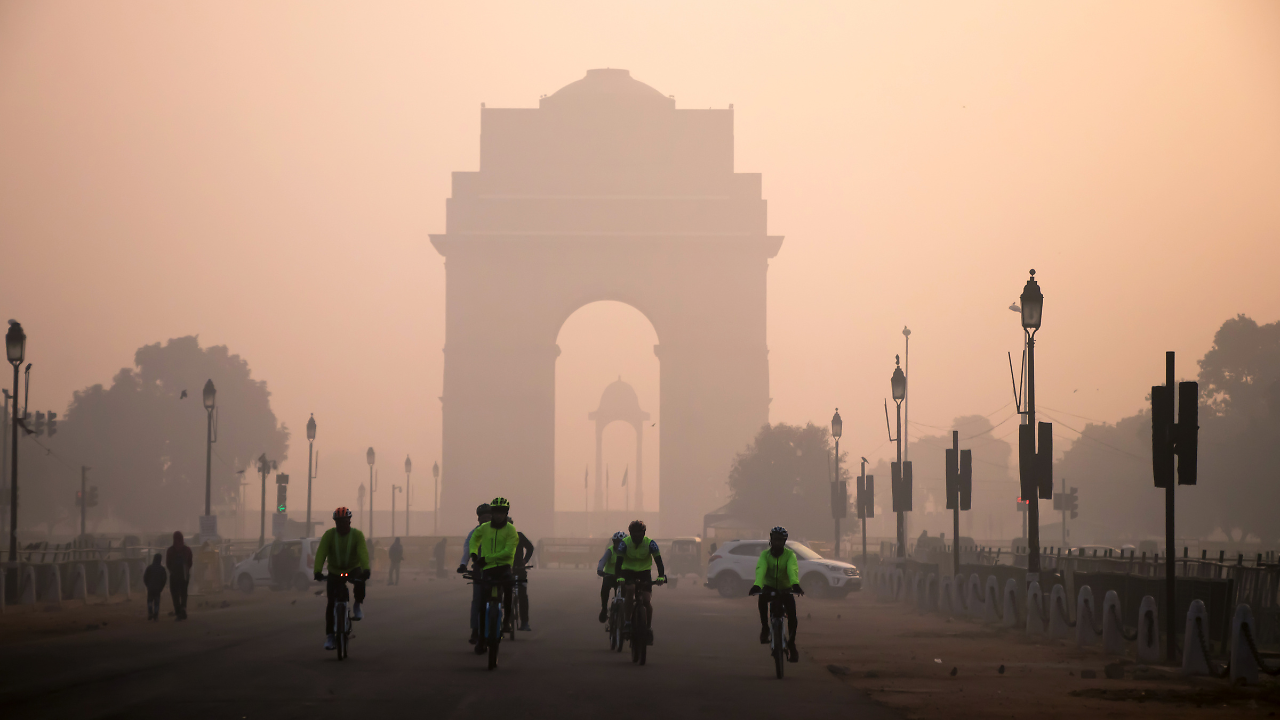
No PUC, No Fuel in Delhi From November 1; Non-BS6 Outstation Vehicles Banned Till January 31 (image for representation only)
The Delhi government has officially announced its comprehensive winter action plan to address the capital's recurring air pollution crisis. With the Air Quality Index (AQI) recently recorded at 179 and forecasts predicting a shift into the 'poor' category, authorities are implementing a series of time-bound restrictions targeting vehicular emissions, construction dust, and traffic congestion.
Chief Minister Rekha Gupta confirmed that the measures will be rolled out in phases, with the primary phase commencing on November 1, 2026. The strategy aims to mitigate the impact of seasonal pollution spikes, which are often exacerbated by stagnant weather conditions and agricultural residue burning in neighboring states.
New Vehicle Restrictions and Fuel Policies
Starting November 1, 2026, and continuing through January 31, 2027, the government will impose entry restrictions on vehicles registered outside of Delhi that do not comply withIn a move to enforce stricter compliance, the administration is implementing a 'No Pollution Under Control Certificate, No Fuel' policy. Petrol pumps across the capital will be prohibited from dispensing fuel to any vehicle lacking a valid Pollution Under Control Certificate (PUCC). To ensure adherence, authorities plan to install Automatic Number Plate Recognition (ANPR) cameras at fuel stations to monitor and verify compliance in real-time.
Construction Bans and Office Attendance Adjustments
Construction activity, a significant source of particulate matter, will face heightened scrutiny. From November 1 to January 31, the government will restrict dust-generating civil and demolition works. This will escalate into a complete ban on all construction and demolition activities from December 10, 2026, to January 20, 2027. The government intends to utilize AI-powered cameras to monitor construction sites and ensure that dust-mitigation protocols are strictly followed.To further reduce traffic-related emissions, the plan includes a directive for both government and private offices to reduce their in-person workforce by 50 percent. To manage peak-hour congestion, the government has also introduced staggered working hours. Municipal Corporation of Delhi offices will operate from 8:30 am to 5:00 pm, while Delhi government offices will function from 10:00 am to 6:30 pm. While the broader winter action plan is scheduled to remain in effect until February 28, 2027, these specific measures are designed to address the most critical periods of air quality deterioration.




Log in to post a comment.
End of Article
Trending

Next-Gen Toyota Fortuner Global Debut Set for December 1; India Launch Likely in 2027

Mahindra Bolero Bold Edition Launched in India: Check What's New

Yamaha XSR900 GP Gets New Legend Blue Colour Inspired by 1980s GP Racing

Honda CBR500R Four Unveiled: Gets New 502cc Inline Four Engine, E-Clutch

Bajaj Pulsar N250SS Launched at Rs 1.59 Lakh, Gets 6 Speed Gearbox, TFT Display and More

Hyundai Bayon Safety Features, Colours Revealed Ahead of Launch: 6 Airbags, Level 2 ADAS

Kawasaki KLE500 SE SmartRide Unveiled Globally: Gets Clutch-Free Gear Shifting
Popular





STAY UPDATED Get the latest news from Times Drive