New Delhi


Toyota Urban Cruiser Ebella vs Hyundai Creta Electric Spec Comparison: What’s Different?
Toyota has introduced the Urban Cruiser Ebella, marking its entry into the electric SUV market in India, with pricing to be revealed later. Positioned against the existing Hyundai Creta Electric, the Ebella features a design similar to the Maruti Suzuki e Vitara and includes modern interior technology, such as a dual-screen setup. Performance-wise, the Ebella offers higher power and range options compared to the Creta. Safety features in both vehicles include advanced driver assistance systems, enhancing their appeal in the growing electric vehicle segment.

Keshav Rajput
Updated Jan 21, 2026, 02:15 PM IST

Toyota Urban Cruiser Ebella vs Hyundai Creta Electric Spec Comparison: What’s Different?
Toyota has unveiled the Urban Cruiser Ebella as its first mass-market electric SUV in India. Prices will be announced later. The Ebella enters a segment where the Hyundai Creta Electric has already been present since January 2025. Below is a specification-based comparison of the two electric SUVs, using the details provided.

People Also Search
What are the key safety features included in the Toyota Urban Cruiser Ebella?
How does the battery technology of the Urban Cruiser Ebella compare to traditional battery technologies?
What ownership-related services does Toyota offer for the Urban Cruiser Ebella?
What are the expected dimensions of the Toyota Urban Cruiser Ebella, and how do they compare to competitors?
What charging infrastructure and options are available for the Urban Cruiser Ebella?
Design and Platform
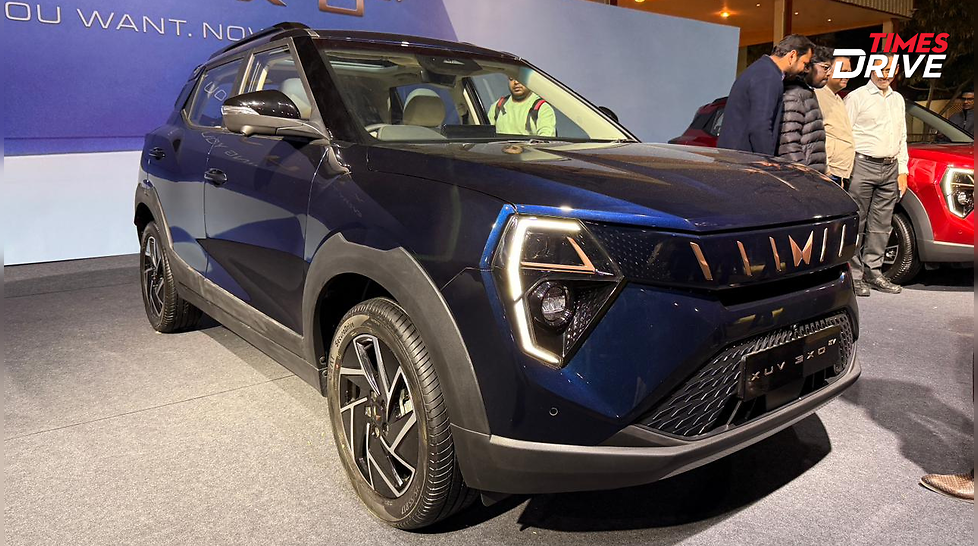
The Urban Cruiser Ebella shares its basic form and structure with the Maruti Suzuki e Vitara and is built on a dedicated electric platform. Design elements include segmented LED daytime running lamps, triangular headlamps linked by a black trim, vertical air vents in the front bumper, body cladding along the lower sections and rear door handles integrated into the C-pillar. At the rear, it features segmented taillamps rather than a full-width light bar.
The Creta Electric retains the familiar Creta profile with EV-specific changes. These include a closed-off grille housing the charging port, pixel-style design details on the bumpers, 17-inch aero alloy wheels and Active Air Flaps designed to improve efficiency.
Interior and Features
On the inside, the Ebella uses a dual-screen setup with a 10.25-inch digital instrument cluster and a 10.1-inch touchscreen. Other listed features include a panoramic roof, ventilated front seats, a powered driver’s seat and a floating centre console enabled by the flat-floor EV architecture.
The Creta Electric also features dual 10.25-inch displays and adds a redesigned steering wheel, wireless smartphone connectivity, Vehicle-to-Load (V2L) capability and i-Pedal one-pedal driving functionality.
Battery, Performance and Range
Toyota Urban Cruiser Ebella- Battery packs: 49 kWh, 61 kWh
- Power output: 142.1bhp (49 kWh), 171.6bhp (61 kWh)
- Torque: 189Nm of torque
- Claimed range: up to 543 km
Hyundai Creta Electric
- Battery packs: 42 kWh, 51.4 kWh
- Power output: 133.1bhp, 168.6bhp
- Torque: 255Nm of torque
- Claimed range: up to 473 km
Both SUVs support AC and DC fast charging. Toyota is offering an 8-year battery warranty, assured buyback options, and Battery-as-a-Service plans.
Safety and Driver Assistance
The Urban Cruiser Ebella is equipped with seven airbags, ABS with EBD, vehicle stability control, tyre pressure monitoring and a Level-2 ADAS package. The ADAS suite includes adaptive cruise control, lane keep assist, blind spot monitoring and a 360-degree camera.
The Creta Electric offers 6-airbags as standard, electronic stability control and advanced driver assistance systems in line with segment standards.
Log in to post a comment.
End of Article
Trending
Honda Diwali 2026 Discounts: Offers on City, Amaze, Elevate and City Hybrid
Hyundai Diwali 2026 Discounts: Offers on Creta, Venue, i20, Verna, Exter and More
Which Are the Most Affordable Touring Bikes in India

Car Insurance Explained: Third-Party vs Comprehensive, IDV, Zero Depreciation and NCB
Which Are the Most Affordable Scrambler Bikes in India?
Car Specifications List Explained: bhp, Torque, Displacement, Wheelbase and Ground Clearance
Which Are the Most Affordable Retro or Neo-Classic Bikes in India?
Popular
STAY UPDATED Get the latest news from Times Drive