New Delhi


Bajaj Signals Electric Motorcycle Roadmap With Active R&D, Says Market Demand Still Hard to Predict
Bajaj Auto says electric motorcycle development is underway even as demand remains uncertain, with the company continuing R&D and preparing for future market shifts.

Keshav Rajput
Updated Nov 20, 2025, 03:01 PM IST

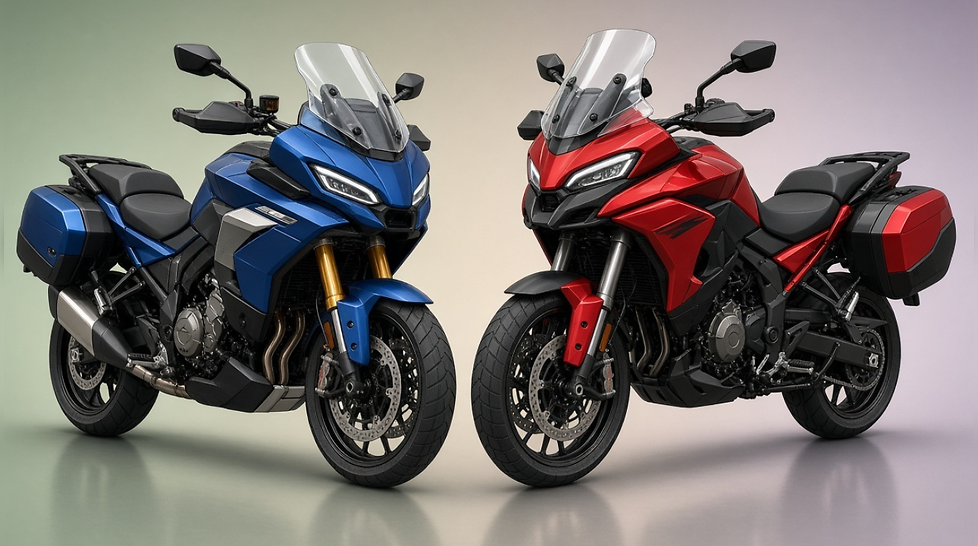
Bajaj Signals Electric Motorcycle Roadmap With Active R&D, Says Market Demand Still Hard to Predict (Representative Image)
Bajaj Auto reported that the electric two-wheeler industry continues to operate at close to one lakh units per month. The company said Chetak’s demand remained strong even after a temporary slowdown caused by shortages of rare-earth magnets. Bajaj has now shifted to alternative sources, restoring full production by late September.

People Also Search
What are the expected features of the 2025 Bajaj Chetak model?
How does the Bajaj Chetak compare to its competitors in terms of sales?
What technical specifications are notable in the current Bajaj Chetak models?
What new features were introduced with the Chetak 2901 variant?
What challenges did Bajaj face regarding the supply of the Chetak, and how were they resolved?
Bajaj Chetak regained the number-one position in Vahan registrations in October and now operates through 390 exclusive outlets and over 4,000 touchpoints across 800 cities.
Electric Motorcycle Development Underway
During the earnings call, Bajaj confirmed ongoing work on electric motorcycles. The company noted that certain use cases in India and global markets show potential for EV bikes. Although demand patterns are still uncertain, Bajaj stated that the larger risk would be “missing the opportunity,” and therefore R&D efforts on electric motorcycles are active. No launch timeline was provided, but the company indicated it aims to have options ready as the segment evolves.
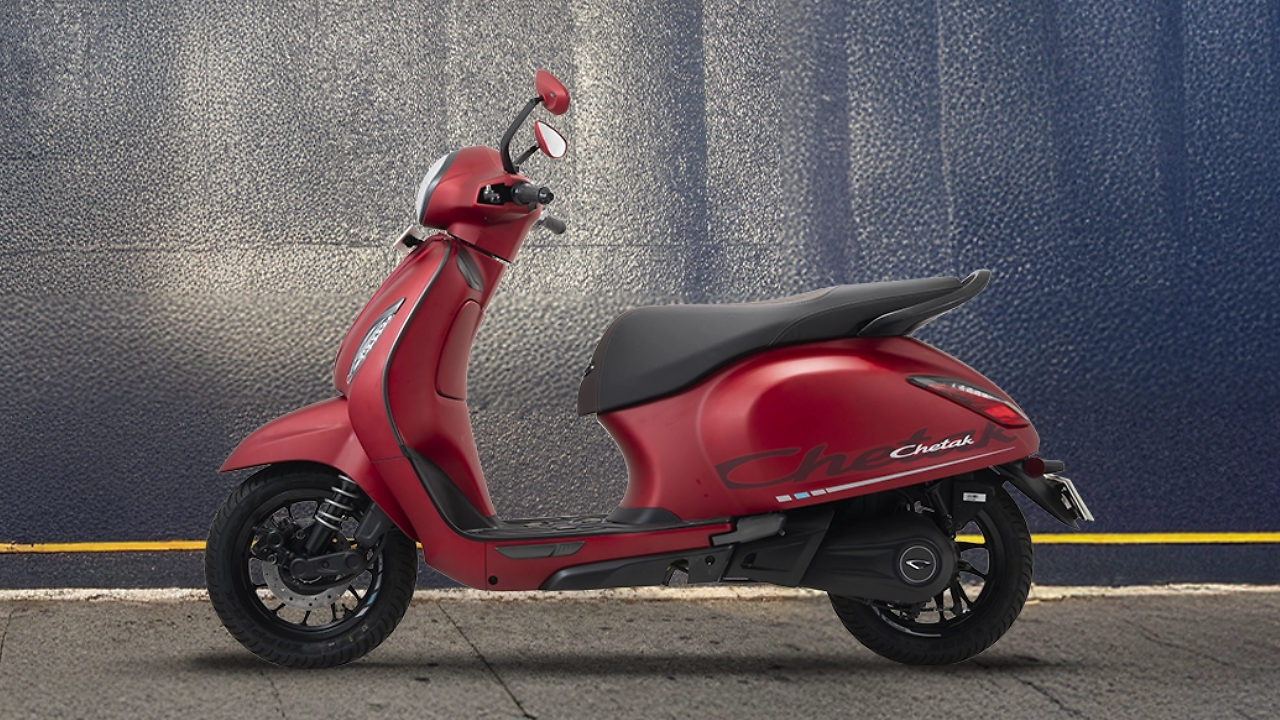
Bajaj Chetak EV
EV Share in Revenue Rises
Electric products - including Chetak, electric three-wheelers and Yulu - contributed about 20% of domestic revenue in Q2. The company also reported that the EV portfolio delivered double-digit EBITDA, helped by improving unit economics.
Market Factors That Could Shape EV Motorcycles
Bajaj noted that while the GST reduction boosted conventional motorcycle demand during the festive period, EV interest slowed temporarily. However, the company expects EV demand to stabilise because users continue to shift to electric models to manage daily running costs.
According to Bajaj, typical operating costs remain a key driver: about 30 paise per km for EVs compared to Rs 3 per km for ICE scooters, making the long-term economics favourable for electric formats.
What Comes Next
Bajaj plans to launch a new Chetak model early next year, expanding its EV portfolio further. Combined with active electric motorcycle development, the company’s roadmap indicates a broader move from electric scooters to electric bikes over the next phase of growth.


Log in to post a comment.
End of Article
Trending
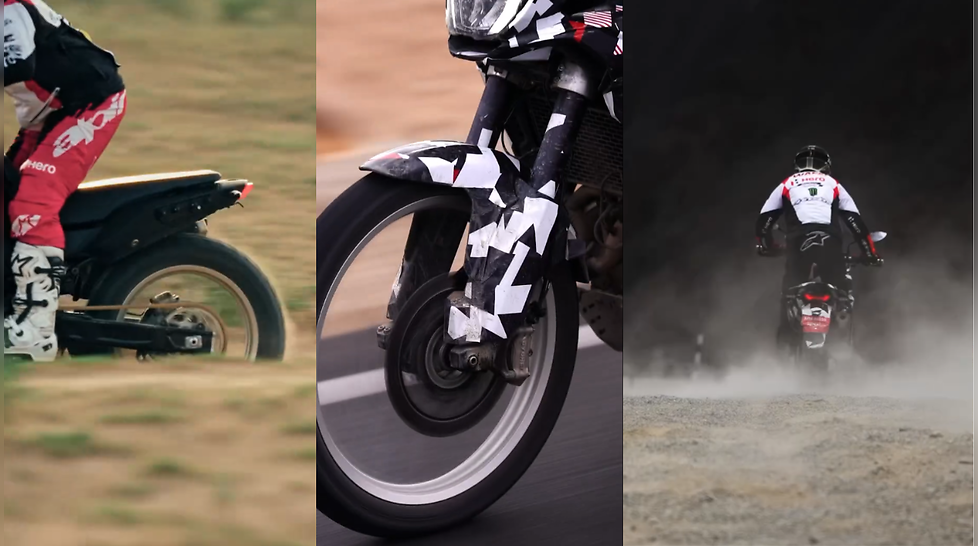
Hero Xpulse 421 Teased Ahead of EICMA 2026 Debut; India Launch Expected in 2027
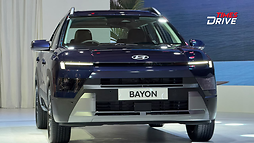
Hyundai Registers Over 16 Percent Growth in Car Sales for October 2026
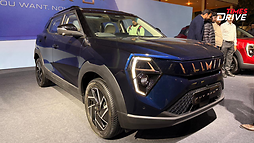
Mahindra Posts Over 2 Percent Growth in Monthly Car Sales for October 2026
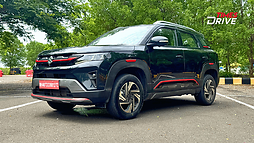
Maruti Suzuki Records Over 20 Percent Growth in Car Sales for October 2026
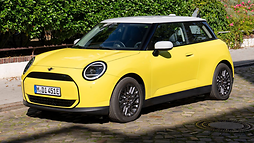
New Mini Cooper SE India Launch on November 27: Expected Price, Range, Battery, Features and More

Toyota Innova Hycross Facelift Launched in Indonesia, India Debut Expected Soon

Range Rover SV Sawai Collection Unveiled in India at Rs 4.90 Crore
Popular

STAY UPDATED Get the latest news from Times Drive