New Delhi


Brake The Habit: Don’t Drive With Kids on Laps, Child Safety Begins With Restraints
Indian roads highlight serious child safety issues during vehicle travel, where improper seating and restraints lead to dangerous outcomes in crashes. Children under 13 should always sit in the rear seat with appropriate restraints, as guidelines suggest. For infants, rear-facing seats are crucial, while forward-facing seats help for toddlers, and booster seats ensure proper seat belt fit for older kids. Safety measures are vital even for short trips, as many accidents occur close to home. Prioritizing child safety is essential for their protection.

Times Drive Desk
Updated Nov 20, 2025, 03:30 PM IST
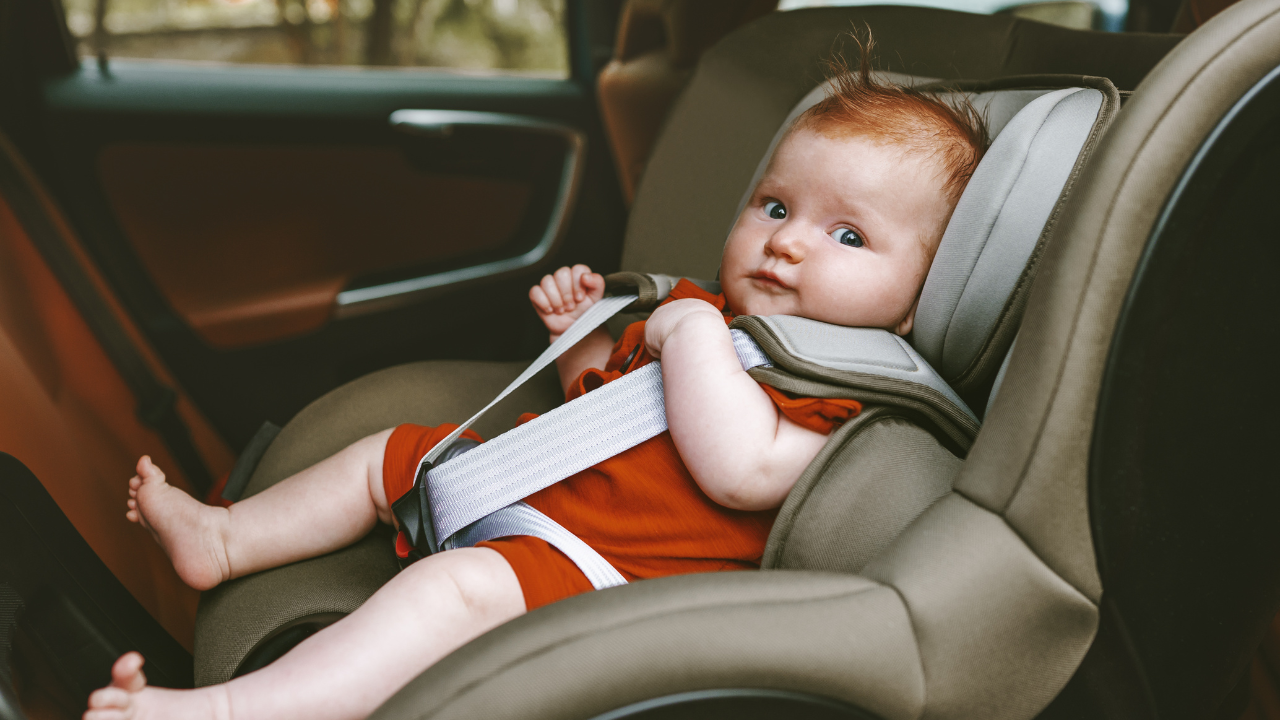
Brake The Habit: Don’t Drive With Kids on Laps, Child Safety Begins With Restraints
Photo : TIMES DRIVE
Indian roads tell a familiar story. A toddler on a parent’s lap in the front seat. A child standing between riders on a scooter. An infant being carried in the back seat without a belt. The intention is care, but in the moment of a crash, intention has no role, however physics does.

People Also Search
What are the specific dangers of unbelted back-seat passengers in a vehicle during a crash?
How does wrong-side driving contribute to road accidents, and what can be done to prevent it?
What are the risks associated with tripling on two-wheelers, especially among teens?
What is the impact of using a seatbelt in the back seat, and why is it often overlooked?
How can wearing a helmet properly reduce the risk of severe injuries while riding a two-wheeler?
In a frontal impact at around 50 kmph, a child’s body is propelled forward with forces no adult can counter with bare arms. Even a fully braced adult cannot hold on when the effective weight becomes several hundred kilograms. Add to that the danger from airbags, which deploy with explosive force calibrated for adults. An unrestrained child in the front seat is directly in harm’s way.
International guidelines and real-world crash data point to a clear solution: seating position and proper restraints.
For children under 13, the rear seat is the safest place. Within that space, age-appropriate restraints are non-negotiable.
For children in the age group of 0 to 2 years, rear-facing infant seats help protect the neck and spine during sudden deceleration.
For children in the age group of 2 to 5 years, forward-facing seats distribute crash forces across stronger skeletal areas.
For children in the age group of 5 to 12 years, booster seats ensure the seat belt fits correctly on the shoulder and hips.
Seat belts are appropriate only when a child is tall enough for the belt to sit correctly without riding up on the neck or abdomen.
The risks aren’t limited to cars. Two-wheelers present their own set of concerns. Children standing in front of the rider or sitting sideways remain completely exposed. A secure seating position with both feet on the footrests and a proper child helmet is essential. Oversized adult helmets or padded caps do not offer real protection.
A common assumption is that safety seats are only for long trips. Data shows otherwise, many severe and fatal crashes happen within a five-kilometre radius of home. Short distances don’t reduce risk; they only reduce vigilance.
Child safety is not an accessory. It’s a responsibility that cannot be delayed or adjusted for convenience. Restraints don’t limit a child, they safeguard their future.
Log in to post a comment.
End of Article
Trending
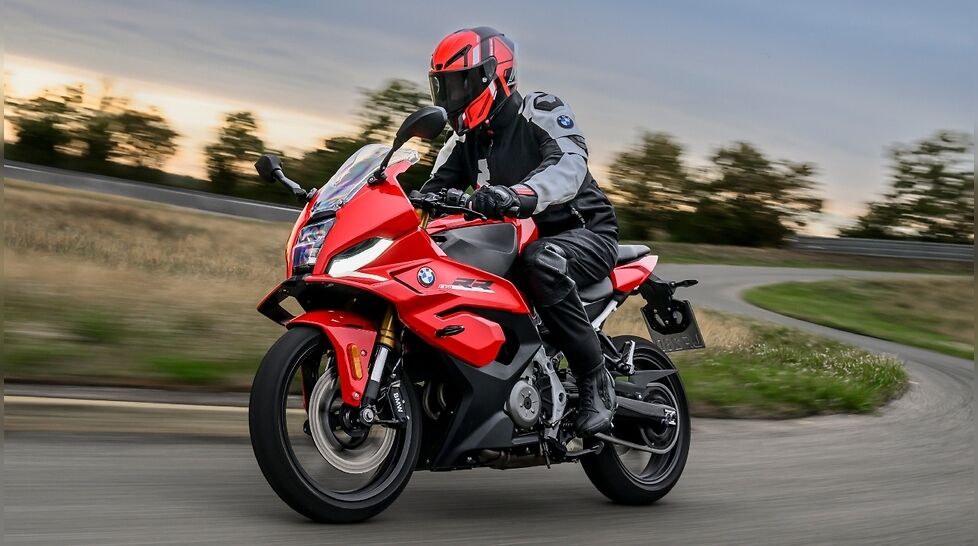
BMW F 450 RR Revealed: Gets 48hp Engine, Sporty Design and Advanced Safety Features

Maruti Suzuki Brezza Facelift Crosses 1 Lakh Bookings in India

BS7 Emission Norms Proposed for April 2029: What Can Change for Cars in India?

Maruti Suzuki Brezza Crosses 15 Lakh Sales Milestone in India
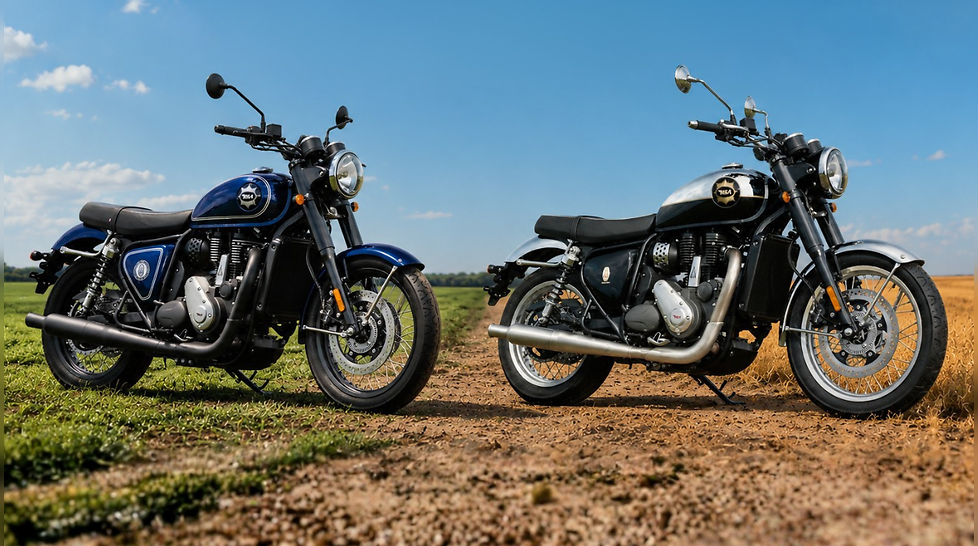
BSA Gold Star 650 Gets Two New British Heritage-Inspired Colour Options in India
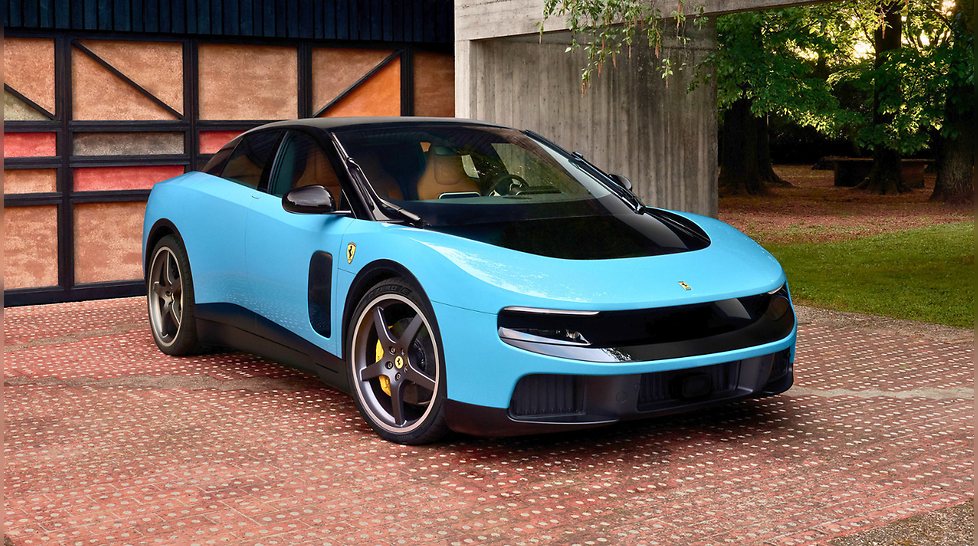
Ferrari Luce EV to Debut in India on October 17 with 1,050PS Power and 530 km Range
Mahindra XUV 3XO CNG Launched in India: Top 5 Highlights
Popular





STAY UPDATED Get the latest news from Times Drive