New Delhi


Brake the Habit: Use Indicators, Not Guesswork
In today's traffic, using indicators is crucial for safety, yet many drivers neglect this simple practice. Indicators serve as essential communication tools, informing others of intended maneuvers and reducing the risk of accidents. Their absence forces nearby drivers to make risky guesses, often leading to collisions. By consistently signaling while turning, overtaking, or changing lanes, drivers can significantly enhance road safety. Promoting this habit can transform driving culture, ensuring safer journeys for everyone. Commit to using indicators and save lives.

Times Drive Desk
Updated Sep 12, 2025, 03:19 PM IST
Brake the Habit: Use Indicators, Not Guesswork
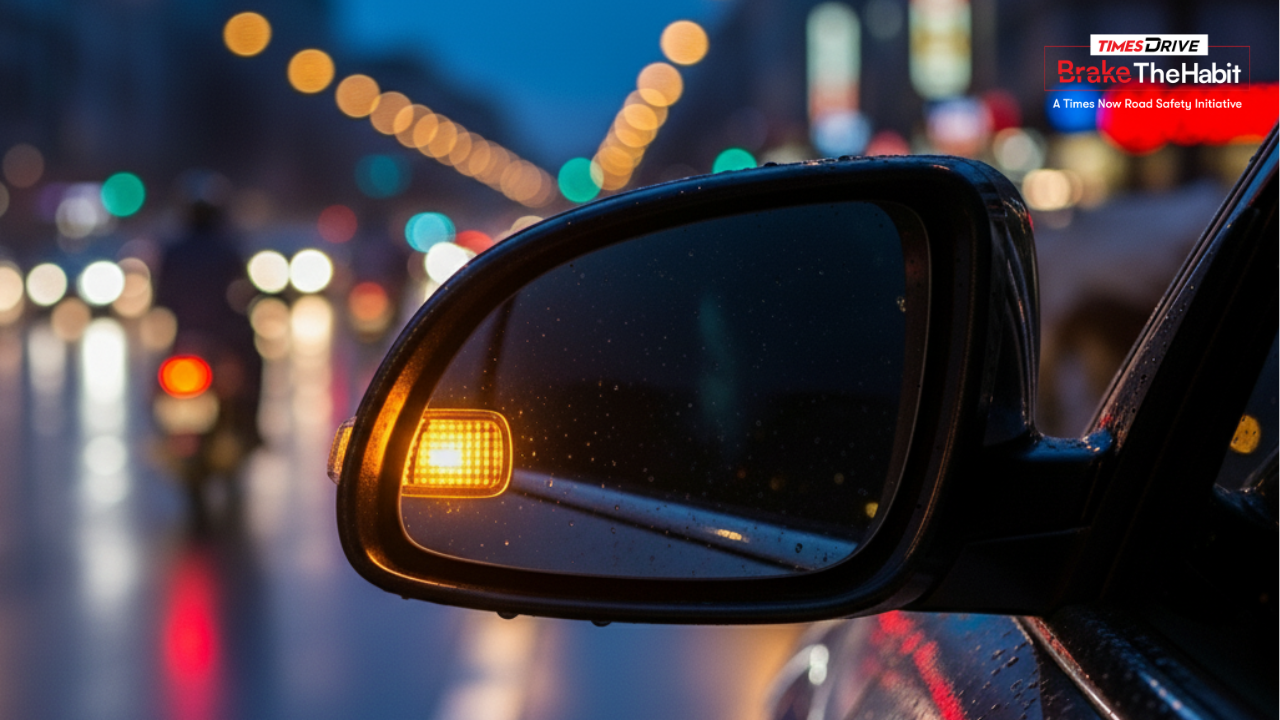
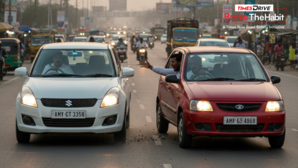
On today’s busy roads, every second matters. A small signal can make a big difference between safety and disaster. Yet, many drivers and riders often skip using indicators while turning, overtaking, or changing lanes. Some do it out of carelessness, while others feel it makes them look overcautious. In reality, not using indicators is one of the most dangerous habits on the road.

People Also Search
What are some common distractions that can lead to dangerous lane changes?
How does the misuse of hazard lights during heavy rain create dangerous situations?
What impact does wrong-side driving have on traffic safety?
Why is wearing a helmet crucial for two-wheeler riders in India?
What are the financial consequences of jumping a red light?
Indicators are not just blinking lights; they are a language of communication. They tell the driver behind you about your next move. Without them, others are left to guess, and guesswork on the road is risky. Imagine suddenly changing lanes without a signal, vehicles around you get no warning. In such moments, accidents happen in the blink of an eye.
Using indicators is one of the simplest safety practices. It requires no extra effort, just a flick of a switch. Yet the impact is huge, it gives everyone around you time to react, slow down, or adjust. Whether you are on a bike, a car, or even a heavy vehicle, indicators protect not just you but also your loved ones traveling with you.
Statistics often show that vehicles using proper signals are less likely to be involved in collisions. It’s proof that this small habit can save lives. On the other hand, those who do not use indicators put themselves and others at unnecessary risk. Road safety is not about showing off, it’s about being responsible.
Breaking the habit of neglecting indicators requires mindful effort, but the rewards are immense. Start small: before every turn, overtake, or merge, pause and signal. Teach it to new drivers in your circle, and lead by example. It's free, effortless and empowers you to navigate with confidence. Over time, this shift builds a culture of responsibility, where roads become havens rather than hazards. Join "Brake the Habit" and commit to using indicators every time, ditch the guesswork, embrace clarity and help make journeys safer for generations to come.
So, the next time you are behind the wheel or on a bike, ask yourself: Do you want others to guess your move, or do you want them to know it? The answer could save a life.


Log in to post a comment.
End of Article
Trending

Renault Duster Hybrid India Launch Tomorrow: Here's What to Expect

New Tesla Roadster Hits 0–60 Mph in 0.8 Seconds, Becomes the Quickest Accelerating Car in the World

Flying Car: Tesla Reveals New Roadster with Mind-Bending SpaceX Technology

BMW F 450 RR Revealed: Gets 48hp Engine, Sporty Design and Advanced Safety Features

Maruti Suzuki Brezza Facelift Crosses 1 Lakh Bookings in India

BS7 Emission Norms Proposed for April 2029: What Can Change for Cars in India?

Maruti Suzuki Brezza Crosses 15 Lakh Sales Milestone in India
Popular





STAY UPDATED Get the latest news from Times Drive