New Delhi


CAFE 3 Norms Draft Released: Check What Can Change for Carmakers, EVs, Hybrids, Flex-Fuel Vehicles and Car Buyers
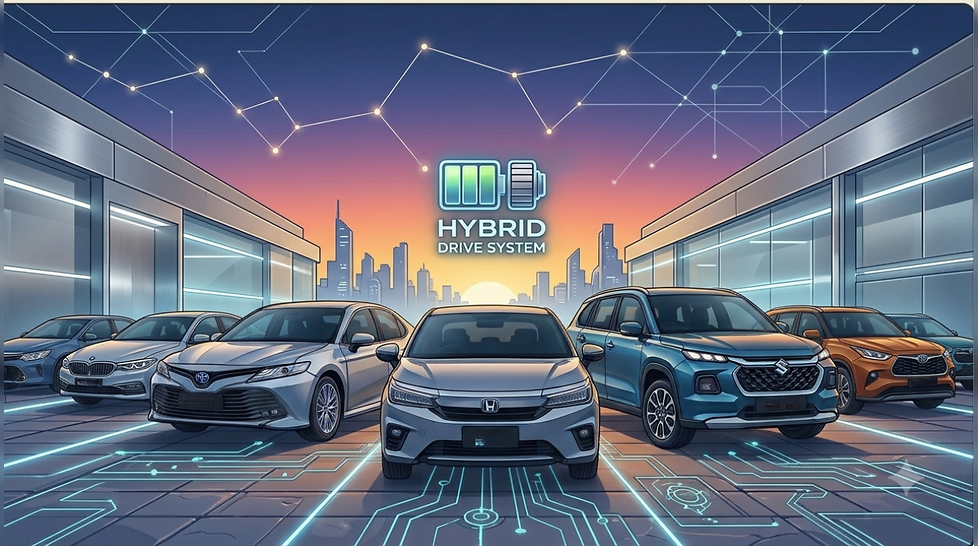
The Ministry of Power in India has unveiled a revised draft of the CAFE 3 regulations. The draft encourages the use of electric, hybrid, and flex-fuel vehicles and introduces a compliance credit trading system.

Atul Bandhu
Updated Jul 17, 2026, 01:48 PM IST

CAFE 3 Norms Draft Released: Check What Can Change for Carmakers, EVs, Hybrids, Flex-Fuel Vehicles and Car Buyers
The Ministry of Power has released a revised draft of the Corporate Average Fuel Economy (CAFE 3) norms for passenger vehicles in India. Proposed to come into effect from April 1st 2027, the new regulations will introduce progressively stricter fleet-level fuel efficiency and CO2 emission targets for car manufacturers. The draft also outlines incentives for electric, hybrid and flex-fuel vehicles, while introducing benefits for the use of energy-saving technologies.
The revised framework is currently open for public feedback, with comments invited for a period of 21 days before the regulations are finalised. CAFE 3 will apply to passenger vehicles weighing up to 3,500 kg and will succeed the existing fuel efficiency regulations.
CAFE 3: New Fuel Efficiency Targets
Unlike regulations that set fuel efficiency requirements for individual models, CAFE norms measure the average fuel consumption and CO2 emissions of a manufacturer's passenger vehicle fleet.
Under the revised draft, the fleet-average fuel consumption target is proposed at 3.996 litres per 100 km, corresponding to 94.76 gCO2/km, for FY2028. The limit will progressively tighten over the following years, reaching 3.327 litres per 100 km, or 78.90 gCO2/km, by FY2032.
Manufacturers will also be required to submit fuel efficiency data under both the Modified Indian Driving Cycle (MIDC) and Worldwide Harmonised Light Vehicles Test Procedure (WLTP). A conversion factor between the two testing procedures is expected to be notified separately.
Compliance Credit Trading Mechanism
The revised CAFE 3 draft retains a credit-based compliance mechanism for car manufacturers. Companies performing better than their prescribed fleet efficiency targets will be able to generate compliance credits, while manufacturers failing to meet their targets will accumulate debits.
These credits can be traded between manufacturers, providing companies with an alternative route to meet regulatory requirements. Automakers falling short of their targets will also have the option of purchasing credits through the Bureau of Energy Efficiency (BEE).
The proposed buyout price has been set at Rs 2,500 per gCO2/km for FY2028. This will progressively increase over the CAFE 3 period, reaching Rs 4,500 per gCO2/km by FY2032.
Fuel-Saving Technologies Get Compliance Benefits
CAFE 3 also proposes regulatory benefits for manufacturers incorporating certified energy-saving technologies in their vehicles. Carmakers will be able to claim an emissions reduction benefit of up to 9 gCO2/km across their fleet through eligible technologies.
The framework provides a benefit of 1 gCO2/km for individual technologies including automatic start-stop systems, regenerative braking, tyre pressure monitoring systems (TPMS), six-speed or higher transmissions, high-efficiency alternators and motor generators, LED exterior lighting, electric water pumps, advanced glazing and solar-reflective paint, and high-efficiency air-conditioning systems.
However, the cumulative benefit available to a manufacturer from these technologies will be capped at a fleet-average concession of 9 gCO2/km.
EVs, Hybrids and Flex-Fuel Vehicles Incentivised
The revised framework continues to provide incentives for cleaner powertrain technologies, including battery electric vehicles, plug-in hybrids, strong hybrids and flex-fuel vehicles. These vehicles can contribute towards manufacturers meeting their overall fleet-level targets through mechanisms such as super credits and Carbon Neutrality Factors (CNFs).
One of the notable proposals under the revised framework is the regulatory recognition given to ethanol and other biofuels. The draft proposes accounting for the lower lifecycle emissions associated with alternative fuels while determining compliance.
Under the proposed Carbon Neutrality Factors, petrol vehicles compatible with E20 fuel are eligible for an 8 per cent reduction in their declared emission values. Dedicated ethanol flex-fuel vehicles and strong-hybrid flex-fuel vehicles receive a proposed 22.3 per cent reduction.
CNG and Compressed Bio-Gas (CBG) vehicles are proposed to receive a baseline reduction of at least 5 per cent, with the benefit potentially increasing depending on verified fuel blending levels.
What CAFE 3 Could Mean For Car Buyers
While CAFE 3 regulates manufacturers rather than individual vehicle buyers, the stricter fleet-level targets are expected to influence the type of vehicles and powertrains introduced in India over the coming years.
Manufacturers could increase their focus on more fuel-efficient internal combustion engines while expanding their electric, strong-hybrid, plug-in hybrid and flex-fuel portfolios to meet fleet-average targets. Technologies such as start-stop systems, regenerative braking, TPMS and higher-efficiency electrical components could also become more widely adopted across mass-market vehicles.
The proposed recognition of ethanol and biofuels could further encourage manufacturers to introduce flex-fuel-compatible models alongside electric and hybrid vehicles. With CAFE 3 proposed to take effect from April 1st 2027, the final regulations will determine the compliance roadmap for passenger vehicle manufacturers through FY2032.
Log in to post a comment.
End of Article
Trending

Youdha ePod G Electric Three Wheeler Launched for Cargo Operations

Ultraviolette X-47 Venom Launched in India at Rs 2.65 Lakh: Range, Features and More
Kawasaki Z300 Launched in India: Price, Engine, Power, Features and More

Navratri 2026: Auto Sales Drop by 6.5 Percent, EVs Register 27 Percent Growth

Ducati Hypermotard V2, V2 SP Launched in India: Prices, Engine, Features Explained

Next-Gen Toyota Fortuner Global Debut Set for December 1; India Launch Likely in 2027
No PUC, No Fuel in Delhi From November 1; Non-BS6 Outstation Vehicles Banned Till January 31
Popular



STAY UPDATED Get the latest news from Times Drive