New Delhi


GRAP-1 Returns in Delhi NCR, Checking for Valid PUC Intensifies; Check Your Vehicle Status to Avoid Rs 10,000 Fine
Delhi NCR's air quality has worsened, leading authorities to reintroduce GRAP-1 restrictions aimed at controlling dust and managing traffic. Enforcement agencies are intensifying checks on vehicles lacking a valid Pollution Under Control (PUC) certificate.

Atul Bandhu
Updated May 20, 2026, 03:58 PM IST
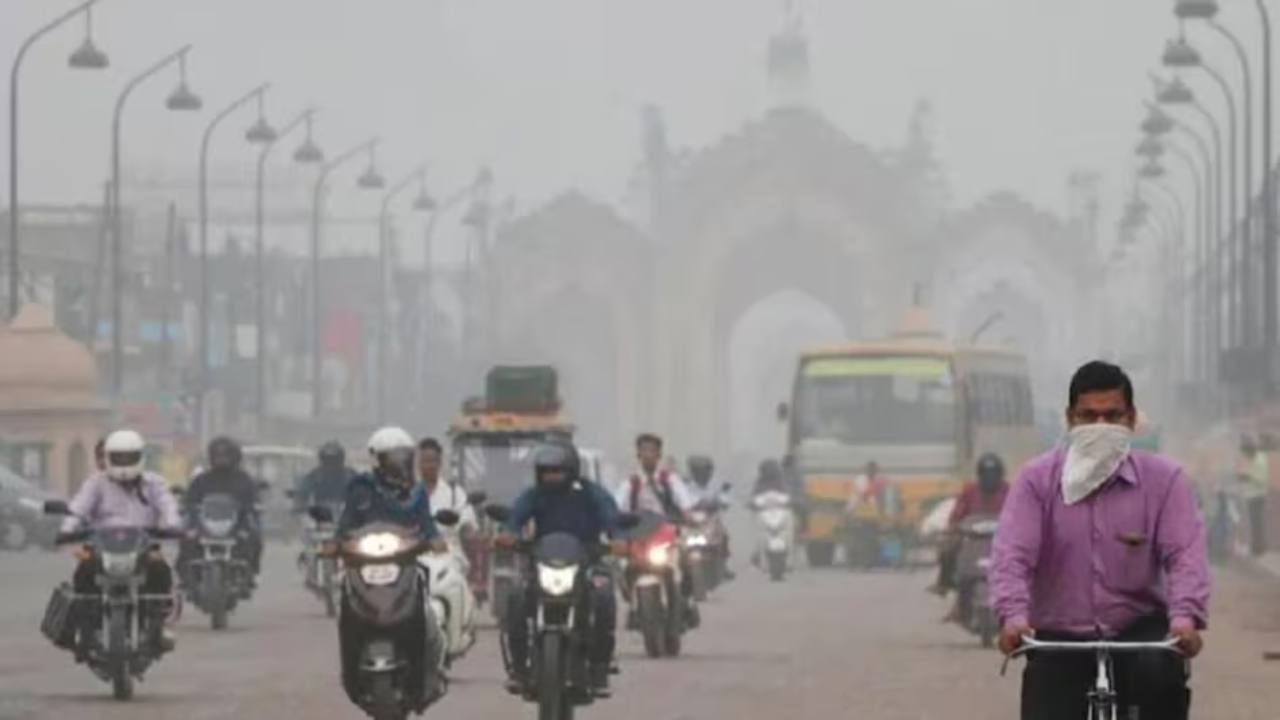
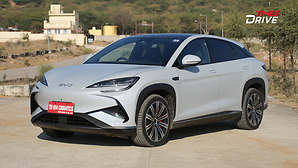
GRAP-1 Returns in Delhi NCR, Checking for valid PUC Intensifies; Check Your Vehicle Status to Avoid Rs 10,000 Fine (image for representation)
The air quality of Delhi NCR has been under global spotlight for many years. With air quality levels deteriorating once again this summer across Delhi-NCR, authorities have reimposed GRAP-1 restrictions in the region. GRAP-1 aims to tackle dust-control and traffic management measures. Under these restrictions enforcement agencies have stepped up checks on vehicles running without a valid Pollution Under Control (PUC) certificate.

People Also Search
What fines are imposed under GRAP for vehicle violations?
How are vehicle emissions monitored under GRAP?
What vehicles are banned under GRAP 3 restrictions?
How does the 'No PUCC, No Fuel' campaign work?
What are the stages of the Graded Response Action Plan (GRAP)?
Motorists found driving without a valid PUC certificate can face a penalty of Rs 10,000 or six-months of imprisonment or both. The renewed enforcement drive is being carried out across Delhi and adjoining NCR regions as authorities attempt to curb vehicular emissions during worsening AQI conditions.
GRAP-1 Restrictions Return in Delhi NCR
The Commission for Air Quality Management (CAQM) has activated GRAP Stage-I after the Air Quality Index (AQI) entered the “Poor” category in parts of Delhi-NCR. Under the first stage of GRAP, civic bodies and enforcement agencies are directed to intensify anti-pollution measures including water sprinkling, mechanised road sweeping, congestion management, and stricter monitoring of vehicular emissions. Authorities are also increasing surveillance on older vehicles and visibly polluting vehicles operating on public roads.
PUC Verification Drive Gains Momentum
Under GRAP-1 transport department officials and Delhi Traffic Police teams have intensified roadside verification drives at key junctions, border points, and fuel stations. Vehicles without a valid PUC certificate are being issued challans on the spot.
The crackdown is also being supported through digital verification systems linked to vehicle registration databases. Officials say the objective is to improve compliance and reduce pollution caused by poorly maintained vehicles.
In several earlier GRAP enforcement phases, many challans were issued for PUC-related violations across Delhi-NCR.
How to Check Your Vehicle’s PUC Status
Vehicle owners can check the validity of their PUC certificate through the official VAHAN portal or by referring to the expiry date printed on the certificate.
A PUC certificate is mandatory for all petrol, diesel and CNG vehicles operating on Indian roads. While new vehicles receive an initial validity period from the manufacturer, periodic emission testing becomes compulsory thereafter.
What should vehicle owners take care of under GRAP-1:
- Check if their PUC certificate is valid
- Make sure that the vehicle is serviced regularly to maintain emission levels
- Must carry valid RC, insurance and PUC documents are carried while driving (digital/physical)
If the AQI situation doesn’t improve in the region, then stricter GRAP-2, GRAP-3 and GRAP-4 restrictions will be implemented to improve the air quality.
Also Read



Log in to post a comment.
End of Article
Trending
TVS Unveils Four New Models at EICMA 2026, Including Three Electric Scooters

Mercedes-Benz GLC EV Launched in India at Rs 78.50 Lakh: Gets 94kWh Battery, 490bhp Power

Honda Alpha EV Set to Launch in India on December 2: Expected Design, Features and Range
Hero Vida UBX 06 Electric Motorcycle Debuts at EICMA 2026: Features, Range and More

Royal Enfield Shotgun 650 ‘Son of a Gun’ Unveiled at EICMA 2026, Only 100 Units to Be Made

BMW M 1000 RS Unveiled at EICMA 2026, Limited to 1,000 Units Worldwide

Harley-Davidson X350T Unveiled at EICMA 2026: Gets Smaller 350cc Engine
Popular



STAY UPDATED Get the latest news from Times Drive