New Delhi


No Immediate Plan to Increase Ethanol Blending Beyond 20%, Says Hardeep Singh Puri
The discussion regarding E20 petrol in India remains active, focusing on its effects on vehicle engines and efficiency. Union Minister Hardeep Singh Puri clarified that there are no plans to raise the ethanol blending level beyond 20%.

Updated Oct 27, 2026, 04:35 PM IST
No Immediate Plan to Increase Ethanol Blending Beyond 20, Says Hardeep Singh Puri
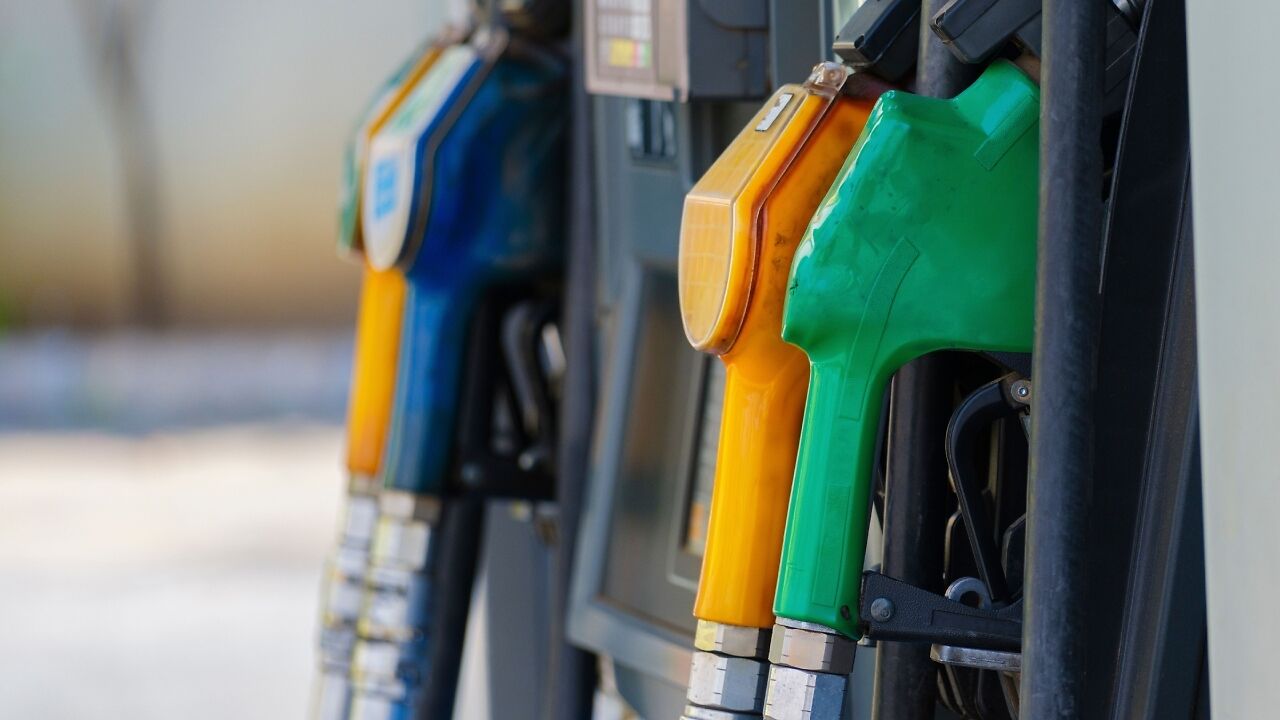
The debate around E20 petrol continues in India, with questions being raised about its impact on vehicle engines and fuel efficiency. Union Minister of Petroleum and Natural Gas Hardeep Singh Puri has now clarified that the Centre has no immediate plans to increase the ethanol blending level beyond the current 20%. He also dismissed claims about widespread vehicle breakdowns linked to E20 fuel, describing them as misinformation.
Key Highlights:
- The Centre has no immediate plan to increase
ethanol blending inpetrol beyond the current 20%, Union Minister Hardeep Singh Puri said. - Puri described claims about E20 petrol causing widespread engine damage as misinformation.
- The minister said ethanol blending helped the government save Rs 1.6 lakh crore, with Rs 1.4 lakh crore going to farmers.
- The government has amended motor vehicle rules to allow flex-fuel vehicles capable of running on blends of up to E100.
Speaking at the inauguration of the 29th Energy Technology and Innovation Meet in South Goa on Tuesday, Puri said the government had achieved its target of blending 20% ethanol with petrol and did not currently intend to raise the limit further.
E20 petrol contains 20% ethanol and 80% petrol. The government has promoted its use as part of its efforts to reduce dependence on imported crude oil and lower the country's fuel import bill. Puri also said that misleading information was being circulated about the fuel and its impact on vehicles.
What Did Puri Say About E20 Engine Damage Claims?
Responding to reports and social media posts about vehicles allegedly breaking down after using E20 petrol, the minister said such claims did not reflect the overall situation.
He referred to a social media post suggesting that vehicles had stopped running because of the blended fuel. Puri said vehicles designed to comply with E20 fuel requirements were meant to use the blend, while some older vehicles manufactured before 2003 had faced problems.
He also referred to a reported engine damage claim involving an automobile manufacturer, saying the company had filed a case against the person who made the allegation.
However, the minister's remarks do not establish that every older vehicle is affected in the same way. Compatibility can depend on the vehicle's engine design and manufacturer specifications, so owners should check their vehicle's official guidance before using higher ethanol blends.
Government Says E20 Helped Save Rs 1.6 Lakh Crore
Puri said the introduction of E20 petrol had helped the Union government save around Rs 1.6 lakh crore. According to the minister, approximately Rs 1.4 lakh crore of this amount went to farmers.
He highlighted the role of ethanol production in creating an additional market for agricultural produce, describing farmers as Urjadatas (providers of energy) alongside their traditional role as Annadatas (providers of food).
Ethanol blending is part of India's broader strategy to reduce its reliance on imported crude oil. The policy also aims to support domestic ethanol production and provide additional opportunities for the agricultural sector.
New Motor Vehicle Rules Allow Flex-Fuel Vehicles Up to E100
Separately, the Ministry of Road Transport and Highways notified changes to the Central Motor Vehicles Rules, 1989, on Monday, allowing flex-fuel vehicles capable of running on ethanol blends of up to E100.
Unlike conventional petrol vehicles, flex-fuel vehicles are designed to operate on higher ethanol concentrations. These include E85, which contains 85% ethanol and 15% petrol, and E100, which is nearly pure ethanol.
The rule change could support the development and introduction of vehicles designed for higher ethanol blends in India. Automakers, including Toyota Motor Corporation, Tata Motors and Hyundai Motor Company, are also working on flex-fuel vehicle technology for the Indian market.
The development comes as policymakers look for ways to reduce India's dependence on fossil fuel imports and expand the use of alternative fuels.
For now, the government's immediate ethanol blending target remains at E20, with no announced plan to raise the level beyond 20%.
Log in to post a comment.
End of Article
Trending

Defender 110 Local Production Begins in India, Prices Start at Rs 99 Lakh

Royal Enfield Himalayan 750 Teased Ahead of Debut
Honda's New Pickup Truck Coming in 2028, will Use Mitsubishi Triton Platform

Hatchback vs Compact SUV vs Sedan: Which Body Type Should You Buy in India?

Hyundai Bayon Variant-Wise Price List: Which One Costs How Much?

Audi Q9 Debuts World's First Curved Digital OLED Rear Lights: All You Need to Know

Audi Q9 Debuts World's First Curved Digital OLED Tail Lights with 512 Digital Segments
Popular


STAY UPDATED Get the latest news from Times Drive