New Delhi


PM E-DRIVE Records 1.13 Million EV Sales With Lower Per-Vehicle Subsidy Than FAME II: CEEW
India's electric vehicle (EV) policy has shifted towards scaling up, as highlighted in a new study by the Council on Energy, Environment and Water (CEEW). The PM E-DRIVE scheme facilitated the sale of 1.13 million EVs in its inaugural year, despite lower subsidies than the previous FAME II program. While overall EV sales surged from 2,000 units in FY15 to nearly 1.96 million by FY25, adoption rates vary significantly across states, with wealthier areas experiencing higher penetration than lower-income regions.

Keshav Rajput
Updated Dec 17, 2025, 01:11 PM IST
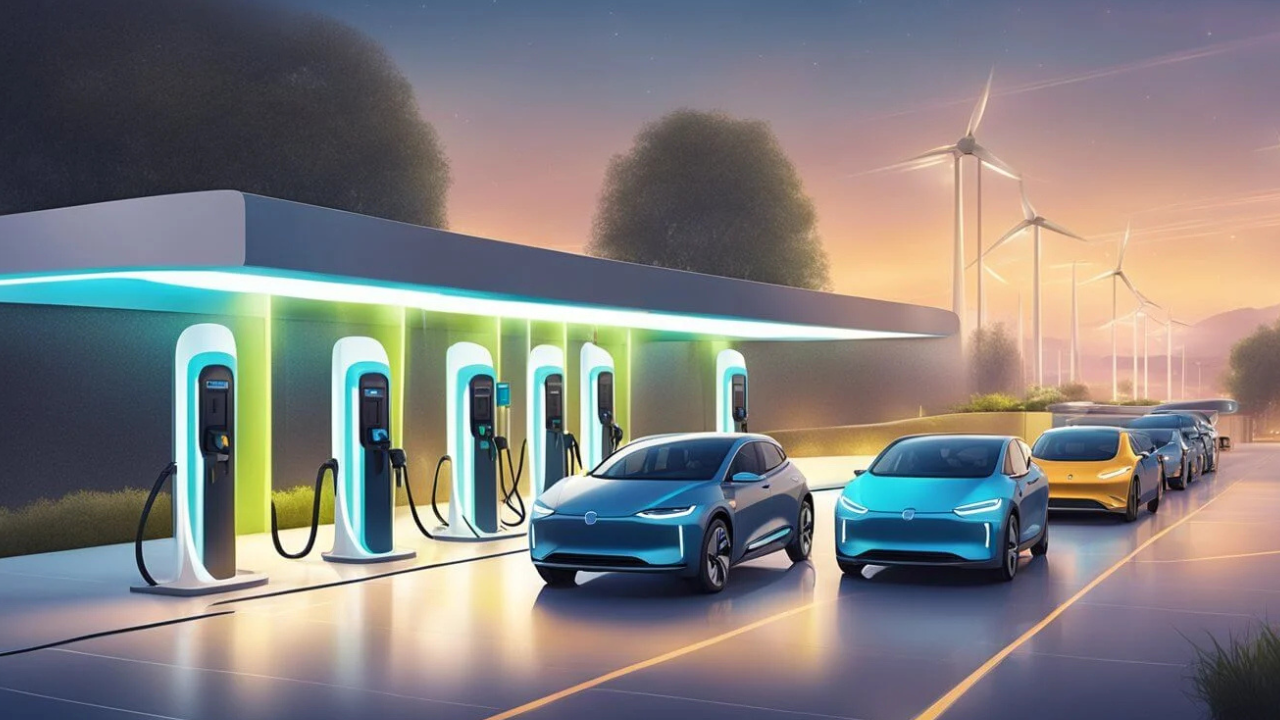
PM E-DRIVE Records 1.13 Million EV Sales With Lower Per-Vehicle Subsidy Than FAME II: CEEW
India’s electric vehicle policy has moved into a phase focused on scale, according to a new study released by the Council on Energy, Environment and Water (CEEW) through its Green Finance Centre. The study states that the PM E-DRIVE scheme enabled the sale of 1.13 million electric vehicles in its first year, despite offering a lower per-vehicle subsidy compared to the FAME II scheme.

People Also Search
What are the specific allocations under the PM E-DRIVE scheme for electric ambulances and public charging infrastructure?
How does the PM E-DRIVE scheme compare with the FAME II scheme in terms of EV sales incentives?
What are the expected outcomes of the PM E-DRIVE scheme for the electric bus segment?
What role does charging infrastructure play in the success of the PM E-DRIVE scheme?
How has the PM E-DRIVE scheme impacted the growth of electric two-wheelers in India?
Under PM E-DRIVE, the per-unit demand incentive was reduced to Rs 5,000 per kWh, roughly half of what was offered under FAME II. Even with this reduction, annual EV volumes under PM E-DRIVE were 3.4 times higher than those recorded during FAME II’s peak years.
Growth of India’s EV Market
The study notes that India’s automotive sector contributes 7.1 percent to GDP and supports more than 30 million jobs. EV sales have increased significantly from just over 2,000 units in FY15 to about 1.96 million units in FY25. This has taken overall EV penetration to 7.49 percent. By FY25, electric two-wheelers accounted for over 1.15 million units, making them the largest EV segment in the country.
Uneven Adoption Across States
Even though EV sales are growing at the national level, adoption is not uniform across states. Higher-income states and Union Territories such as Delhi, Goa, and Karnataka show EV use across multiple vehicle types, including electric two-wheelers, four-wheelers, and buses. In these regions, electric two-wheeler penetration is almost five times higher than in lower-income states.
In contrast, lower-income states such as Bihar and Tripura rely mainly on electric three-wheelers. In these states, electric three-wheelers make up more than 52 per cent of total EV adoption.
Category-Level Performance Under PM E-DRIVE
The study points to differences in performance across vehicle categories under PM E-DRIVE. Commercial electric three-wheelers in the L5 category exceeded FY25 targets by 153 percent. Electric two-wheelers reached 95 percent of their target. In contrast, electric rickshaws and e-carts achieved only 5 percent of the targeted volumes.
Log in to post a comment.
End of Article
Trending
BMW F 450 RR Revealed: Gets 48hp Engine, Sporty Design and Advanced Safety Features
Maruti Suzuki Brezza Facelift Crosses 1 Lakh Bookings in India
BS7 Emission Norms Proposed for April 2029: What Can Change for Cars in India?

Maruti Suzuki Brezza Crosses 15 Lakh Sales Milestone in India
BSA Gold Star 650 Gets Two New British Heritage-Inspired Colour Options in India
Ferrari Luce EV to Debut in India on October 17 with 1,050PS Power and 530 km Range
Mahindra XUV 3XO CNG Launched in India: Top 5 Highlights
Popular





STAY UPDATED Get the latest news from Times Drive