New Delhi


Supreme Court Dismisses PIL Against Nationwide Rollout of 20 Percent Ethanol-Blended Petrol
The Supreme Court upheld the government's decision to implement 20% ethanol-blended petrol (E20) nationwide, rejecting a Public Interest Litigation that sought an option for ethanol-free fuel. The court emphasized the alignment of this policy with energy security and environmental goals, including reduced crude oil reliance and lower emissions. The Ministry of Petroleum supported the initiative, highlighting benefits for sugarcane farmers. A panel discussion involving various stakeholders confirmed that vehicles are being adapted for E20 and that insurance concerns regarding ethanol-blended fuel are baseless.

Keshav Rajput
Updated Sep 1, 2025, 03:54 PM IST
Supreme Court Dismisses PIL Against Nationwide Rollout of 20 Percent Ethanol-Blended Petrol
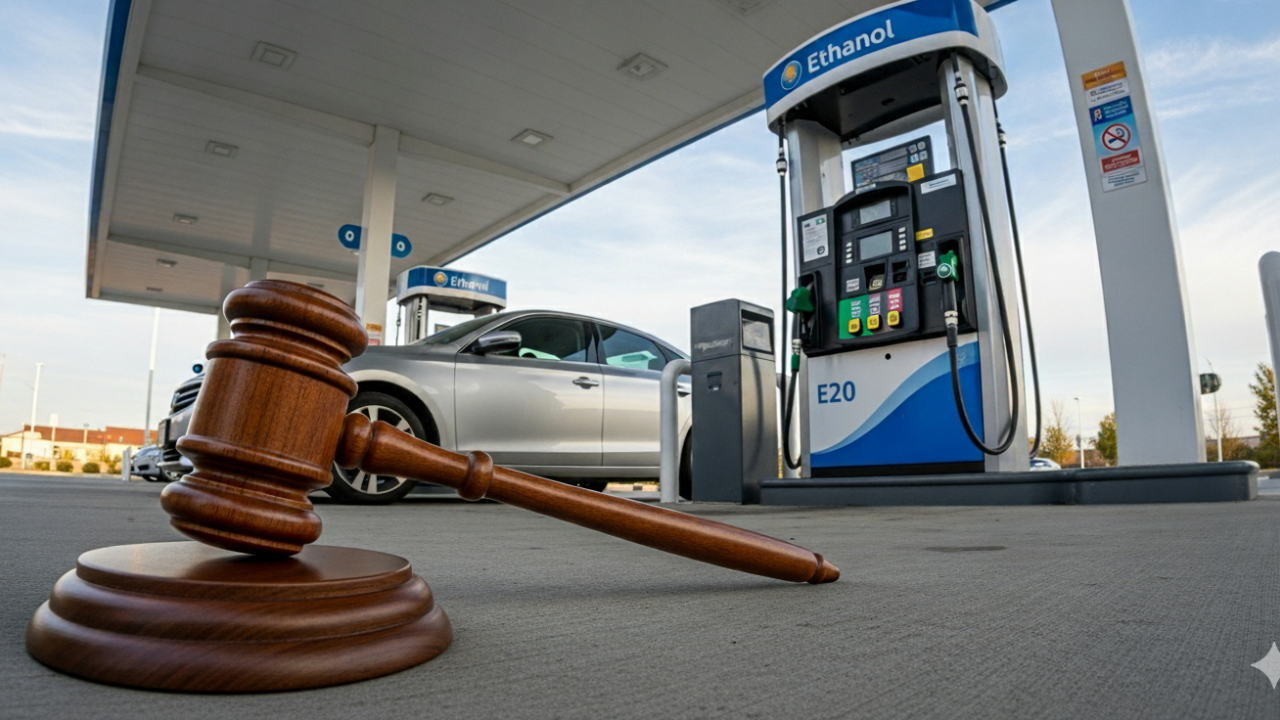
The Supreme Court has rejected a Public Interest Litigation (PIL) challenging the nationwide rollout of 20% ethanol-blended petrol (E20). The plea had sought the option of ethanol-free petrol for motorists, but the court upheld the government’s decision, citing its energy and environmental objectives.

People Also Search
What are the environmental benefits of using ethanol-blended fuels like E20 compared to traditional petrol?
How has the Indian government supported the expansion of ethanol production and blending?
What challenges do older vehicles face when transitioning to ethanol-blended fuels?
What role do flex-fuel vehicles play in India's ethanol blending strategy?
How has the ethanol blending program impacted farmer incomes in India?
The Supreme Court dismissed a PIL filed by advocate Akshay Malhotra opposing the compulsory rollout of 20% ethanol-blended petrol. The petitioner argued that millions of motorists were being forced to use fuel not designed for their vehicles and requested the availability of ethanol-free petrol at all fuel stations.
A bench led by Chief Justice B R Gavai and Justice K Vinod Chandran did not accept these arguments. The court noted that the government’s policy aligns with broader energy security and environmental targets, such as reducing crude oil imports and lowering vehicle emissions.
Centre’s Stand
The Ministry of Petroleum and Natural Gas opposed the plea, stating that the E20 programme also supports sugarcane farmers. According to the Centre, the ethanol blending programme is part of a wider national strategy and cannot be challenged through individual consumer preference.
Industry and Stakeholder Response
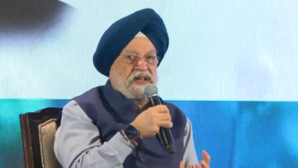
On August 30, 2025, a panel discussion involving oil companies, automakers, distilleries, certification bodies like ARAI and iCAT and regulators such as BIS addressed concerns about the E20 programme. Stakeholders reiterated that vehicles are being developed and upgraded to handle specified fuel blends in line with government timelines.
The panel also clarified that claims linking E20 to insurance or warranty issues are unfounded. Testing agencies, government officials and insurers confirmed that insurance policies remain valid for vehicles running on ethanol-blended fuel.
Way Forward
The ruling ensures that the nationwide rollout of E20 petrol will continue as planned. The ethanol blending programme remains central to India’s efforts to diversify fuel sources, manage crude oil imports and support domestic agriculture.
Log in to post a comment.
End of Article
Trending

Royal Enfield Continental GT 750 Unveiled at EICMA 2026; Gets 743cc Engine, Faired and Unfaired Versions

Ducati Unveils Five New Motorcycles at EICMA 2026, Diavel V4 S and DesertX Rally Among Highlights
Royal Enfield Himalayan 750 Makes Global Debut at EICMA 2026; India Launch Soon?

2027 Harley-Davidson Sprint 440 Breaks Cover Ahead Of EICMA 2026 Debut; Will it Come to India?

Norton 450 Urban Roadster Revealed Ahead of EICMA 2026 Debut
Hero Xpulse 421 Teased Ahead of EICMA 2026 Debut; India Launch Expected in 2027

Hyundai Registers Over 16 Percent Growth in Car Sales for October 2026
Popular




STAY UPDATED Get the latest news from Times Drive
You May Also Like You May Also Like