New Delhi


HPCL Presents Times Drive Auto Summit and Awards 2025: Are Evolving Car Technologies A Boon Or A Bane?
Automotive leaders at the 2025 Times Drive Summit discussed the shift towards software-defined electric vehicles, with hydrogen's future role. Connected car tech, at 26% penetration, drives demand for safety and smart mobility. AI, LIDAR, and ADAS are key safety innovations. Challenges remain in accessibility and developing battery, charging, and autonomous tech for widespread adoption.

Saptak Bardhan
Updated Mar 26, 2025, 05:19 PM IST
HPCL Presents Times Drive Auto Summit and Awards 2025: Are Evolving Car Technologies A Boon Or A Bane?
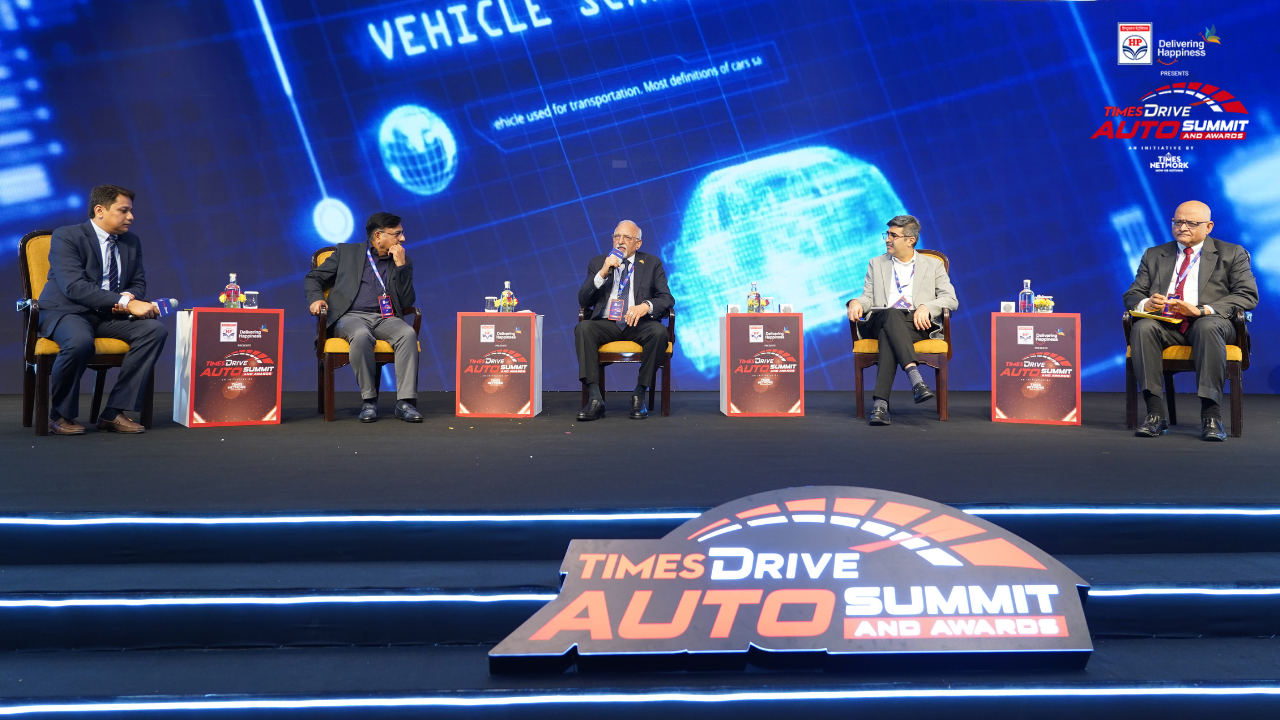
The automotive industry is undergoing a significant shift which is being driven by the emergence of vehicles built upon car technology, with hydrogen role term. At HPCL Presents 2025 Times Drive Auto Summit and Awards, Puneet Anand, AVP and Vertical Head, Corporate Communications and Social, Hyundai Motor India, Vijay Kumar Misra, Technical Director- JK Tyres and Industries, Jyoti Malhotra, MD, Volvo Auto India and Ravi Bhatia, President, Jato Dynamics touched upon the important points of innovation in automotive technology and future trends.
Penetration of car technology is currently at 26% along with its growth, highlights industry trajectory. Additionally, the surge is fueled by the demand for road safety and mobility solutions. Moreover, future mobility is defined by pillars: safety, mobility, sustainability. In addition to that, innovations in the tyre space and vehicle automation and connectivity are pushing boundaries.
“The penetration of connected car technology, currently at 26% and is growing rapidly. This surge is fueled by the demand for enhanced road safety and smart mobility solutions. The future of mobility is defined by three pillars: safety, smartness, and sustainability,” Anand added.
At the heart of this transformation lies consolidation units into computing platforms, enabling control and processing power. Furthermore, intelligence is playing role improving pedestrian and commuter safety, with technologies and systems evolving.
“Artificial intelligence (AI) is playing a pivotal role in improving pedestrian and commuter safety, with technologies like LIDAR and advanced driver-assistance systems (ADAS) evolving rapidly. Predictive ADAS features promise to anticipate and mitigate potential hazards, ushering in a new era of proactive safety. However, LIDAR will be the future of automotive safety despite the evolution of ADAS,” Malhotra stated.
However, future mobility faces challenges. Accessibility remains concern, with technologies creating a gap. Technologies, batteries and charging solutions require development which ensures adoption.
“Accessibility remains a concern, with current technologies often creating a discriminatory gap. Experimental technologies, such as high-density batteries, convenient charging solutions, and fully autonomous driving, require further development to ensure widespread adoption. These advancements must address environmental concerns and meet the ever-increasing demands of a connected world, ensuring that the future of mobility is safe, smart, sustainable, and accessible to all,” Bhatia concluded.
Log in to post a comment.
End of Article
Trending
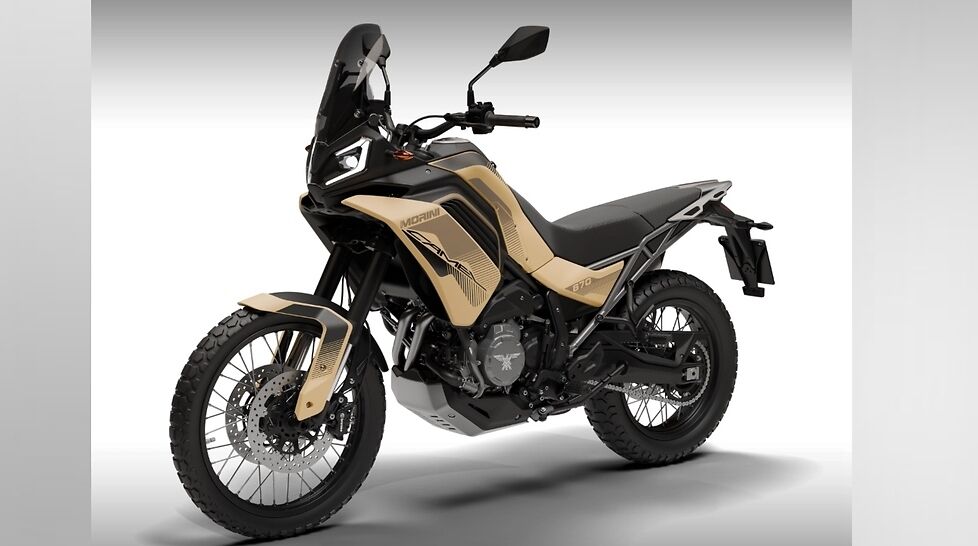
Moto Morini Camel Unveiled at EICMA 2026: Gets 670cc Engine, 250mm Suspension Travel
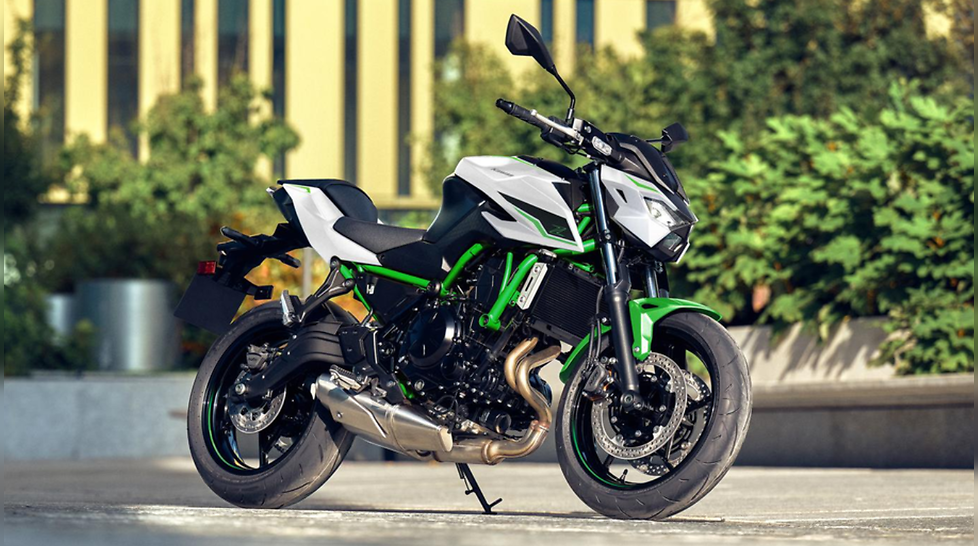
Kawasaki Z650 S Launched in India at Rs 7.59 Lakh; Gets Revised Styling and New Features

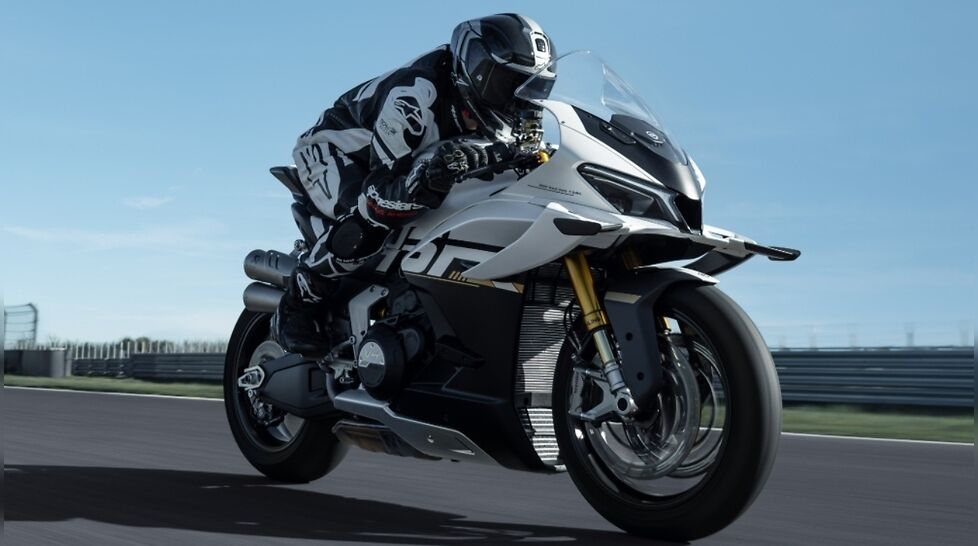
CFMoto V4 SR-RR Unveiled at EICMA 2026, Gets 210bhp V4 Engine

Ducati Desmo450 MX Factory, EDX Launched in India: Price, Engine, Features and More

KTM 450 RC Unveiled at EICMA 2026: Gets 56bhp Parallel-Twin Engine, India Launch Ruled Out
VinFast VF MPV 7 EV Gets a Price Cut of Over 4 Lakh: Check New Price
Volkswagen Virtus Facelift Teased Ahead of India Launch: Here's What to Expect
Popular

STAY UPDATED Get the latest news from Times Drive