New Delhi


Volvo Shared Life-Saving Seat Belt Tech With The World In 1959, Now They’re Back With A Smarter One
Volvo Cars has announced a new type of safety belt for its upcoming EX60 electric SUV. The multi-adaptive system adjusts restraint force based on crash data and individual passenger characteristics.

Keshav Rajput
Updated Jun 6, 2025, 12:06 PM IST

Volvo Introduce Sensor-Based Multi-Adaptive Safety Belt
Volvo Cars revealed a new safety belt system that will debut in the upcoming all-electric Volvo EX60, expected in 2026. This multi-adaptive safety belt is designed to adjust its load-limiting settings using real-time data during a crash, aiming to improve protection for vehicle occupants in varied crash situations.
Real-Time Response Based on Sensors
The new belt system uses data collected from both internal and external sensors in the car. These sensors monitor crash direction, speed, occupant posture, and other variables. This data is processed instantly to select a specific load-limiting setting from a broader range than traditional systems. The new system expands the number of settings from three to eleven, increasing the potential for tailored restraint based on the situation and individual.
Personalised Restraint Settings
The technology adjusts restraint levels based on a person’s physical profile—such as height, weight, and seating position. For instance, it applies more force for larger occupants during severe collisions, and less force for smaller occupants in minor crashes. This aims to reduce different types of injuries depending on body type and crash intensity.

Volvo Sensor-Based Multi-Adaptive Safety Belt
Informed by Crash Research
Volvo’s development of the belt draws from over 80,000 real-world crash cases collected over five decades. This data has influenced the design of the system, which aligns with the company’s internal safety standards that go beyond current regulatory requirements.
Continuous Updates Through Software
The belt system is integrated into Volvo's safety ecosystem and is designed to evolve over time. Using over-the-air updates, the system can receive new data and improve its performance. As more real-world crash data becomes available, the system is expected to refine its response patterns further.
Åsa Haglund, head of Volvo Cars Safety Centre, said, “The world first multi-adaptive safety belt is another milestone for automotive safety and a great example of how we leverage real-time data with the ambition to help save millions of more lives. This marks a major upgrade to the modern three-point safety belt , a Volvo invention introduced in 1959, estimated to have saved over a million lives.”
Tested at Dedicated Crash Facility
The belt was tested at the Volvo Cars Safety Centre crash lab in Sweden, which marks its 25th anniversary this year. The facility allows engineers to simulate various crash scenarios beyond standard regulatory tests.
Log in to post a comment.
End of Article
Trending
BSA Unveils Bantam Scrambler 350 and Bantam Bobber 350 at EICMA 2026
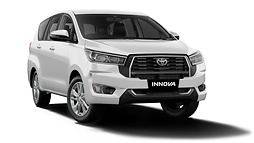
Toyota Innova Crysta Limo Launched for Fleet Applications; Prices Start at Rs 19.95 Lakh
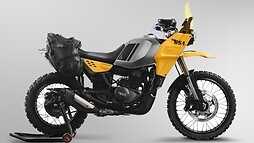
BSA Thunderbolt 350 Unveiled at EICMA 2026: Gets 334cc Engine and Rally-Inspired Design
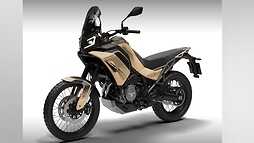
Moto Morini Camel Unveiled at EICMA 2026: Gets 670cc Engine, 250mm Suspension Travel
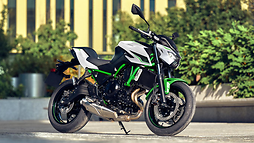
Kawasaki Z650 S Launched in India at Rs 7.59 Lakh; Gets Revised Styling and New Features
CFMoto V4 SR-RR Unveiled at EICMA 2026, Gets 210bhp V4 Engine
Ducati Desmo450 MX Factory, EDX Launched in India: Price, Engine, Features and More
Popular


STAY UPDATED Get the latest news from Times Drive