New Delhi


2025 Union Budget Effect In Play; Announcement Of EV Incentives Surge Automaker Stocks
India's 2025 Union Budget emphasizes sustainability, focusing on boosting domestic lithium-ion battery production for electric vehicles (EVs). Measures include customs duty exemptions and support for local battery manufacturing. Maruti Suzuki, Mahindra, and Hyundai stand to benefit from these incentives, while challenges like high costs and limited infrastructure persist. Battery and automaker stocks show varied responses.

Saptak Bardhan
Updated Feb 3, 2025, 03:14 PM IST

2025 Union Budget Effect In Play; Announcement Of EV Incentives Surge Automaker Stocks
The Indian government’s Union Budget for 2025, announced recently, has placed a strong emphasis on sustainability, with a particular focus on boosting the domestic production of lithium-ion batteries for electric vehicles (EVs). Some of the measures include customs duty exemptions for 35 critical capital goods used in battery manufacturing, as well as the removal of duties on key minerals such as cobalt and copper.
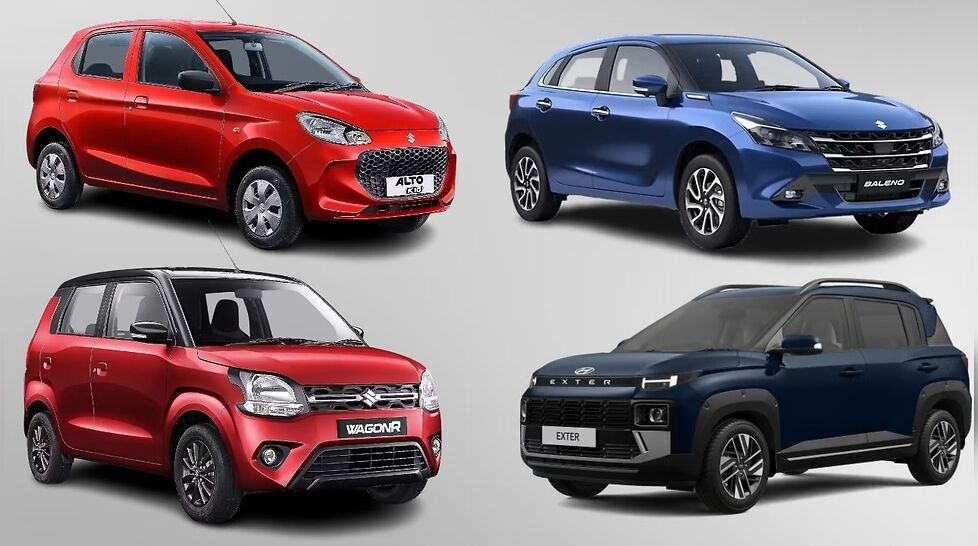
Additionally, Maruti Suzuki is expected to benefit from the budget's emphasis on affordable cars. The company made its first move into the electric vehicle market with the unveiling of the e Vitara at the 2025 Auto Expo. The stock of Maruti Suzuki rose by 6.8% during the trading session, closing 4.9% higher by the end of the day. Additionally, Maruti reported a 6.5% year-on-year increase in sales for January.
Indian automaker Mahindra has also entered the EV space with models like the BE 6 and XEV 9e, could see further growth from the government’s battery production incentives. The company’s stock has been climbing, likely driven by increasing demand for EVs and an 18% year-on-year boost in the passenger vehicle sales for January. South Korean automaker, Hyundai Motor also saw an uptick in its stock price, rising 4.4% after a 9% intraday jump, supported by sales of 65,603 units in January. However, Tata Motors experienced a dip, with its stock falling by 1.4%, reflecting an 11% drop in passenger vehicle sales year-on-year.
Despite the positive developments, the Indian EV market still faces challenges. Limited vehicle options, high initial costs, an underdeveloped charging infrastructure, and the ongoing reliance on imported battery cells continue to be major roadblocks when it comes to the electric vehicles market. However, the PM E-DRIVE scheme, launched in 2024, and the budget’s focus on local battery manufacturing, are expected to reduce the overall cost of EVs.
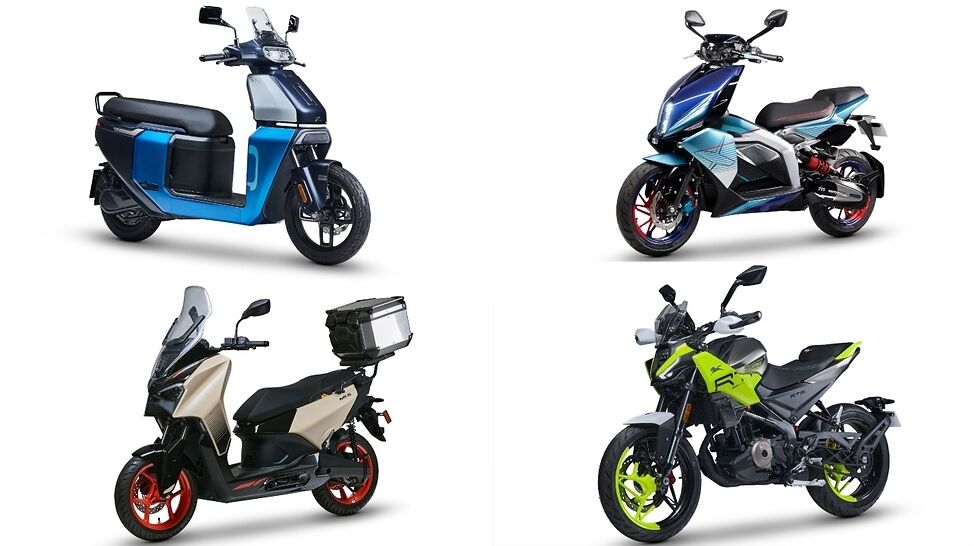
Battery manufacturers, including Exide Industries and Amara Raja Energy and Mobility Batteries, saw their stocks rise as well, up by 2.5% and 4%, respectively. In the two-wheeler space, Ola Electric Mobility witnessed a drop in its stock, while other major players like Bajaj Auto, TVS Motor, Eicher Motors, and Hero MotoCorp experienced gains ranging from 1% to 3.9%.
Log in to post a comment.
End of Article
Trending
VinFast VF MPV 7 EV Gets a Price Cut of Over 4 Lakh: Check New Price

Mercedes-Benz GLC EV Launched in India at Rs 78.50 Lakh: Gets 94kWh Battery, 490bhp Power

Honda Alpha EV Set to Launch in India on December 2: Expected Design, Features and Range

Hero Vida UBX 06 Electric Motorcycle Debuts at EICMA 2026: Features, Range and More

New Mini Cooper SE India Launch on November 27: Expected Price, Range, Battery, Features and More

Which Are the Most Affordable Electric Scooters in India in 2026?
How Long Do Electric Car Batteries Last in India? Life, Degradation and Warranty Explained
Popular


STAY UPDATED Get the latest news from Times Drive