New Delhi


Delhi Government Extends EV Policy Until March 2025, Restores Subsidies
The Delhi government has extended its Electric Vehicle (EV) Policy until March 2025. Subsidies and tax exemptions will apply to EV purchases made from January 1, 2024. The current policy was first introduced in 2020 and has been extended several times.

Keshav Rajput
Updated Dec 5, 2024, 11:58 AM IST
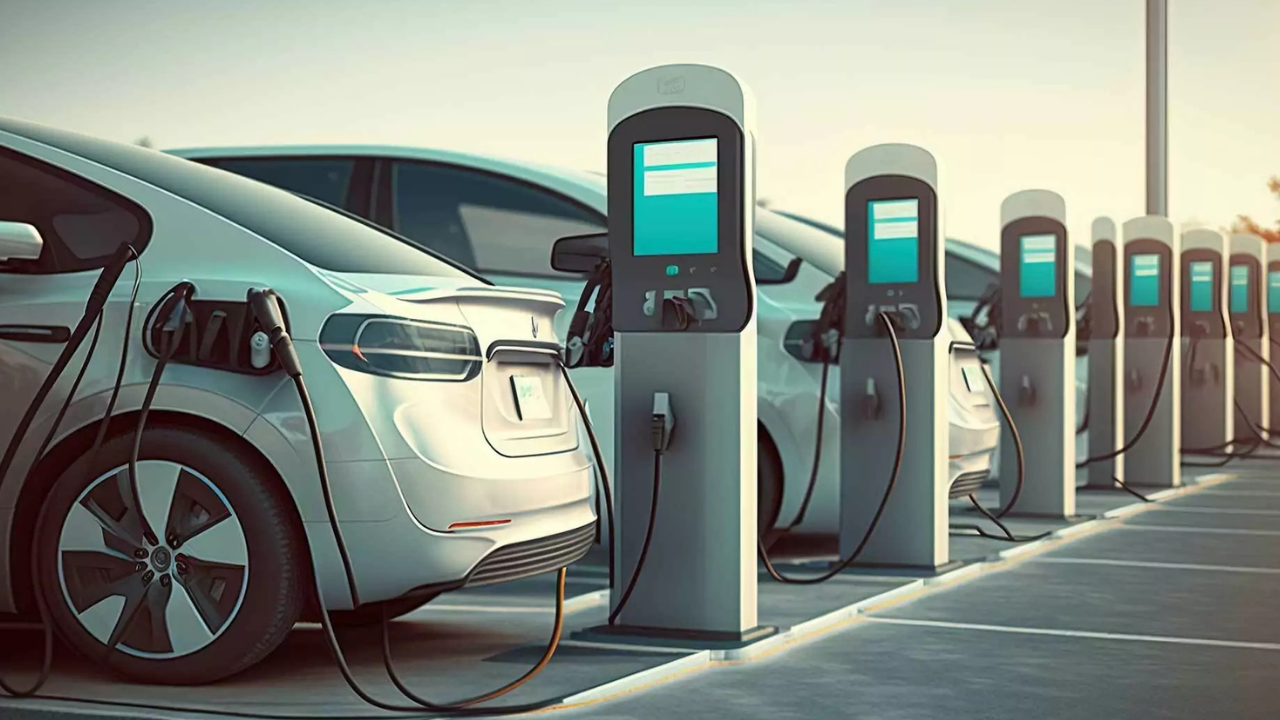
Delhi Extends EV Policy Until March 2025, Restores Subsidies
In October, we reported that Delhi government is planning to extend the current electric vehicle (EV) policy until March 2025 and yesterday Delhi CM Atishi called a press conference where she announced that the Delhi Electric Vehicle Policy has been extended till March 31 next year with subsidies and road tax exemptions reinstated for vehicles purchased on or after January 1, 2024.
The incentives under the policy include:
- Rs 5,000 per kWh of battery capacity (up to Rs 30,000) for two-wheelers.
- Rs 30,000 for e-rickshaws and e-carts.
- A subsidy of up to Rs 5,500 for e-cycles.
- Rs 30,000 for e-light commercial vehicles.
Ayush Lohia, CEO of Lohia, said, "The extension of the Electric Vehicle Policy till March 2025 is a welcome move, and the decision to transfer subsidies directly to the buyers' accounts will definitely boost the adoption of electric vehicles. We also need to bring down the GST on batteries, which is a significant component of the total cost of an electric vehicle. If the government provides a roadmap and reduce GST on batteries, it will accelerate the adoption of EVs."
Also, a purchase incentive of Rs 10,000 per kWh of battery capacity for the first 1000 cars up to Rs 1.5 lakh. However, Delhi crossed the 1000-car mark in August 2021 and incentives on e-cars are subject to further notification from the Delhi government.
Dr. Nishanth Dongari, Founder and MD, Pure EV, said, "The extension of Delhi’s EV Policy till March 2025 is a welcome move by the government to bolster the adoption of electric vehicles, which play a pivotal role in reducing vehicular emissions—a significant contributor to urban air pollution. Adoption of EV’s is crucial given the recent spike in AQI levels, which have highlighted the urgent need for cleaner mobility solutions to safeguard public health."
Dev Arora, Founder & CEO- Alt Mobility, said, "The extension of Delhi’s EV policy till March 2025 is a timely and forward-thinking move, especially as clarity on EV subsidies at the central level remains uncertain. By ensuring continued incentives, the Delhi government is enabling greater EV affordability, which will not only drive widespread adoption but also stimulate innovation and growth among OEMs, enhancing the overall EV ecosystem."
Atishi emphasized that EV registrations in Delhi have increase from 4% in 2019- 2020 to 12% in 2023. She also said that this policy is aimed to reduce pollution and encourage cleaner transportation.
The government is also working on a new EV Policy 2.0 to increase EV adoption to 25% by 2024. The current policy, first introduced in 2020, has been extended several times.
Kunal Gupta, Co-founder and CEO at EMotorad, adds, “We applaud the Delhi government’s decision to extend its EV policy till March 2025, a move that aligns perfectly with the urgent need to combat air pollution in India’s smog-struck cities. With subsidies and tax exemptions revived, the policy not only makes EV adoption more accessible but also incentivises a sustainable shift in urban mobility. Delhi’s rise in EV penetration—from 4% in 2019-20 to 12% today, the highest in the country—demonstrates the power of such initiatives in driving meaningful change."
Since the introduction of the EV policy in Delhi, there has been a notable growth seen in EV adoption. Between August 2020 and August 2024, more than 220,000 electric vehicles were registered in Delhi.
Madhumita Agrawal, CEO & Founder, Oben Electric, said," While waivers and subsidies have been instrumental in kickstarting EV adoption, they were always intended as temporary measures. For the long-term growth of the industry, it is important for consumers to recognize the inherent benefits of electric vehicles, such as reducing pollution, improving performance, and offering cost efficiency over time. Moving forward, we must focus on fostering a market where EV adoption is driven by these merits, ensuring a sustainable and self-reliant future for the electric vehicle sector.”
This extension of Delhi EV Policy will allow the EV buyers to get the financial benefits like subsidies and incentives which are on hold, since the EV policy got expired in December 2023.
Akshit Bansal, CEO & Founder, Statiq, said, "At Statiq, we are committed to supporting this shift by strengthening Delhi’s EV infrastructure. As adoption grows, we will accelerate the expansion of our charging network, ensuring that EV users have access to reliable and convenient charging solutions, whether at home, work, or on the go. Our aim is to eliminate barriers to EV adoption and build confidence among users. The policy will help create a more sustainable and inclusive urban transport system. The incentives for e-cycles, e-rickshaws, and e-carts address last-mile connectivity while supporting livelihoods. This holistic approach ensures that the benefits of EV adoption are widespread and meaningful."
Gunjan Malhotra, Co-Founder of Komaki Electric, said, "The extension of Delhi's EV policy until March 2025 is a welcome move that will significantly boost the adoption of electric vehicles in the region. The restoration of subsidies will further incentivise consumers to make the switch to cleaner and greener mobility solutions. This decision aligns with the government's vision of a sustainable future and will propel the EV industry to new heights."
Jaibir Siwach, CEO of Kabira Mobility, said, "The extension of Delhi's EV policy till March 2025 represents a crucial step in maintaining the momentum of India's electric mobility transition. However, we need to look beyond just extending the existing framework. The focus should now shift to developing a comprehensive EV Policy 2.0 that addresses emerging challenges. This should include enhanced support for domestic manufacturing, standardization of charging infrastructure, and specific incentives for advanced technology development."
Log in to post a comment.
End of Article
Quick Price CompareTata Punch EV Price in India
- Popular Cities
- Similar Brands
Trending
VinFast VF MPV 7 EV Gets a Price Cut of Over 4 Lakh: Check New Price

Mercedes-Benz GLC EV Launched in India at Rs 78.50 Lakh: Gets 94kWh Battery, 490bhp Power

Honda Alpha EV Set to Launch in India on December 2: Expected Design, Features and Range
Hero Vida UBX 06 Electric Motorcycle Debuts at EICMA 2026: Features, Range and More
New Mini Cooper SE India Launch on November 27: Expected Price, Range, Battery, Features and More
Which Are the Most Affordable Electric Scooters in India in 2026?
How Long Do Electric Car Batteries Last in India? Life, Degradation and Warranty Explained
Popular

STAY UPDATED Get the latest news from Times Drive