New Delhi


Indian Government Reveals Guidelines For Electric Car Manufacturing To Attract Global Investment
The Indian government has unveiled the guidelines for the Scheme to Promote Manufacturing of Electric Passenger Cars in India (SPMEPCI), which aims to enhance local production. Automakers must invest at least Rs 4,150 crore to qualify for reduced customs duties on imported electric vehicles. Compliance measures include bank guarantees and local sourcing requirements. The scheme also has a financial cap of Rs 6,484 crore. The application process will soon open for companies meeting specific revenue and asset criteria, supporting India's net-zero emissions goal by 2070.

Saptak Bardhan
Updated Jun 3, 2025, 11:20 AM IST
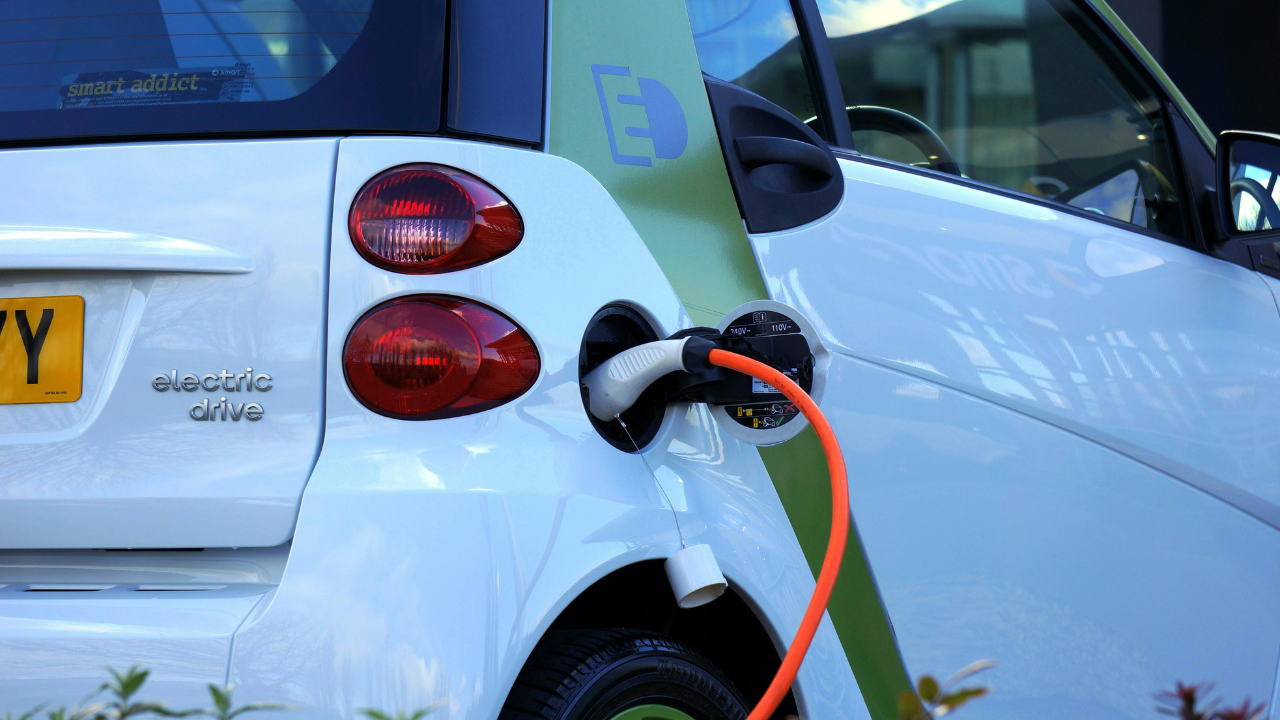
Indian Government Releases New Electric Car Manufacturing Policy To Attract Global Investment
The Indian government has released the detailed guidelines for its Scheme to Promote Manufacturing of Electric Passenger Cars in India (SPMEPCI), which was earlier approved and announced on March 15, 2024.
What Should You Know About The SPMEPCI Policy?
As per the guidelines, an automaker must commit to investing at least Rs 4,150 crore (approximately $500 million) to establish a manufacturing plant in India. In return, automakers can import up to 8,000 completely built electric (CBU) four-wheelers annually at a reduced customs duty of 15% for five years, if the vehicles are priced at $35,000 or more.The government has placed safeguards with the companies required to provide a bank guarantee of Rs 4,150 crore or the total customs duty exemption received whichever is higher, ensuring compliance with investment as well as localisation targets mentioned in the policy.
In addition to that, companies that participate should achieve a 25% local component sourcing within three years of setting up base which should increase to 50% within five years and it should be in line with the standards of the existing PLI Auto Scheme. Moreover, benefits under the scheme have a ceiling of Rs 6,484 crore with committed investment or a maximum duty foregone limit, whichever is lower.
Application and Processes
Union Minister of Heavy Industries, H.D. Kumaraswamy, said, “The scheme's primary goal is to channel global investments into manufacturing facilities, research and development (R&D) equipment, and specific building expenses, excluding land costs”. Interestingly, spending on charging infrastructure is capped at 5% of the total committed investment.
The application process for the scheme is set to open soon. The application process will have a window of 120 days for companies to apply online. Eligibility criteria mandates applicants show a minimum global automotive revenue of Rs 10,000 crore as well as Rs 3,000 crore of global fixed assets. Furthermore, the Union Minister of Heavy Industries, Kumaraswamy emphasised that the initiative aligns with India’s target of net-zero emissions by 2070.
Log in to post a comment.
End of Article
Trending
VinFast VF MPV 7 EV Gets a Price Cut of Over 4 Lakh: Check New Price

Mercedes-Benz GLC EV Launched in India at Rs 78.50 Lakh: Gets 94kWh Battery, 490bhp Power

Honda Alpha EV Set to Launch in India on December 2: Expected Design, Features and Range

Hero Vida UBX 06 Electric Motorcycle Debuts at EICMA 2026: Features, Range and More

New Mini Cooper SE India Launch on November 27: Expected Price, Range, Battery, Features and More

Which Are the Most Affordable Electric Scooters in India in 2026?
How Long Do Electric Car Batteries Last in India? Life, Degradation and Warranty Explained
Popular





STAY UPDATED Get the latest news from Times Drive