New Delhi


Range Rover Electric Completes Second Phase Of Arctic Testing
Range Rover Electric prototypes have finished a second winter testing phase in the Arctic Circle, focusing on thermal management, battery performance and all-surface handling as part of their development programme.

Keshav Rajput
Updated Apr 28, 2025, 09:59 AM IST
Range Rover Electric Completes Second Phase Of Arctic Testing
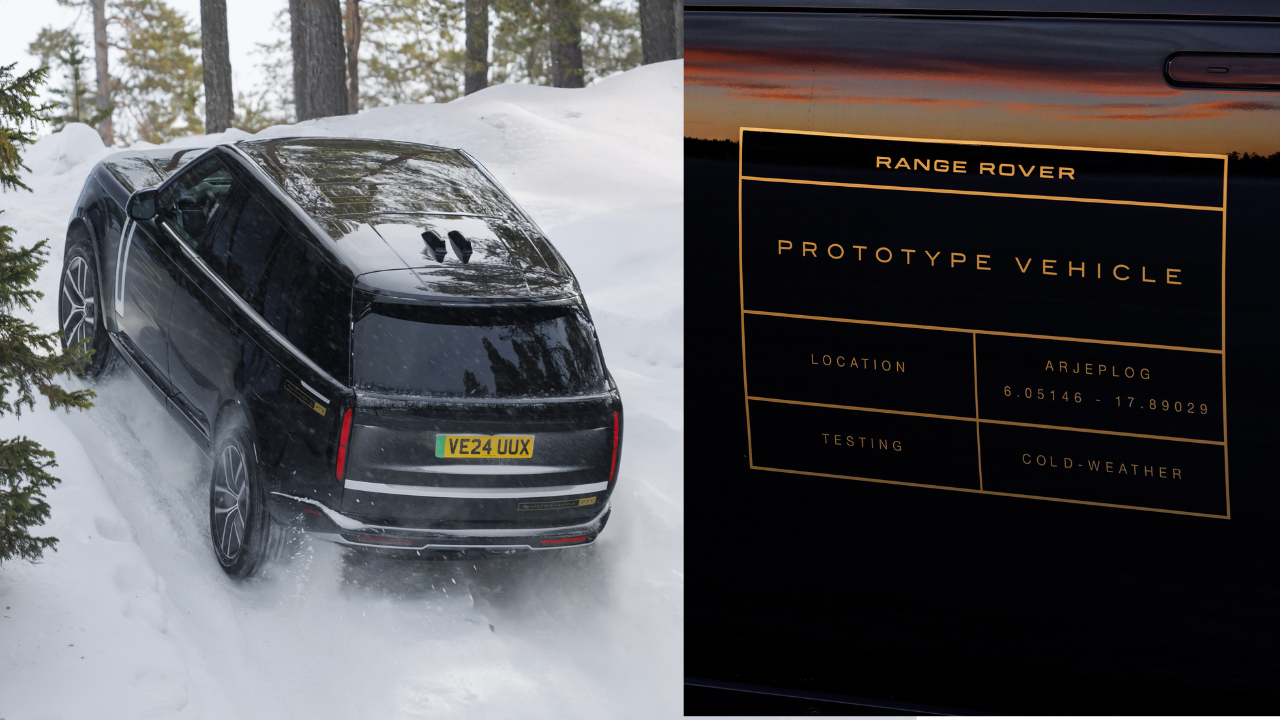
Range Rover confirmed the completion of a second winter testing season for its electric vehicle prototypes. Testing took place in Arjeplog, Sweden, covering around 45,000 miles on frozen lakes and land tracks. Engineers tested thermal systems, battery operation and all-terrain capabilities in low temperatures.
Testing of Thermal Management Technology
The ThermAssist system was tested to manage energy use and maintain battery and cabin temperatures. The system is designed to reduce heating energy use by up to 40 percent and operate at temperatures as low as -10°C. It also aims to preserve charging performance during cold weather.
Evaluation of Battery and Energy Systems
The Range Rover Electric uses an 800V battery developed by JLR. The 117kWh battery consists of 344 prismatic cells in a two-layer structure. Testing focused on energy density, charging times and system operation in sub-zero conditions.
Validation of Single Pedal Driving and Suspension Systems
Engineers tested single pedal driving, allowing the vehicle to slow down and stop without using the brake pedal. This function is linked with Terrain Response and Hill Hold features. Switchable twin-chamber air suspension was tested to manage weight distribution and vehicle control on low-grip surfaces.
Thomas Müller, Executive Director, Product Engineering, JLR, said, "Rigorous testing procedures in extreme and unpredictable conditions like those experienced in Arjeplog are crucial to Range Rover Electric's real‑world reliability and resilience. Our second winter season in the Arctic Circle has provided the perfect opportunity for us to put our new ThermAssist technology to the test, and it has surpassed our expectations. It will help to ensure Range Rover Electric’s range remains intelligently optimised while also ensuring charging speeds are maintained when a top‑up is required."
Assessment of All-Wheel Drive and Traction Management
The Intelligent Driveline Dynamics (IDD) system was tested for its ability to distribute torque between the rear wheels. Integrated Traction Management was evaluated for motor speed control and slip management, aiming to maintain stability across different surfaces.
Matt Becker, Vehicle Engineering Director, JLR, said, "In its driving character, Range Rover should seamlessly combine capability and refinement. Delivering both in an electric vehicle in a way that doesn’t diminish the vehicle in other areas is incredibly challenging. By increasing its torsional stiffness and improving its responses, we’ve been able to maintain a customary Range Rover driving experience that feels familiar. We have delivered on this promise by marrying all the essential Range Rover elements with new and advanced technologies."
Also Read
Log in to post a comment.
End of Article
Trending
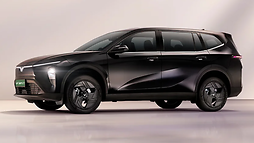
VinFast VF MPV 7 EV Gets a Price Cut of Over 4 Lakh: Check New Price
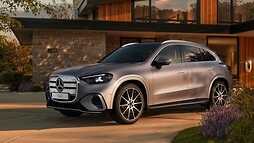
Mercedes-Benz GLC EV Launched in India at Rs 78.50 Lakh: Gets 94kWh Battery, 490bhp Power
Honda Alpha EV Set to Launch in India on December 2: Expected Design, Features and Range
Hero Vida UBX 06 Electric Motorcycle Debuts at EICMA 2026: Features, Range and More
New Mini Cooper SE India Launch on November 27: Expected Price, Range, Battery, Features and More
Which Are the Most Affordable Electric Scooters in India in 2026?
How Long Do Electric Car Batteries Last in India? Life, Degradation and Warranty Explained
Popular
STAY UPDATED Get the latest news from Times Drive