New Delhi


Reliance New Energy Signs Agreement For 10 GWh Capacity Under PLI ACC Scheme
The Ministry of Heavy Industries (MHI) has signed an agreement with Reliance New Energy Battery Limited under the Production Linked Incentive (PLI) Scheme for Advanced Chemistry Cell (ACC) battery manufacturing. With this, a total of 40 GWh capacity has been awarded under the scheme, which aims to establish a 50 GWh domestic battery manufacturing capacity.

Keshav Rajput
Updated Feb 19, 2025, 10:54 AM IST
Reliance New Energy Signs Agreement For 10 GWh Capacity Under PLI ACC Scheme
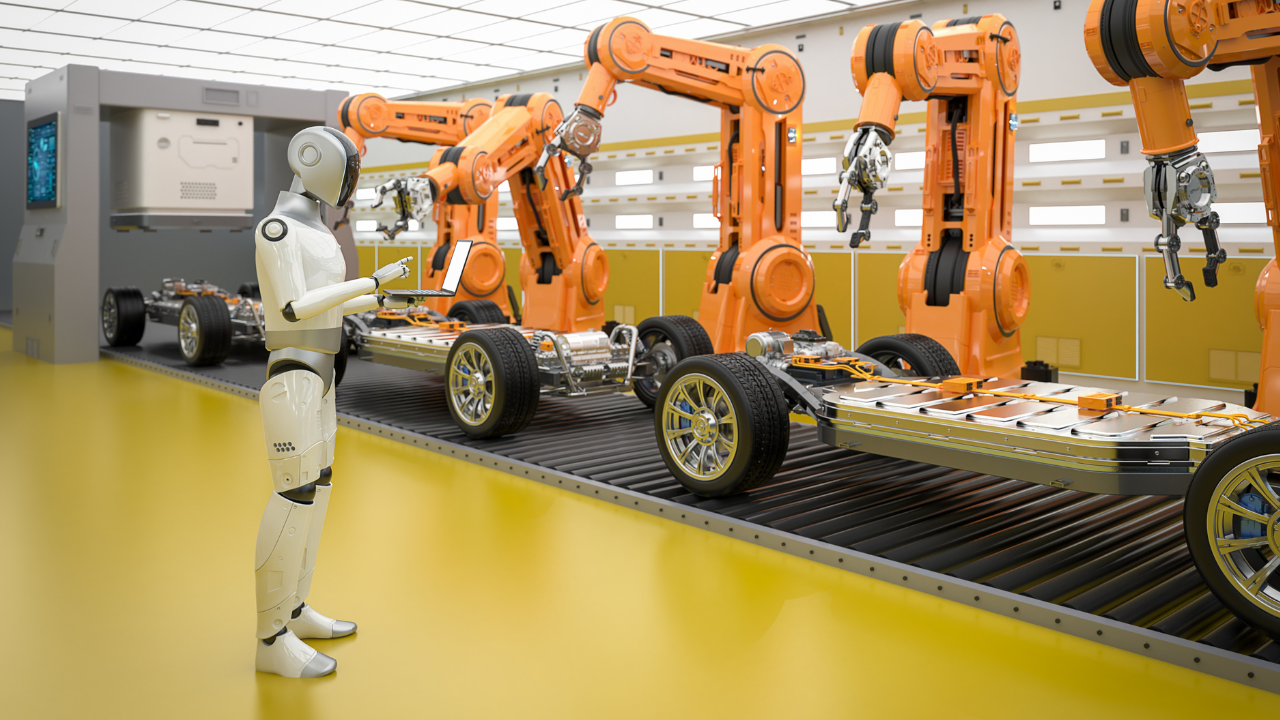
The Ministry of Heavy Industries (MHI), Government of India, signed a Programme Agreement with Reliance New Energy Battery Limited, a subsidiary of Reliance Industries Limited. This agreement grants Reliance 10 GWh capacity under the PLI Scheme for Advanced Chemistry Cell (ACC) battery storage. The company secured this allocation following a competitive bidding process and will be eligible for incentives under the Rs 18,100 crore scheme.
The cabinet approved the PLI Scheme on the “National Programme on Advanced Chemistry Cell (ACC) Battery Storage,” in May 2021 with a total outlay of Rs18,100 crore aimed at achieving a total manufacturing capacity of 50 GWh. With this agreement signing a cumulative capacity of 40 GWh has been awarded to four selected beneficiary firms out of 50 GWh capacity. In the first round of bidding conducted in March 2022, three beneficiary firms were allocated a total capacity of 30 GWh, and the Programme Agreements for that round were signed in July 2022.
During the signing, senior officials from MHI highlighted that the PLI ACC Scheme is designed to boost local value addition while ensuring that the cost of battery manufacturing in India remains globally competitive. The scheme will allows the beneficiary firm the flexibility to adopt the most suitable technology and associated inputs for establishing state-of-the-art ACC manufacturing facilities, thereby supporting mainly the EV and renewable energy storage sectors.
The Union Budget for FY2025-26 introduced measures to promote battery manufacturing. It exempted 35 additional capital goods used in EV battery production from Basic Customs Duty (BCD), a step aimed at supporting lithium-ion battery production. These initiatives align with India’s strategy to strengthen domestic manufacturing and establish a self-reliant battery production ecosystem.

Log in to post a comment.
End of Article
Trending
VinFast VF MPV 7 EV Gets a Price Cut of Over 4 Lakh: Check New Price

Mercedes-Benz GLC EV Launched in India at Rs 78.50 Lakh: Gets 94kWh Battery, 490bhp Power

Honda Alpha EV Set to Launch in India on December 2: Expected Design, Features and Range

Hero Vida UBX 06 Electric Motorcycle Debuts at EICMA 2026: Features, Range and More

New Mini Cooper SE India Launch on November 27: Expected Price, Range, Battery, Features and More

Which Are the Most Affordable Electric Scooters in India in 2026?

How Long Do Electric Car Batteries Last in India? Life, Degradation and Warranty Explained
Popular





STAY UPDATED Get the latest news from Times Drive