New Delhi


Scania And DHL To Test Electric Truck With Fuel-Powered Range Extender For Parcel Transport
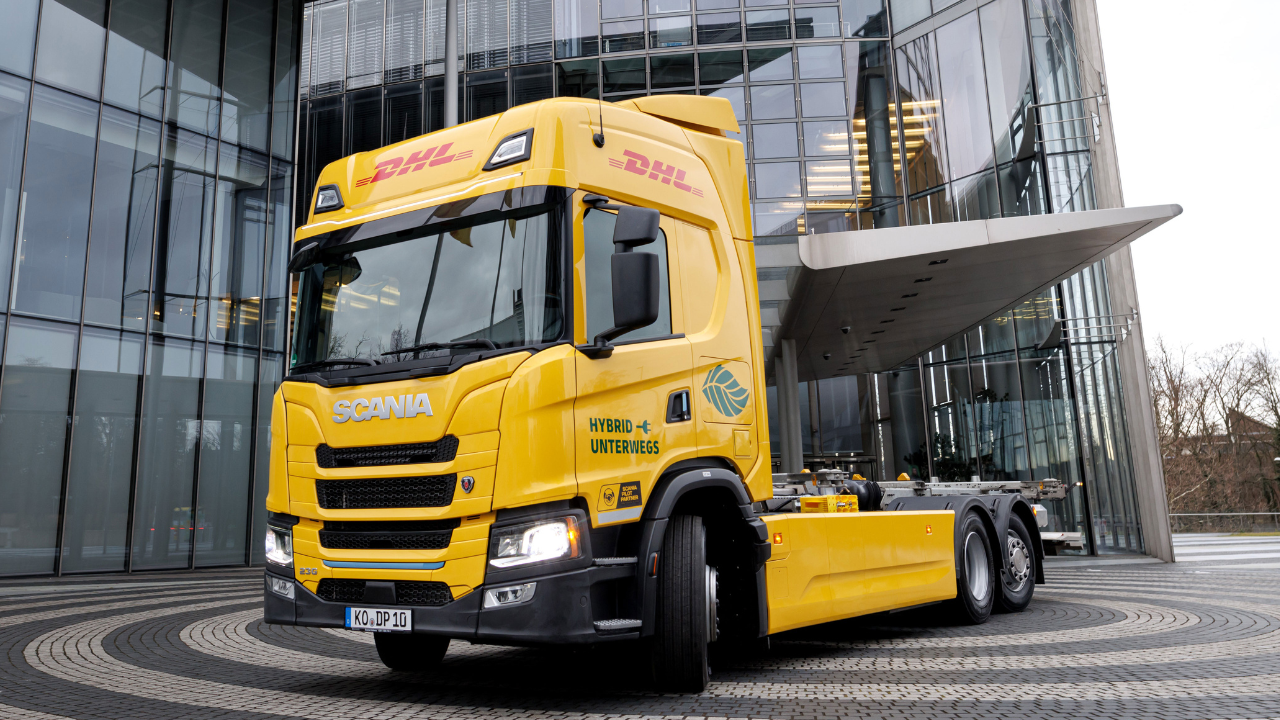
Scania and DHL Group have developed an electric truck with a fuel-powered range extender to address challenges in fully electric road transport. The truck will be tested on the Berlin-Hamburg route starting February 2025. The vehicle aims to reduce reliance on fossil fuels while ensuring operational efficiency.

Keshav Rajput
Updated Feb 24, 2025, 01:23 PM IST
Scania And DHL To Test Electric Truck With Fuel-Powered Range Extender For Parcel Transport
Scania and DHL Group have introduced an electric truck that includes a fuel-powered generator, allowing for extended range while maintaining a focus on battery-electric transport . The vehicle is designed to help address infrastructure challenges such as limited charging points and high electricity costs during peak seasons.
Testing on the Berlin-Hamburg Route
The new e-truck will be deployed by the Post & Parcel Germany division in February for parcel transport between Berlin and Hamburg to test its performance in day-to-day operations, before additional vehicles are added to DHL’s fleet.
Technical Details and Range
The truck is 10.5 meters long, with a maximum weight of 40 metric tons. It is powered by a 230 kW electric engine (295 kW peak) and has a 416 kWh battery. A 120 kW fuel-powered generator that initially runs on petrol and later capable of using diesel or HVO, replaces one of the battery packs. This setup allows the vehicle to travel between 650 and 800 kilometers, depending on testing results. In comparison, Scania’s fully electric trucks can achieve up to 550 kilometers of range.
The EREV has been developed by Scania Pilot Partner, exploring new technologies and solutions, in this case together with the strategic partner DHL. Range-extended electric vehicles offer a promising interim solution for significant CO₂e reductions, especially where infrastructure and other conditions for fully electric transport are lacking. EU and national policies should recognise and incentivise this concept through adequate recognition of the realistic emission intensity in and proportional road toll reductions.
Christian Levin, CEO, Scania: “The future is electric, but perfect must not be the enemy of good as we are getting there. The vehicle we have developed together with DHL is an example of interim solutions that can enhance the scaling of decarbonised heavy transport before the transport system eventually becomes 100 percent electrified. An effective climate transition requires that policymakers accept such solutions, while ramping up their investments in public infrastructure and other enabling conditions.”
Log in to post a comment.
End of Article
Trending
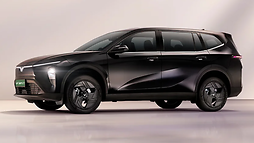
VinFast VF MPV 7 EV Gets a Price Cut of Over 4 Lakh: Check New Price
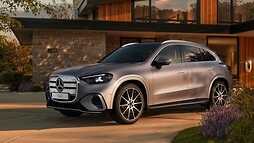
Mercedes-Benz GLC EV Launched in India at Rs 78.50 Lakh: Gets 94kWh Battery, 490bhp Power
Honda Alpha EV Set to Launch in India on December 2: Expected Design, Features and Range
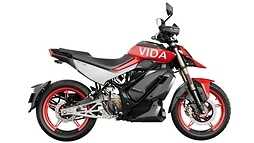
Hero Vida UBX 06 Electric Motorcycle Debuts at EICMA 2026: Features, Range and More
New Mini Cooper SE India Launch on November 27: Expected Price, Range, Battery, Features and More
Which Are the Most Affordable Electric Scooters in India in 2026?
How Long Do Electric Car Batteries Last in India? Life, Degradation and Warranty Explained
Popular
STAY UPDATED Get the latest news from Times Drive