New Delhi


Tata Harrier & Safari Petrol First Drive: Has Tata Finally Nailed the Petrol Punch?
Tata's new petrol Harrier and Safari bring the 1.5L TGDi engine with decent performance, exclusive features like a huge 14.5-inch screen and dashcam, but retain some ergonomic and braking niggles. The Harrier drives better than the heavier Safari – a solid option for petrol buyers, though diesels still rule torque.

Ankur Taneja
Updated Dec 24, 2025, 12:15 PM IST
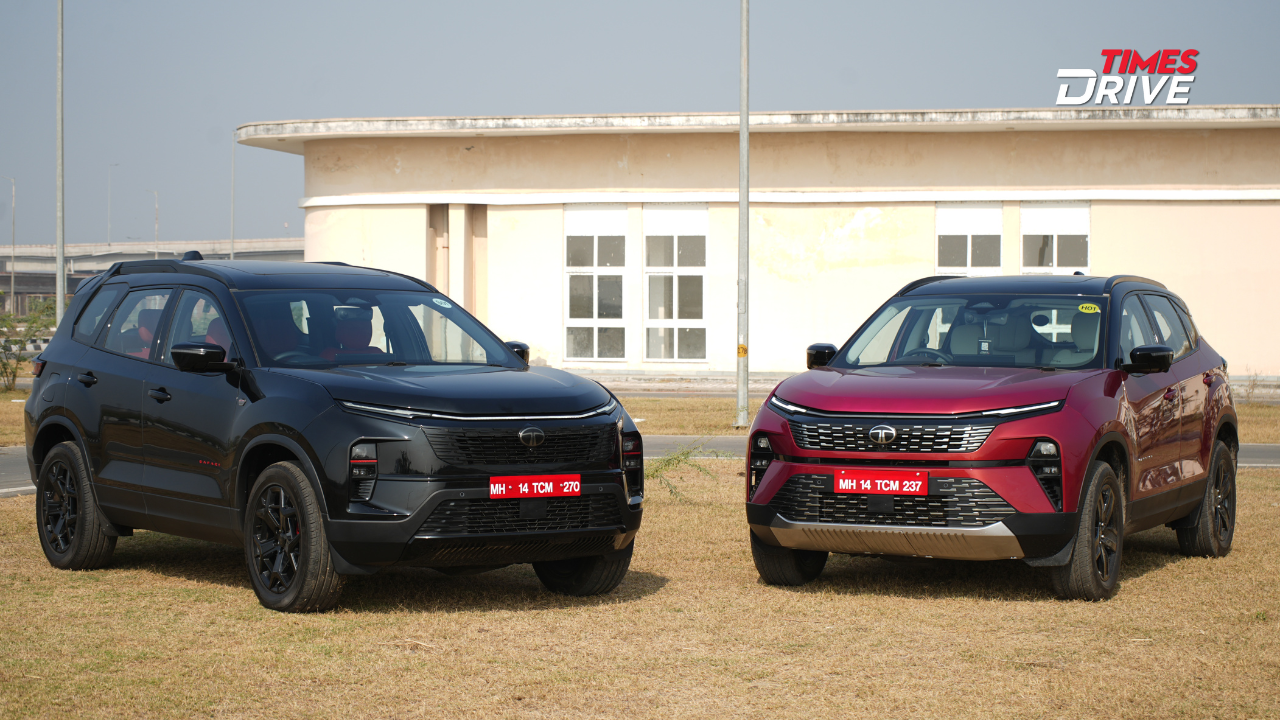
Tata Harrier & Safari Petrol First Drive: Has Tata Finally Nailed the Petrol Punch?
Photo : TIMES DRIVE
After years of waiting, Tata has finally rolled out petrol power for its flagship SUVs, the Harrier and Safari. The same 1.5-litre TGDi engine we've seen in the Curvv and Sierra powers both, but retuned to cope with their heftier builds. Does it deliver the refinement and punch buyers crave in this segment, or does it still leave you yearning for the diesel's torque? We hopped behind the wheel to find out how these petrol variants drive, what new kit they bring, and if they're worth the switch.

People Also Search
What are the expected pricing details for the petrol variants of the Tata Harrier and Safari compared to their diesel counterparts?
What are some notable features that the petrol variants of the Harrier and Safari will share with their diesel counterparts?
How does the new 1.5-litre TGDi petrol engine in the Harrier and Safari compare to the engines in other Tata models like the Sierra?
What are the different transmission options expected for the petrol variants of the Harrier and Safari?
How do the dimensions of the Tata Harrier and Safari compare to the newly revived Tata Sierra?
Design and Features: Subtle Updates with Petrol-Exclusive Touches
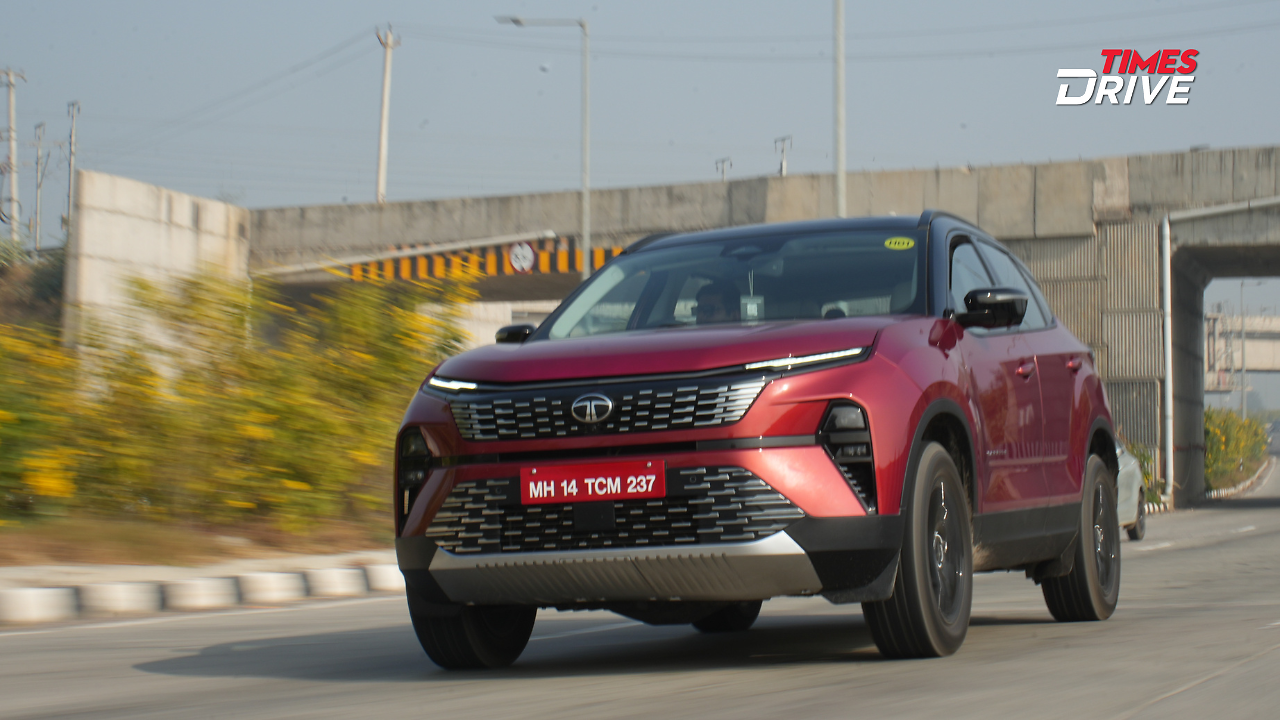
Visually, the petrol Harrier and Safari remain unchanged from their diesel siblings – same bold proportions, dimensions, wheel sizes, and boot space. The Harrier sticks with 18-inch alloys and dual-tone finishes, while the Safari gets sportier wheels with red brake calipers on the Dark Edition. A fresh red colour tone is currently exclusive to these petrol models, adding a vibrant option.
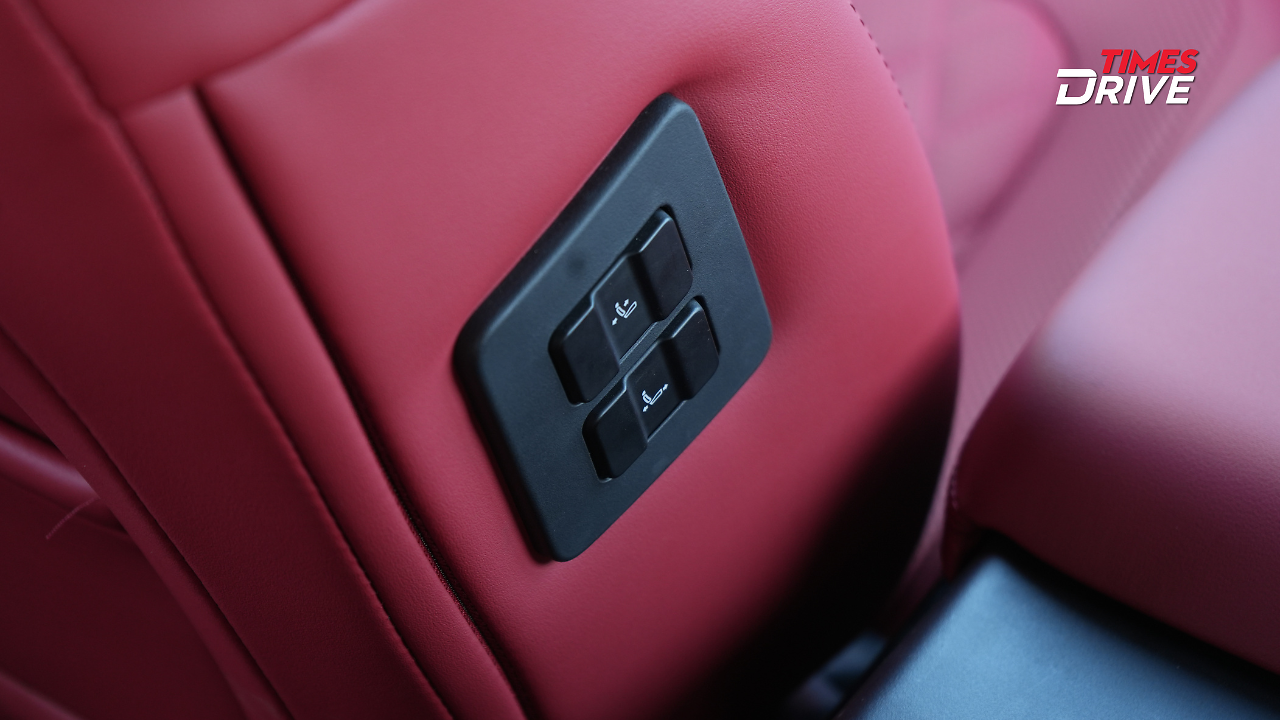
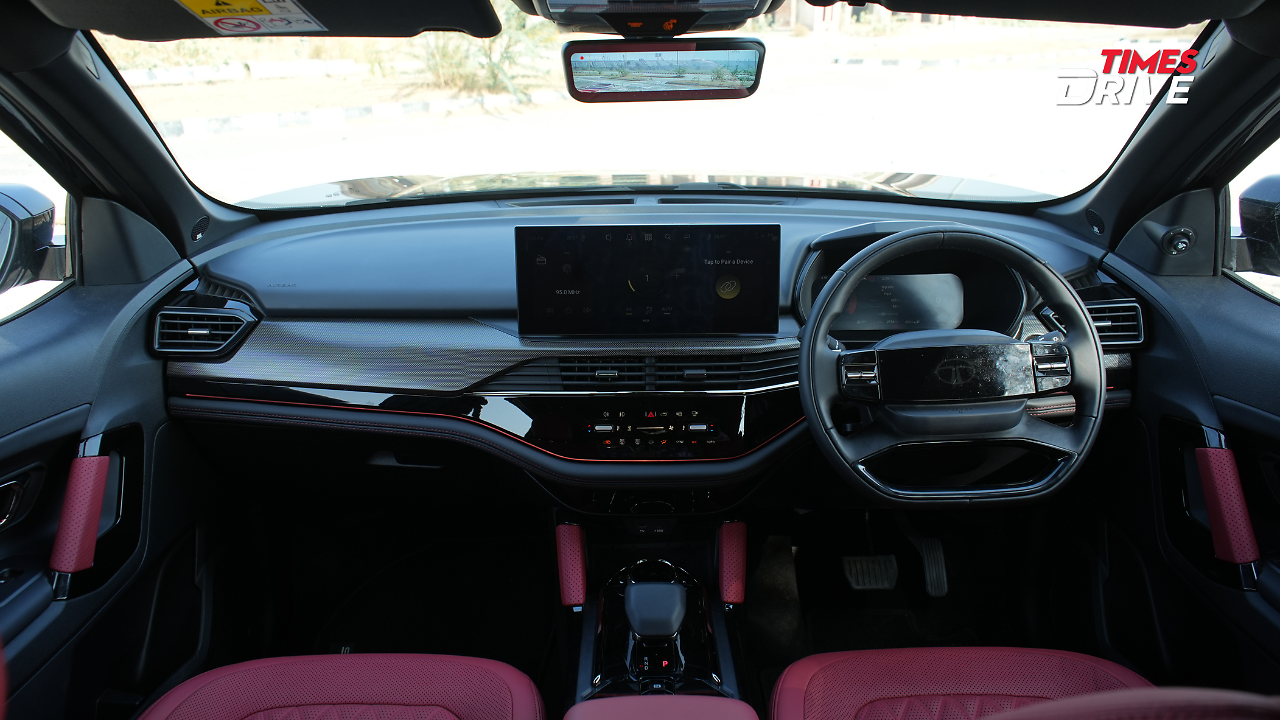
New additions include a front and rear camera with washer jets for better visibility during off-road jaunts or muddy conditions. Inside, the standout is the massive 14.5-inch touchscreen borrowed from the Harrier EV – crisp, responsive, and a big upgrade over the older unit. The Harrier gets a sophisticated brown-and-white dashboard theme, while the Safari Dark Edition goes all-black with red stitching, red accents on seats, and Dark badging on headrests for a moody vibe.
Other petrol-exclusive features (for now – they'll come to diesels later) include a rear-view mirror with integrated camera feed and dashcam recording capability, memory settings for seats linked to ORVM adjustments, a sliding armrest, and JBL audio modes. The Safari adds boss mode for rear passengers to adjust the front seat. However, some ergonomic niggles persist: the steering wheel controls can get in the way during turns, and wireless charging access remains fiddly.
Performance and Driving Experience: Solid, But Not Without Compromises
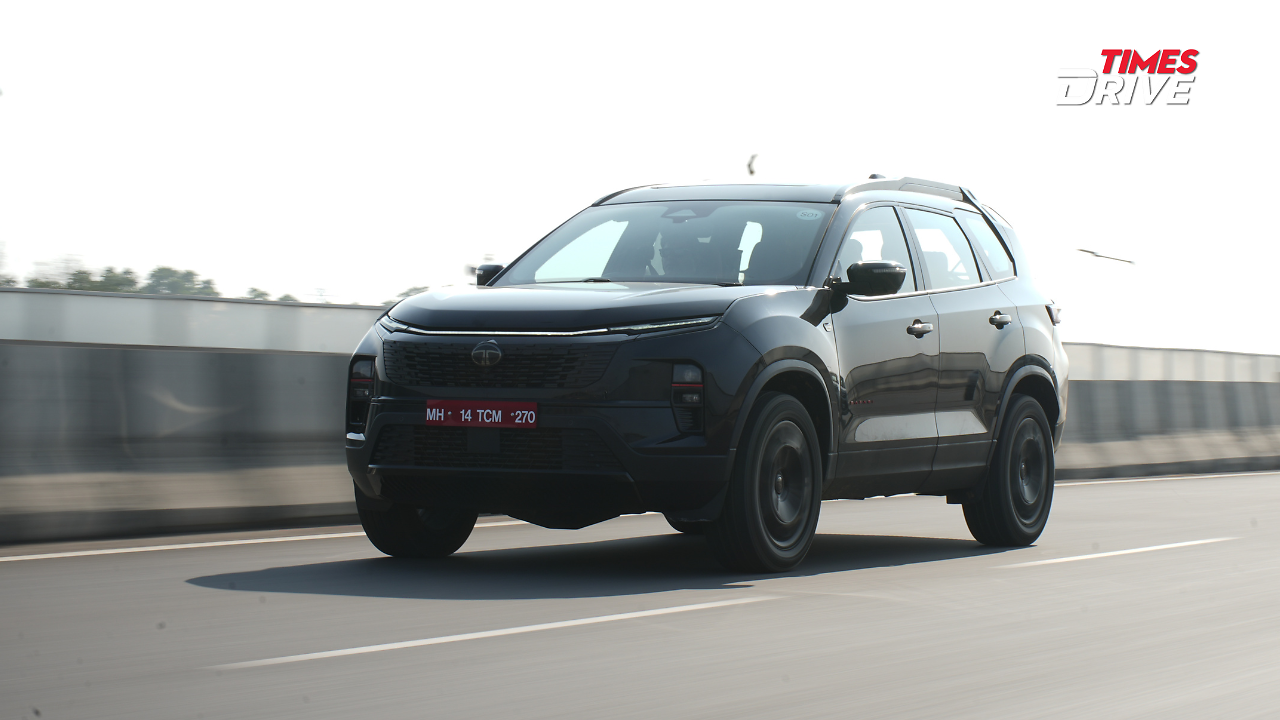
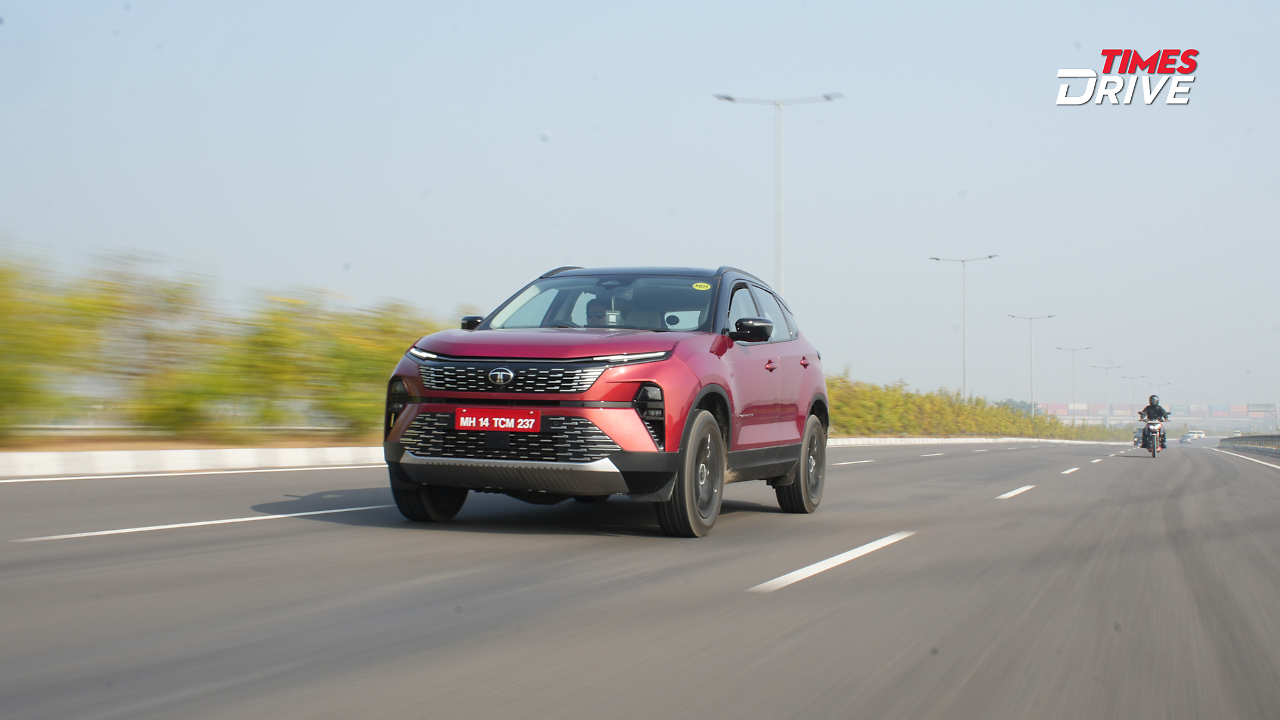
Both SUVs share the 1.5-litre TGDi petrol engine producing 167 bhp and 280 Nm, paired with smooth transmissions. In the Harrier, power delivery feels decent for its size – no lag on highways, effortless triple-digit speeds, and a strong mid-range that makes overtaking reassuring. It's not overly peppy off the line, but refined overall.
The Safari, being longer and heavier with its seven-seat layout, feels a touch less responsive initially. You sense the extra mass in city traffic, but once in the mid-range, it picks up well and cruises comfortably on open roads. Handling shows expected body roll due to the SUV stance – more noticeable in the Safari with its extended rear overhang during corners. Both stick to the road nicely at speed, but suspension tuned for highway stability feels stiff over deep potholes in the city.
Seat comfort is good front and rear. Braking, however, lacks bite and confidence, there's a spongy feel that could use refinement, something we've noted in other recent Tata cars as well.
Verdict: A Promising Petrol Alternative
The new petrol powertrain is refined and capable, making the Harrier the sweeter drive of the two. Tata has added meaningful features to sweeten the deal, positioning these as strong contenders for those avoiding diesel. That said, lingering issues like software glitches in Tata cars, after-sales concerns, and braking feel remind us there's room for polish. If you're after a feature-loaded petrol SUV in this space, these are worth a serious look. The Harrier edges it for sheer driving poise.
Also Read
Log in to post a comment.
End of Article
Trending
Mahindra Thar OG First Drive Review: Can You Drive It Every Day?
2026 Honda Elevate Facelift First Drive Review: Did They Fix It?
Simple Wave Family Electric Scooter First Ride Review: Should You Hold Your Breath?
Ather Konarc First Ride Review: An Electric Scooter With Everyday Solutions
Volvo EX90 Twin Motor First Drive Reviews: Make You Feel Special
2026 BMW X1 Long-Wheelbase First Drive Review: Luxury Meets Bang for Your Buck
MG Majestor First Drive Review: Can It Finally Take On The Toyota Fortuner!
Popular





STAY UPDATED Get the latest news from Times Drive