New Delhi


7 Everyday Habits That Can Damage Your Car’s Paint
Car paint can suffer damage from various environmental factors and improper cleaning habits. Common mistakes include using dishwashing liquid, dirty cloths, and washing in direct sunlight, which can lead to scratches and stains. It's crucial to wash with car-specific shampoos and clean microfiber cloths while avoiding dry wiping and leaving contaminants like bird droppings on the surface. Regular maintenance, including prompt cleaning of pollutants and careful washing techniques, can help preserve your car's paint and prevent long-term damage.

Updated Oct 8, 2026, 12:52 PM IST
7 Everyday Habits That Can Damage Your Car’s Paint
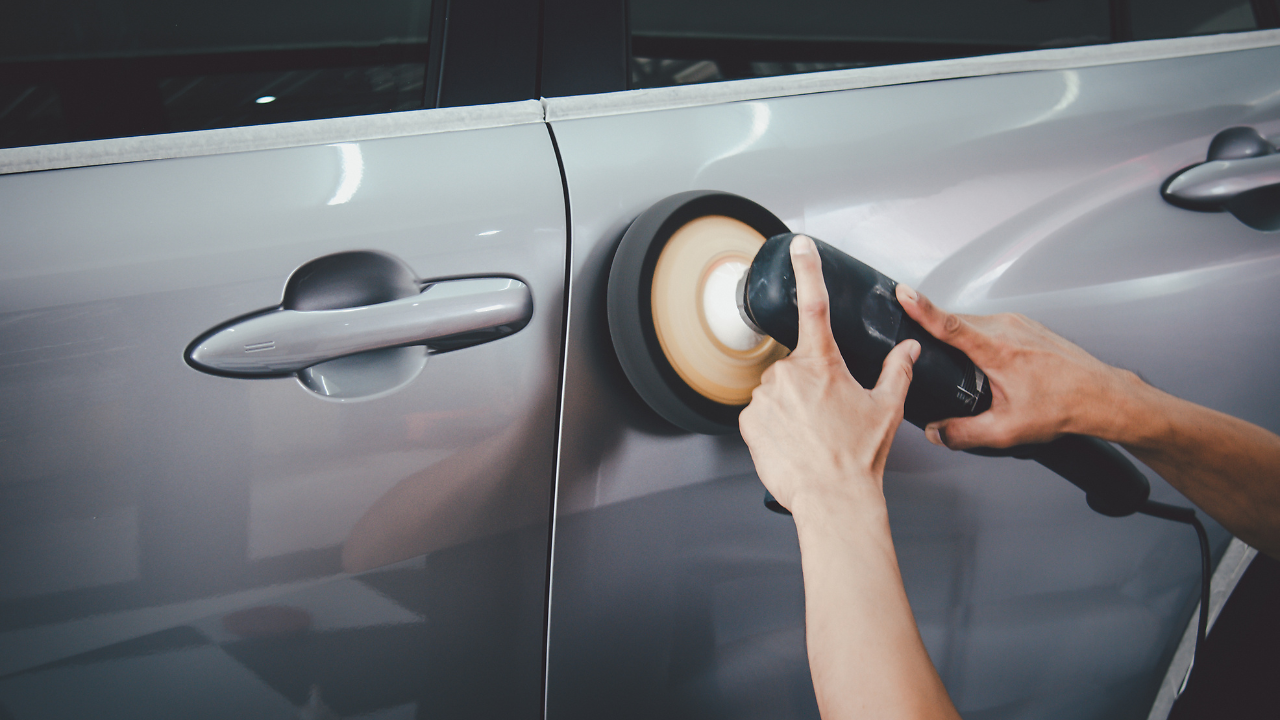
Your car’s paint is constantly exposed to dust, sunlight, rain, pollution and road contaminants. While some paint damage is caused by factors beyond your control, everyday cleaning and parking habits can also accelerate deterioration.
Using the wrong cleaning product, wiping a dusty car or leaving bird droppings on the surface may seem harmless, but repeated exposure can result in scratches, swirl marks, stains and fading.
Here are 7 common mistakes that can damage your car’s paint and how to avoid them.
What Are The 7 Mistakes That Damage Car Paint?
| Mistake | What can happen | Better practice |
| Using dishwashing liquid | Can remove protective layers | Use car shampoo |
| Using a dirty cloth | Can cause scratches and swirl marks | Use clean microfiber cloths |
| Washing in direct sunlight | Can leave water spots and residue | Wash in shade |
| Dry wiping dust | Can create fine scratches | Rinse before wiping |
| Leaving bird droppings | Can cause stains and surface damage | Remove quickly |
| Frequent automatic car washes | Brushes can create swirl marks | Prefer careful hand washing |
| Leaving contaminants on the paint | Can cause staining and make removal difficult | Clean them promptly |
1. Using Dishwashing Liquid To Wash Your Car
One of the most common car-washing mistakes is using dishwashing liquid instead of car shampoo. Dishwashing liquids are formulated to remove grease and food residue. They are not specifically designed for automotive paint and can strip away protective products such as wax.
What Should You Use To Wash A Car?
Use a car-specific, pH-balanced shampoo. It is designed to clean the exterior while being more suitable for automotive paint and protective coatings.
2. Washing Your Car With A Dirty Cloth
A dirty sponge, mitt or cloth can do more harm than good. Dirt and small particles trapped in the cleaning material can be dragged across the paint. Repeatedly doing this can create fine scratches and swirl marks.
How To Avoid Scratching Car Paint:
- Use a clean microfiber wash mitt.
- Keep separate cleaning materials for the wheels and body.
- Rinse the wash mitt frequently.
- Wash microfiber towels after use.
- Do not use a cloth that has picked up visible dirt.
3. Washing The Car In Direct Sunlight
Washing a car under direct sunlight can make it difficult to rinse and dry the surface properly. Water and shampoo can evaporate quickly, leaving behind water spots or soap residue.
What Is The Best Place To Wash A Car?
A shaded area is preferable. The car's exterior should ideally be relatively cool before you begin washing it. Wash one section at a time and rinse the shampoo before it dries on the surface.
4. Dry Wiping A Dusty Car
Trying to clean a dusty car with a dry cloth can cause scratches. Dust and dirt contain particles that can act as abrasives. When a dry cloth is moved across the surface, these particles can be dragged over the paint.
How Should You Clean A Dusty Car?
Follow these steps:
- Rinse the car with water.
- Use a car-specific shampoo.
- Clean the surface with a clean microfiber wash mitt.
- Rinse the vehicle thoroughly.
- Dry it using a clean microfiber drying towel.
5. Leaving Bird Droppings On The Paint
Bird droppings should be removed from your car as soon as possible. They can become harder to remove once they dry, while prolonged exposure can increase the risk of staining or affecting the paint surface.
How Do You Remove Dried Bird Droppings From Car Paint?
Do not scrape them off aggressively, instead:
- Place a damp microfiber cloth over the affected area.
- Allow the residue to soften.
- Gently wipe it away.
- Clean the area with car shampoo if required.
- Dry the surface with a clean microfiber towel.
6. Using Automatic Car Washes Too Frequently
Automatic car washes are convenient, but some systems use brushes that come into contact with many vehicles. Dirt trapped in these brushes can potentially create fine scratches and swirl marks.
Is Hand Washing Better For Car Paint?
A properly performed hand wash can give you greater control over the cleaning process. However, hand washing is not automatically safer. Using a dirty sponge, insufficient water or the wrong cleaning technique can also scratch the paint.
7. Leaving Tree Sap, Insects And Road Contaminants On The Paint
Your car can pick up more than just dust while driving. Tree sap, insects, road tar and other contaminants can stick to the body panels. The longer they remain on the paint, the more difficult they can become to remove.
How Can You Protect Car Paint From Contaminants?
- Remove bird droppings as soon as possible.
- Clean tree sap promptly.
- Do not allow dead insects to remain on the surface for long.
- Avoid scraping contaminants with hard objects.
- Use suitable automotive cleaning products.
- Wash the affected area before attempting to remove stubborn residue.
How Can You Protect Your Car’s Paint?
You do not necessarily need expensive detailing treatments to reduce everyday paint damage. A few basic habits can make a difference.
- Wash regularly: Do not allow dirt and contaminants to build up.
- Use car shampoo: Avoid household detergents.
- Use microfiber materials: Keep them clean and separate from wheel-cleaning equipment.
- Avoid dry wiping: Always rinse dusty surfaces first.
- Park carefully: A covered or shaded parking spot can reduce exposure to sunlight and environmental contaminants.
- Remove bird droppings quickly: Do not leave them on the paint for extended periods.
- Clean contaminants promptly: Deal with tree sap, insects and road grime before they become difficult to remove.
How Often Should You Wash Your Car?
There is no fixed washing interval that applies to every car. The ideal frequency depends on where the car is parked, how often it is driven and the amount of dust, pollution, rain and other contaminants it encounters. If the car is frequently exposed to dust, mud or pollution, it may need to be cleaned more often. The key is to avoid allowing contaminants to remain on the paint for extended periods.
FAQs
What is the biggest mistake when washing a car?
Using dirty cleaning equipment or wiping a dusty surface without first rinsing it can increase the risk of scratches and swirl marks.
Can dishwashing liquid damage car paint?
Frequent use of dishwashing liquid is not recommended for automotive paint. It can remove protective products such as wax. A car-specific shampoo is a better choice.
Can dust scratch car paint?
Yes. Dry-wiping a dusty surface can drag dirt particles across the paint and create fine scratches.
Should you wash your car in direct sunlight?
It is better to wash the car in shade. Direct sunlight can cause water and shampoo to dry quickly, potentially leaving water spots and residue.
Can bird droppings damage car paint?
Yes. Leaving bird droppings on the paint for extended periods can increase the risk of staining and surface damage, particularly in hot conditions.
Are automatic car washes bad for car paint?
Some automatic car washes can contribute to fine scratches and swirl marks, particularly systems that use brushes carrying dirt and debris. A careful hand wash can offer greater control.
What is the best way to maintain car paint?
Use car-specific cleaning products, clean microfiber equipment and proper washing techniques. Avoid dry wiping, remove contaminants quickly and park the car in a covered or shaded area whenever possible.
Log in to post a comment.
End of Article
Trending

5 Most Affordable Cars with Front Parking Sensors You Can Buy in India
Car AC Not Cooling Properly? Here’s What Could Be Wrong
Are You Driving Your Automatic Car Wrong? 5 Habits to Stop
How to Improve Car Mileage: Simple Tips To Get Better Fuel Efficiency

Ex-Showroom vs On-Road Price: What is The Difference and What Do You Actually Pay?
Car Safety Features Explained: From Airbags to ADAS, What Do They Actually Do?
How To Drive An Automatic Car: A Beginner’s Guide
Popular





STAY UPDATED Get the latest news from Times Drive