New Delhi


Bharat Stage (BS) Emission Norms Explained: What They Are and How They Evolved
The Bharat Stage (BS) emission norms are regulations initiated by the Indian government to control vehicle emissions and improve air quality. Beginning with BS-I in 2000, these standards have evolved through multiple stages, each imposing stricter limits on pollutants. BS-VI, introduced in 2020, marked a significant upgrade, aligning with Euro 6 standards and reducing harmful emissions dramatically. The latest, BS-VI Stage 2, enacted in April 2023, emphasizes real-world emissions testing and advanced onboard diagnostics, compelling manufacturers to enhance vehicle technology and efficiency.

Keshav Rajput
Updated Jul 11, 2025, 08:08 AM IST
Bharat Stage (BS) Emission Norms Explained: What They Are and How They Evolved
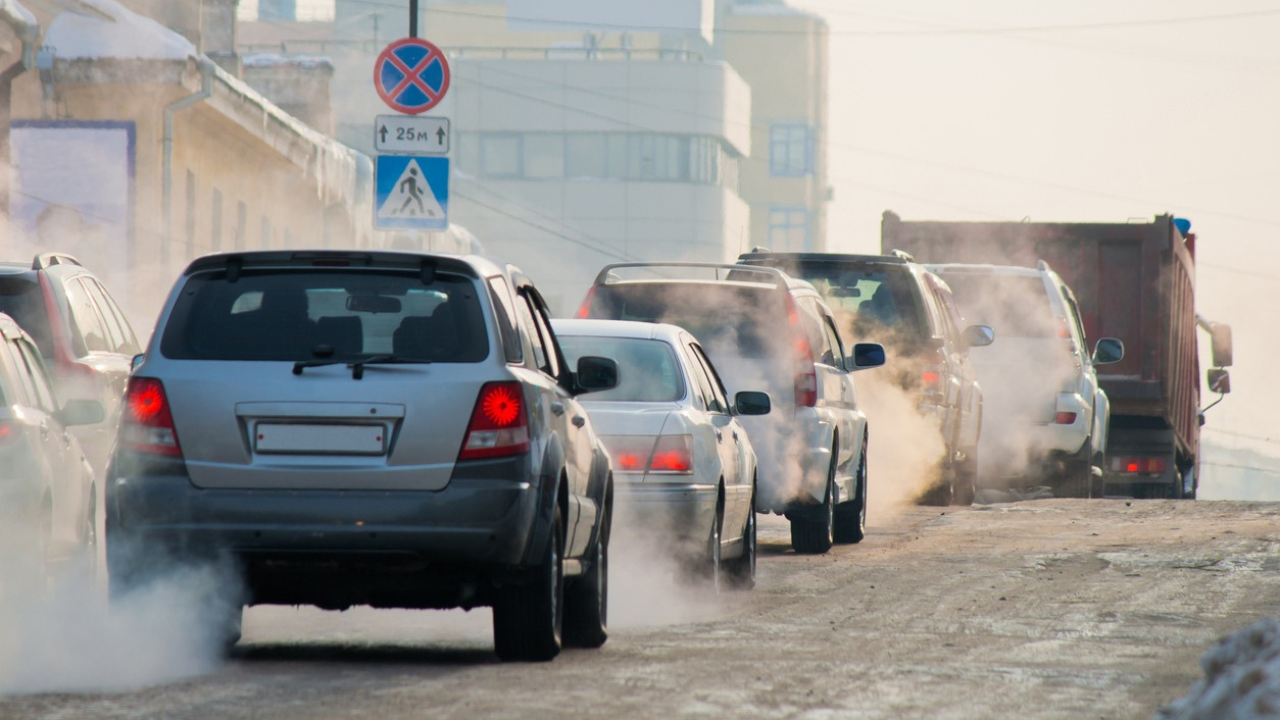
The Bharat Stage (BS) emission norms are regulations set by the Indian government to limit the emission of air pollutants from vehicles. These standards are enforced by the Central Pollution Control Board (CPCB) and are based on the European emission standards. Their main purpose is to reduce harmful emissions like carbon monoxide (CO), hydrocarbons (HC), nitrogen oxides (NOx), and particulate matter (PM) from internal combustion engines. The norms apply to all vehicle categories and become more stringent with each new stage, pushing manufacturers to adopt cleaner technologies and improve fuel quality.

People Also Search
What are the implications of the GRAP Stage-3 and Stage-4 measures on vehicle owners in Delhi NCR?
How does the Delhi government's plan for electric vehicle infrastructure support pollution reduction?
What are the key features of the End-of-Life Vehicle (ELV) Rules 2025 introduced by the government?
What incentives are being proposed for vehicle owners to encourage scrapping older vehicles?
How are enforcement measures being implemented to ensure compliance with emission standards in Delhi?
BS-I (2000)
BS-I was the first emission standard introduced in India in the year 2000. It applied initially to vehicles in select cities. This stage imposed basic limits on pollutants and marked the beginning of regulated vehicular emission control in the country. Though modest in its impact, BS-I laid the groundwork for future norms.BS-II (2001–2005)
BS-II followed in 2001, beginning with metro cities before expanding to other areas. It was equivalent to the Euro 2 standard and introduced tighter emission limits than BS-I. Technologies like catalytic converters became more widely used in petrol vehicles during this phase. Fuel quality was also improved to support the new emission limits.BS-III (2005–2010)
BS-III was launched in 2005 and became nationwide by 2010. Based on Euro 3 standards, this phase required better engine technologies and stricter controls on NOx and HC emissions. It also called for lower sulphur content in fuel, which helped reduce the overall emissions from both petrol and diesel vehicles.BS-IV (2010–2017)
BS-IV norms came into effect in 2010 in major cities and were implemented nationwide by April 2017. They were aligned with Euro 4 standards and imposed tougher restrictions, especially on nitrogen oxides and particulate matter. Diesel vehicles faced stricter checks, and fuel had to meet a 50 ppm sulphur content requirement. Engine designs also had to be improved to meet these limits.BS-VI (2020 onwards)
In 2016, India decided to skip BS-V and move directly to BS-VI by 2020 to align with global practices. This required a shift in fuel supply and vehicle technology. BS-VI norms are similar to Euro 6 standards and introduced a major leap in emission control. Diesel vehicles were required to reduce particulate matter by over 80%, and NOx emissions were also significantly lowered. This stage brought in new technologies such as Diesel Particulate Filters (DPF), Selective Catalytic Reduction (SCR), and Onboard Diagnostics (OBD). The fuel also had to be cleaner, with sulphur content limited to just 10 ppm.
BS-VI Stage 2 (BS6.2) – April 2023
BS-VI Stage 2, also referred to as BS6 Phase 2 or RDE (Real Driving Emissions) norms, came into effect in April 2023. While BS-VI Stage 1 tested emissions in lab settings, BS6.2 introduced real-world driving tests to measure pollutants like NOx and PM under actual road conditions. This was done using Portable Emissions Measurement Systems (PEMS).
Under BS6 phase 2, all vehicles are required to comply with emission limits not only during lab tests but also during real driving scenarios. In addition to this, onboard diagnostics (OBD) systems became more advanced they now monitor emission performance more closely and alert users about any failures in real-time. BS6 phase 2 also enforced tighter evaporative emission controls, especially for petrol vehicles and further pushed manufacturers to improve engine calibration and efficiency.



Log in to post a comment.
End of Article
Trending

EV Diwali 2026: 5 Most Affordable Electric Cars You Can Buy in India

5 Most Affordable Hybrid Cars You Can Buy in India This Diwali

5 Most Affordable Cars with Sunroofs to Buy This Diwali

Which Are the Best Bikes Under Rs 1 Lakh
Which Are the Most Affordable Superbikes in India

New Car Delivery Checklist: How to Do a Pre-Delivery Inspection (PDI) Step by Step
Car Dashboard Warning Lights: What Each Symbol Means and What to Do
Popular





STAY UPDATED Get the latest news from Times Drive