New Delhi


2026 TVS iQube 2.3kWh Launched in India at Rs 1.16 Lakh
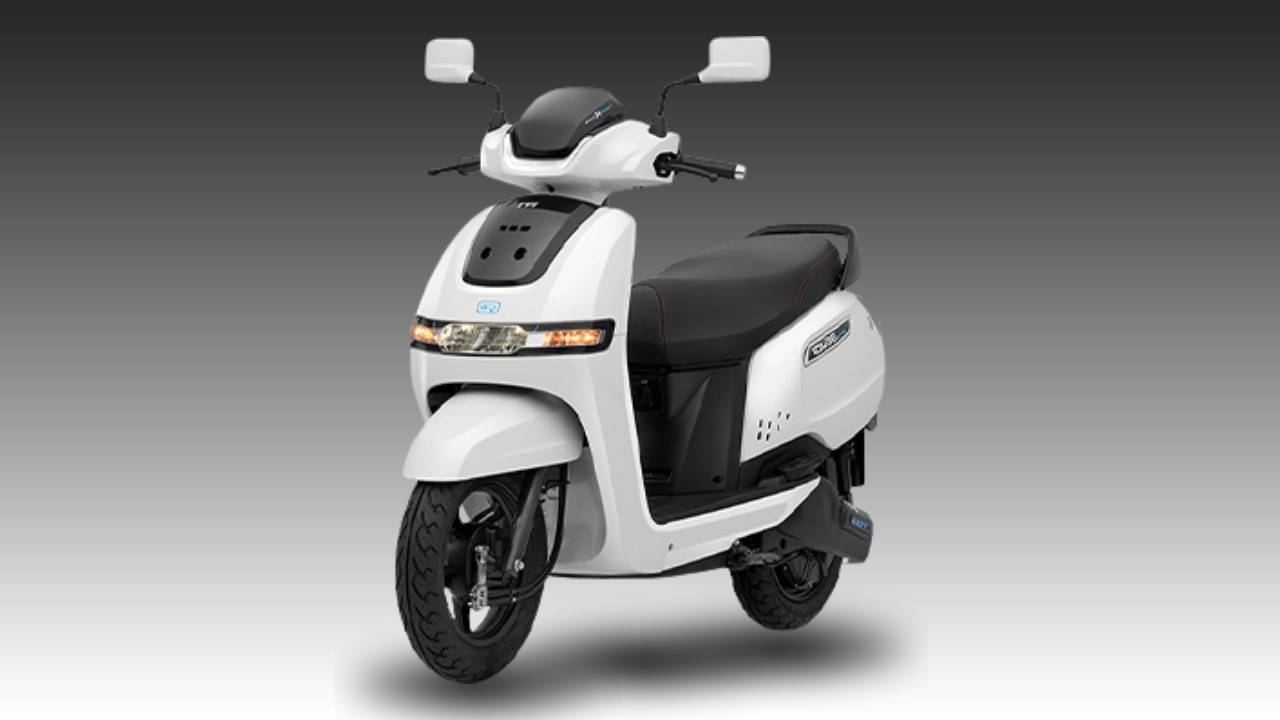
TVS Motor Company has launched the updated iQube 2.3kWh variant, priced at Rs 1.16 lakh. This model features a larger battery, increasing the claimed range to 114km, a 20km improvement over the previous 2.2kWh version.

Atul Bandhu
Updated Aug 26, 2026, 05:06 PM IST
2026 TVS iQube 2.3kWh Launched in India at Rs 1.16 Lakh
The 2026 TVS iQube 2.3kWh gets a claimed IDC range of 114km, which is 20km more than the outgoing 2.2kWh variant. However, the additional range comes with a few compromises, including a lower top speed, slower acceleration, drum brakes and an LCD instrument cluster in place of the earlier TFT unit.
TVS iQube 2.3kWh: Design
There are no major changes to the overall design of the iQube with the introduction of the new 2.3kWh variant. The scooter continues with the familiar styling of the current iQube range, with its practical proportions and commuter-focused design. The major changes are under the skin and in the equipment list, with TVS positioning this version as the entry point to the iQube family.
TVS iQube 2.3kWh: Battery & Range
The biggest update is the new 2.3kWh battery pack, which replaces the 2.2kWh unit used by the previous base variant. Despite the battery capacity increasing by only 0.1kWh, the claimed IDC range has risen from 94km to 114km. This 20km increase should make the new base iQube more useful for daily city commuting and reduce the need for frequent charging.
TVS iQube 2.3kWh: Powertrain & Charging
The new iQube 2.3kWh continues with a 3.68kW electric motor. It has a claimed peak torque output of 140Nm. However, performance has taken a slight hit compared with the outgoing model. The new variant has a top speed of 68kmph, down from 75kmph previously. The 0-40kmph acceleration time has also increased from 4.2 seconds to 4.7 seconds.
For buyers using the iQube primarily within the city, the lower performance is unlikely to be a major concern. The focus of this version is clearly on everyday usability and range rather than outright performance.
Charging the battery from 0-80 percent takes 2 hours and 50 minutes using the standard 950W charger. This is five minutes longer than the outgoing 2.2kWh version.
TVS iQube 2.3kWh: Features
The new base-spec iQube gets a 5-inch LCD instrument cluster instead of the TFT display offered with the earlier 2.2kWh variant. Despite the simpler display, TVS has retained several connected features. The LCD console supports Bluetooth connectivity, turn-by-turn navigation and call/SMS alerts. The scooter also gets features such as reverse mode, over-the-air (OTA) software updates and geofencing.
TVS iQube 2.3kWh: Suspension & Brakes
The new iQube 2.3kWh gets a simpler braking setup compared with its predecessor. The scooter now uses drum brakes at both ends, while the outgoing 2.2kWh variant featured a front disc brake. The change to drum brakes, along with the simpler LCD console, appears to be part of comapny strategy to keep the entry-level version competitively positioned while adding more range. The suspension setup continues with a telescopic fork at the front and twin shock absorbers at the rear.
Log in to post a comment.
End of Article
Trending

Maruti Suzuki Brezza Crosses 15 Lakh Sales Milestone in India
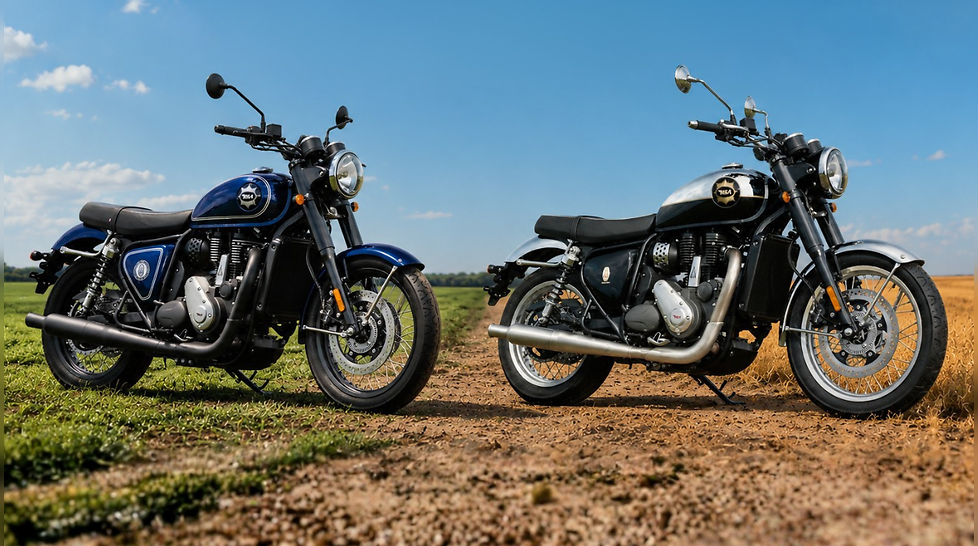
BSA Gold Star 650 Gets Two New British Heritage-Inspired Colour Options in India
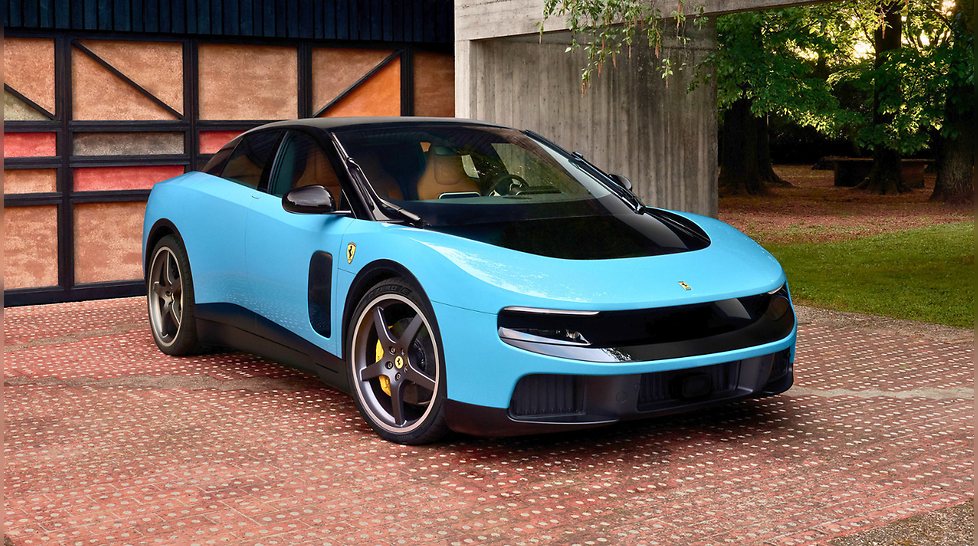
Ferrari Luce EV to Debut in India on October 17 with 1,050PS Power and 530 km Range

Mahindra XUV 3XO CNG Launched in India: Top 5 Highlights
Mahindra XUV 3XO CNG Launched at Rs 9.99 Lakh with Dual-Cylinder Technology

New Audi Q3 India Launch Tomorrow: Here's What to Expect
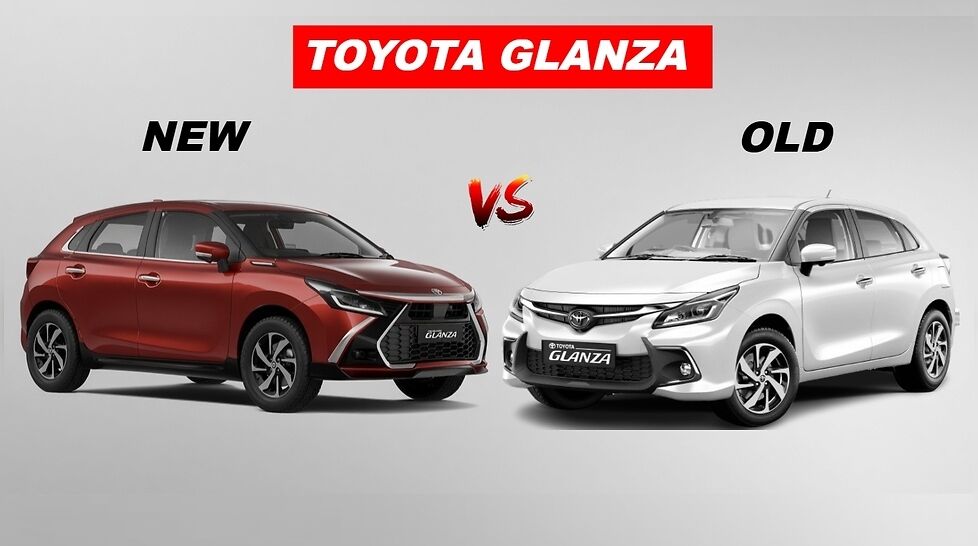
Toyota Glanza Facelift Variants Explained: What Does Each Variant Offer?
Popular

STAY UPDATED Get the latest news from Times Drive